Jerusalem Business Owners Fight Major Talpiot Regeneration Project
Hundreds of Jerusalem business owners in Talpiot are fighting a massive 1,366-unit tower regeneration project, warning of forced eviction and a dangerous municipal precedent.

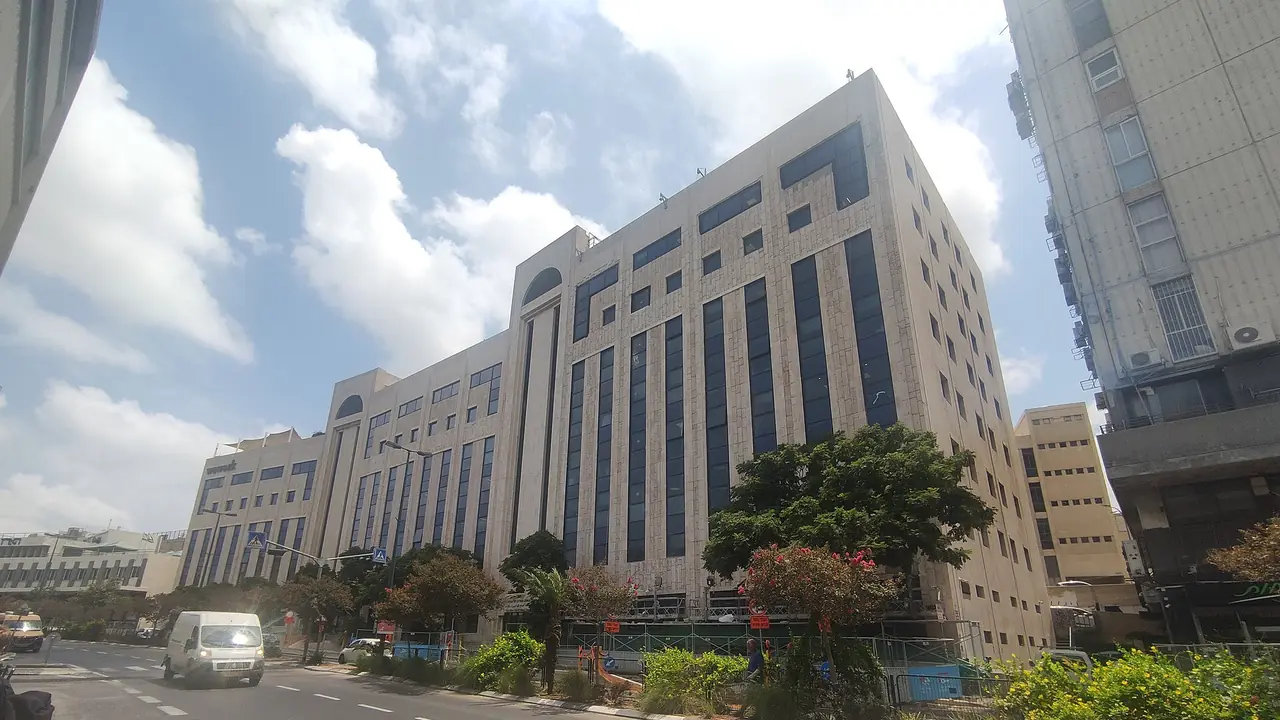
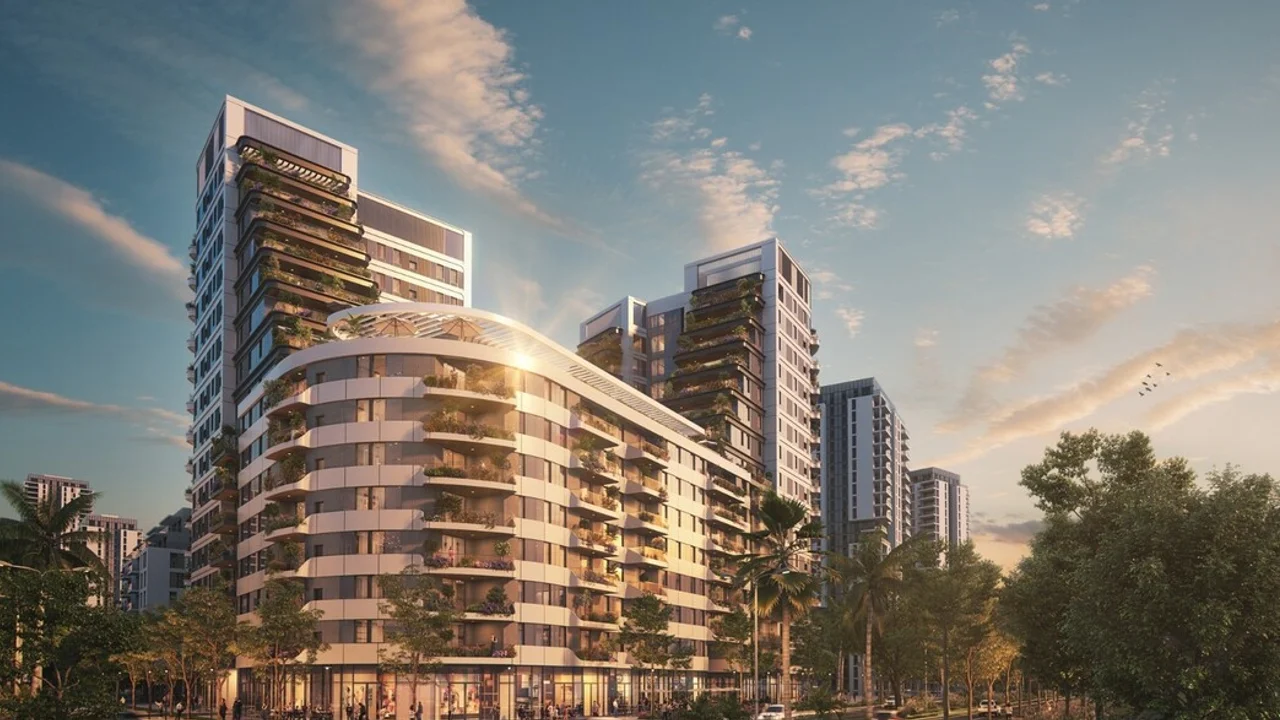
Hundreds of business owners in Jerusalem's Talpiot industrial zone are locked in a fierce dispute over the large-scale "Talpiot SKY" urban regeneration project, warning it threatens their livelihoods and operational continuity. The Jerusalem District Planning and Building Committee is reviewing the ambitious master plan, which spans a 29-dunam site between Yad Harutzim and Pierre Koenig streets and envisions the demolition of three aging buildings to construct four 50-story residential towers with 1,366 apartments, alongside a 40-story commercial and employment tower.
Displaced Business Owners Facing Eviction Again
The target site currently houses roughly 200 operational enterprises, including auto repair shops, carpentry workshops, print houses, and hardware stores, encompassing 253 commercial units held by various property owners. For many merchants, the looming eviction marks a devastating second displacement. Decades ago, these business owners were uprooted from Jerusalem's Mamilla district during the high-end development led by Alfred Akirov and relocated to Talpiot, where they painstakingly rebuilt their enterprises. Now, they face another round of forced removal without guaranteed terms for business continuity or a right of return upon project completion.
Property representatives point out that tenants and owners are already experiencing operational fallout, with renters leaving and investors freezing capital due to the planning uncertainty. The developer spearheading the initiative is "Al Gagot Talpiot Ltd.", a company established in October 2018 which acquired the rooftop rights across the three buildings for approximately 45 million shekels from Economy Jerusalem in July 2019. Property owners assert they never selected the firm or granted consent for the initiative, noting that the developer lacked the mandatory statutory majority among property owners.
Controversy Over Municipal Sponsorship and Legal Precedent
When the private developer failed to secure the necessary ownership consent, the Jerusalem Local Planning and Building Committee stepped in and joined as an official co-filer of the plan in September 2025. On September 15, 2025, building committees across the three structures formally petitioned Jerusalem Mayor Moshe Lion and City Engineer Yoal Even through attorney Zvi Oded of Herzog Fox & Neeman law firm, demanding that the municipality withdraw its sponsorship. Property representatives warn that this maneuver sets a dangerous legal precedent.
"If this passes, any developer who fails to convince property owners will know they can bypass them through the municipality. This is a dangerous precedent for every property owner in Israel."
Property owners argue that the local committee's intervention subverts property laws requiring owner majorities for shared buildings. Despite objections and requests for the district committee to halt proceedings under Section 28 of the Planning and Building Law, the statutory process has continued to advance toward deposit.
Valuation Disparities and Developer Profit Projections
Economic evaluations submitted by the opposing sides reveal a massive 674 million shekel gap in projected developer profits. A feasibility study conducted by Shaul Rosenberg & Co. for the developer in August 2025 estimated a developer profit of roughly 614 million shekels, representing a 16.4% return on costs. Conversely, an independent appraisal prepared by Israel Yaakov for the property owners' representation in June 2026 calculated the projected profit at approximately 1.29 billion shekels, yielding a 35.6% return.
Property owners argue that the higher return proves that compensation terms can be significantly improved, suggesting a residential exchange multiplier of 1.1 square meters for every existing square meter instead of the offered 0.8 ratio, while maintaining a healthy 19.7% developer return. Furthermore, owners criticize the lack of detailed allocation and balancing tables, claiming that the project's designated appraiser never met with them to assess the unique commercial attributes of their properties.
Official Responses from Municipal and Planning Authorities
Defending the initiative, the Jerusalem Municipality issued an official statement emphasizing the strategic importance of modernizing the Talpiot employment zone in alignment with municipal master planning and light rail accessibility:
"The Jerusalem Municipality views urban regeneration in the Talpiot employment zone as highly significant, in line with municipal planning policy and the area's master plan. The municipal committee's joining as a plan applicant stems from professional planning vision and does not constitute taking a side in private property disputes."
Meanwhile, the Jerusalem District Planning and Building Committee highlighted the public benefits embedded in the blueprint:
"The 'Talpiot SKY' project is a pioneering development in the renewing Talpiot quarter, offering significant public contributions including a new school complex, wide public plazas, and a cultural and sports center adjacent to the light rail. The plan ensures the rights of all owners and equitable allocation, as customary in consolidation and division schemes."
As the statutory review moves forward, property representatives continue to demand a competitive, transparent developer tender process and a genuine seat at the planning table before irreversible zoning realities are solidified.