Forensic Expert Claims New Autopsy Review Proves Jeffrey Epstein Was Murdered
Seven years after Jeffrey Epstein's death in a New York cell, a forensic expert's re-examination of autopsy photos suggests he was strangled rather than hanged.
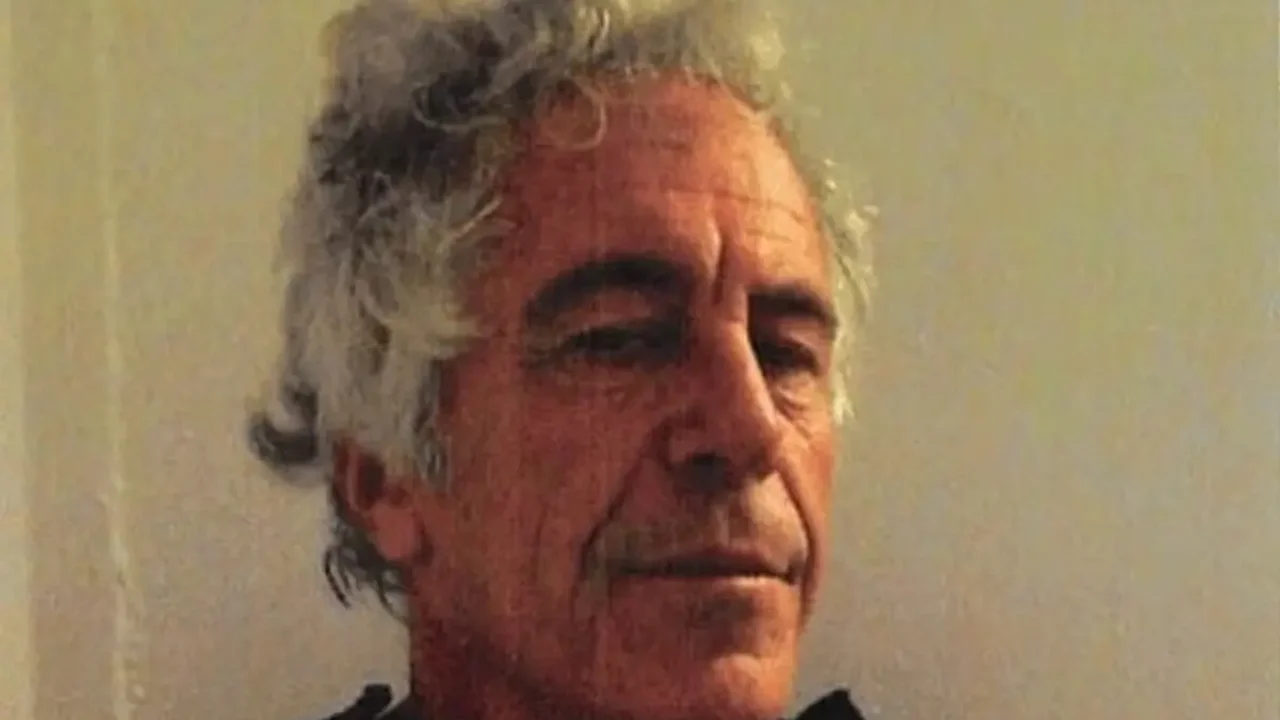
Seven years after the death of convicted sex offender Jeffrey Epstein in a New York detention cell, fresh forensic findings have reignited intense controversy regarding the official circumstances of his demise. Dr. Michael Baden, a prominent American forensic expert, presented an extensive re-evaluation of autopsy photographs and previously unreleased records, asserting that the physical trauma identified on Epstein's neck and body points decisively toward strangulation rather than suicide.
Forensic Analysis and Neck Injuries
Dr. Baden conducted a detailed months-long review of the autopsy file provided by Mark Epstein, the brother of the deceased. Presenting his findings in London alongside Professor Anders Eriksson from Umea University in Sweden and Dr. Itiel Dror, an expert in cognitive bias within forensic analysis, Baden emphasized that the documented lesions diverge sharply from classic hanging patterns. According to the analysis, the primary ligature mark identified in the initial medical examiner's report fails to account for a secondary, lower mark positioned at a divergent angle.
"The injuries documented by the medical examiner are simply inconsistent with death by suicidal hanging, while trauma attributable to a physical struggle or potential assault was systematically ignored," Baden stated.
Furthermore, biomechanical modeling based on accounts from correctional officer Michael Thomas and autopsy photographs demonstrated that deep muscle hemorrhaging in the left shoulder and abrasions across the face and torso cannot be explained by hanging alone. The investigation suggests that a narrow strip of prison bedding fabric with a double knot may have been utilized to apply horizontal pressure from behind, leaving irregular marks unrecorded by the original examination.
Institutional Failures and Official Stance
Beyond the medical evidence, the review highlighted a succession of institutional shortcomings surrounding the investigation. Reports indicate that Epstein's body was removed from the cell within minutes of discovery, compromising the forensic integrity of the scene. Moreover, most security cameras in the immediate tier malfunctioned, and correctional officers on duty failed to speak with medical examiner investigators while facing later accusations of falsifying logbooks.
Despite these mounting outside challenges, authorities maintain their initial determinations. The New York City Office of Chief Medical Examiner declined to alter its official ruling, standing firmly by the 2019 conclusion that Epstein took his own life. While independent pathologists emphasize that forensic interpretations can vary without yielding a definitive consensus, the ongoing debate continues to cast a long shadow over the accountability of federal detention facilities.