Israel and the USA are cutting off Hezbollah's economic oxygen pipe
Israel, the USA, and Lebanon are working to dry up Hezbollah's funding sources and block money from Iran. Attacks against banks and money changers, the blocking of smuggling routes, and pressure on the financial system in Lebanon are already pushing the organization into a severe economic crisis.
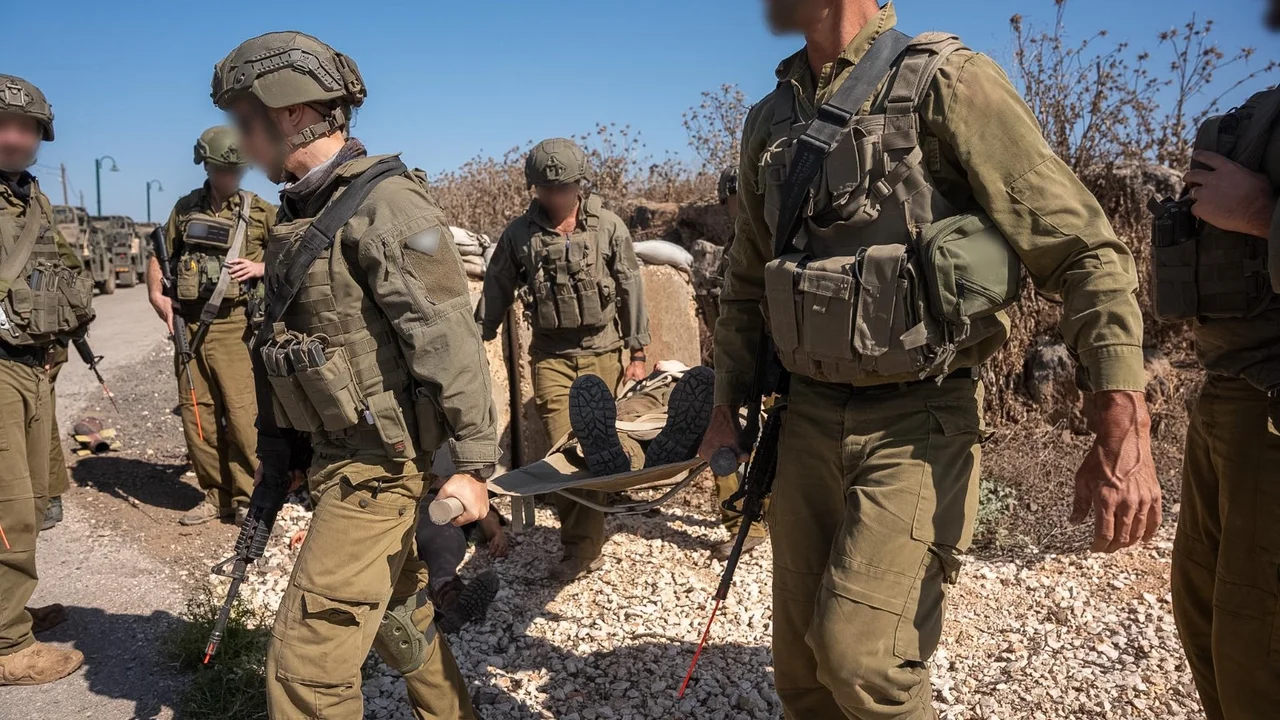
When the IDF launched the current campaign against Hezbollah last March, the first targets were not weapons depots, missile launchers, or underground bunkers, but bank branches. Israeli fighter jets destroyed over ten branches of 'Al-Qard al-Hassan', the dubious financial institution that effectively serves as the central bank for the terrorist organization in Lebanon. Additional strikes were precisely aimed at money changers through which Iran funneled vast capital to Hezbollah, as well as at gas stations that generated ongoing revenue for the organization. The Israeli message was sharp, clear, and unprecedented: not only is the military arsenal in the crosshairs, but the wallet as well.
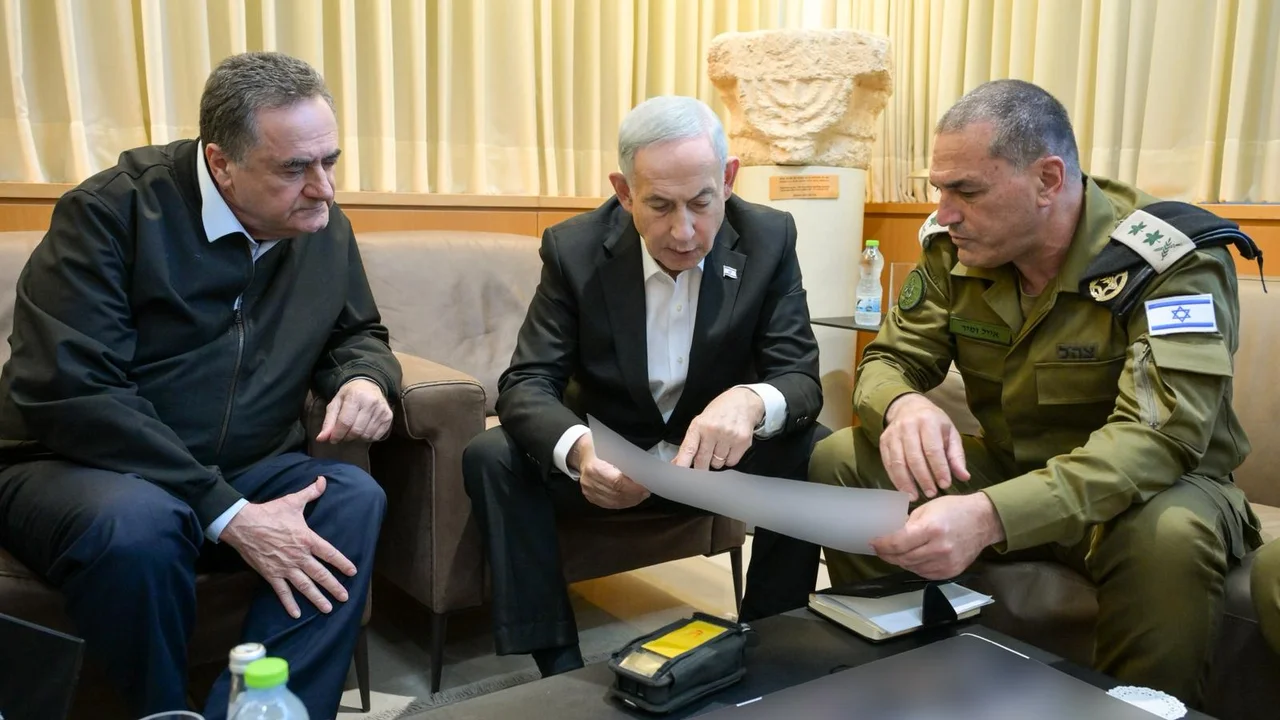
A comprehensive investigation published in the 'New York Times' reveals that these bombings were the culmination of an aggressive campaign, managed jointly by Israel, the Donald Trump administration in the USA, and the Lebanese government itself. The shared goal is clear: to strangle Hezbollah economically and completely disrupt its funding routes, with an emphasis on funds arriving from its patrons in Tehran. This economic pressure, according to the investigation, is pushing Hezbollah into the most severe financial crisis the organization has experienced in many years.
The critical point in the secret economic campaign was recorded at the end of 2024. Following the ceasefire mediated by the Americans, the regime of Bashar al-Assad in Syria collapsed, a dramatic event that left Hezbollah more isolated than ever and cut off the main land smuggling route from Iran in one fell swoop. In a desperate attempt to bypass the obstacle, Iran began sending Hezbollah suitcases loaded with US dollars on civilian flights that landed at the international airport in Beirut, sometimes via Iranian diplomats. However, a sharp Israeli warning conveyed to the leadership in Lebanon through the Americans led to the suspension of all flights from Iran, an unprecedented step that remains in effect even today. At the same time, security personnel on behalf of Hezbollah who controlled activities at the airport were removed from their positions.
The second front opened directly inside the central bank of Lebanon, an institution that until recently operated with almost no oversight. Under heavy pressure from the Trump administration, a new governor was appointed to the bank, Karim Said, who hurried to purge the ranks of senior officials identified with Hezbollah, and even ordered strict scans to locate listening devices in his office. The new governor launched an in-depth investigation against the largest money-changing networks in the country, which were used by Hezbollah for money laundering under the cover of the Lebanese economy, which is based mostly on cash. In response, the terrorist organization was forced to rely on pirate money-changing networks and the 'Hawala' system to transfer funds through bypass routes via the UAE, Turkey, and Iraq.
Documentation of the Israeli strike in southern Lebanon in response to agreement violations by Hezbollah (Photo: Arab networks).
According to the 'New York Times', the economic blow is clearly visible on the ground in Lebanon. Hezbollah's vast welfare system, which maintained its Shiite support base for decades through hospitals and allowances, is now collapsing under the burden. Hezbollah spokesperson, Yousef al-Zein, admitted that the organization was forced to freeze compensation payments promised to supporters whose homes were destroyed, due to the burning need to prioritize military expenditures. In a desperate effort to raise quick cash, Hezbollah even turned to selling its gold reserves through shell companies it established, this after a significant portion of its foreign currency reserves were completely destroyed in Air Force strikes. The terrorist organization is discovering these days that the war over the treasury is just as painful and lethal as the war on the front.