Israeli Teenagers Struggle to Return to Academic Routine Amid Ongoing Conflict
Israeli teenagers navigating school life amid ongoing conflicts and the aftermath of the pandemic face severe academic gaps, lingering anxiety, and long psychological support wait times.
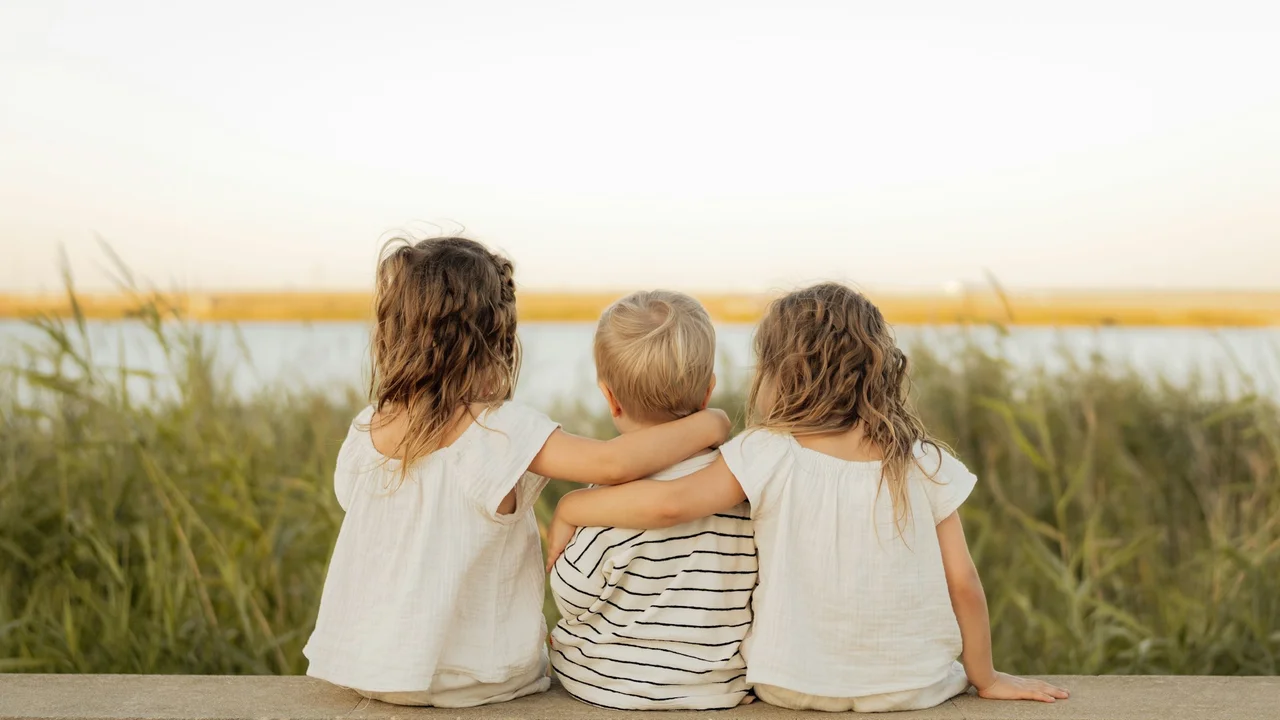
For many Israeli teenagers, returning to school after periods of conflict and crisis does not mean returning to a normal routine. Years disrupted by the COVID-19 pandemic followed by ongoing security escalations have left students grappling with academic gaps, emotional fatigue, and lingering uncertainty about whether their classes and matriculation exams will proceed as scheduled.
The Weight of Unpredictability
Michal Dauber, a 17-and-a-half-year-old student at the Democratic High School in Kiryat Ono, recalls how many of her classmates failed to show up on the first day classes resumed following a ceasefire in the conflict with Iran. Days later, absenteeism remained high. Having been in the fifth grade when the pandemic struck, Dauber is all too familiar with the struggle of catching up after sudden disruptions.
"In those days, I felt like I was thrown into deep water," she says. While remote learning kept some academic momentum alive, she emphasizes that studying from home is far from a vacation. The persistent anxiety regarding external events makes focusing on grades and coursework an uphill battle.
This sentiment is echoed by 17-year-old Neshama Somekh, a 12th-grade student at the Ulpanat Hadar Ganim in Petah Tikva. Preparing for matriculation exams while knowing they might be cancelled at any moment creates a pervasive sense of pressure. That stress does not vanish when the school bell rings; it follows students into their afternoon activities and social circles.
Coping Mechanisms and Isolation
For Yuval Rom, a 17-year-old from Kibbutz Dalia who studies at the Megiddo Regional High School, the pandemic hit just as he was transitioning to middle school. The resulting isolation caused him to withdraw at times. When the October 7 attacks occurred, he spent days glued to his screen, later witnessing firsthand the displacement of families evacuated from the northern and southern borders.
While teenagers often turn to peers for support, communication styles vary. Dauber and Somekh describe their friends as primary safety nets where they can share concerns and process hardships. Rom, however, notes that conversations among his peers rarely touch on personal emotional states.
"We talk about the situation, but never about how we feel about the situation, because we were never taught how," Rom explains, adding that adults should view teenage anger not as bad behavior, but as a direct expression of distress.
Seeking Professional and Systemic Support
Accessing professional mental health support remains a significant hurdle. Somekh sought psychological care but encountered long waiting lists, highlighting a gap in the system. She believes that every member of an educational staff should be trained to recognize and handle mental health needs in times of crisis.
Uri Davidi, an educational psychologist and founder and CEO of the Merhav Center, points out that students often carry invisible burdens into the classroom. A child may sit quietly at a desk while worrying about a parent serving in military reserves or dealing with family friction at night. With educators frequently exhausted and overburdened, recognizing these hidden struggles is increasingly difficult.
To bridge this gap, Davidi's organization builds workshops in schools where students engage in practical, hands-on tasks. When challenges arise during these activities, students learn how to ask for peer assistance, try again, and reevaluate their approach.
Student-Led Initiatives and Demands for Change
Teenagers themselves are stepping up to foster support systems. Somekh points to "BeYachad," an initiative by the National Student and Youth Council in collaboration with the Education Ministry, where student representatives lead classroom discussions on mental health, peer support, and knowing when to ask for help.
Ultimately, students agree that adults need to listen more closely to their needs before imposing rigid academic schedules. Dauber suggests dedicating time upon returning to school for adjustment and dialogue rather than immediately diving into a barrage of exams. As Rom concludes, the most effective path forward is simple: listening to what the youth have to say and giving them the tools to help themselves.