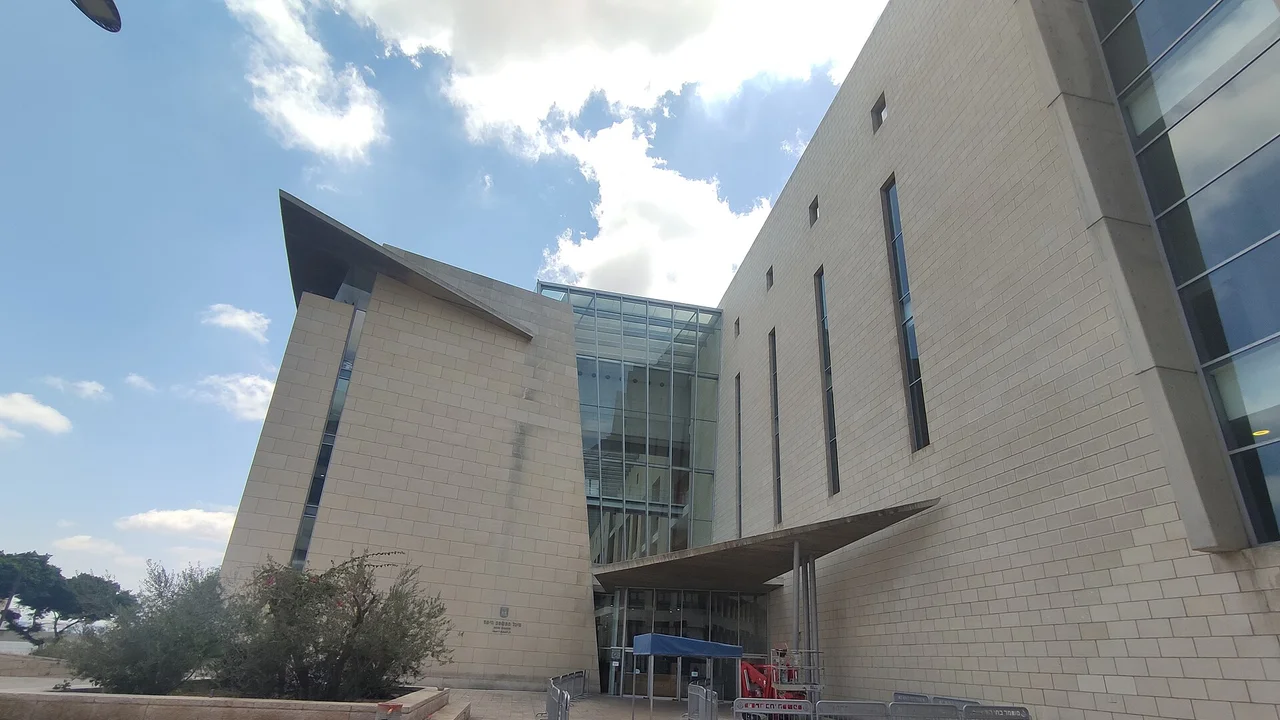
Ben Gurion Airport Access Road to Close Overnight for Essential Maintenance
Route 40 leading to Ben Gurion Airport will close overnight for roadwork, restricting main gate access while Highway 1 remains open. The closure coincides with recent rail expansions and ongoing automated traffic enforcement at the airport.
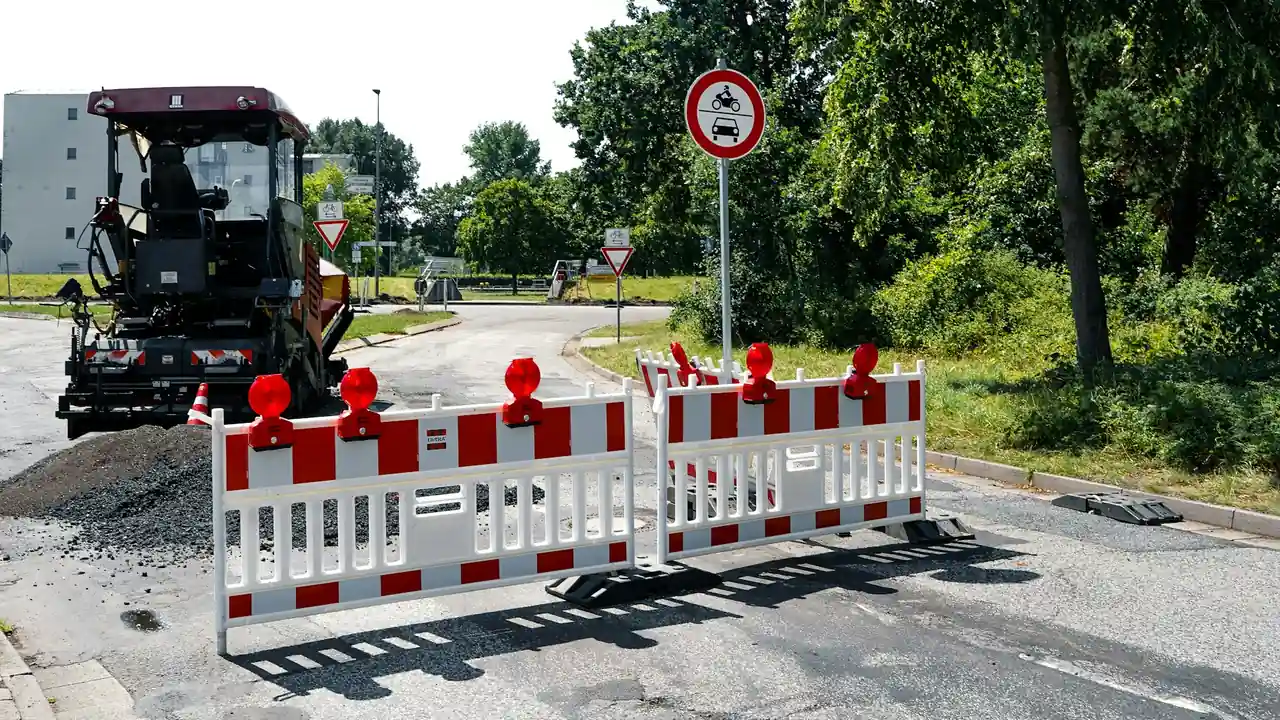
Infrastructure upgrades across Israel continue to expand transit options for travelers, though a key access route to the nation's main international airport will experience temporary closures tonight. Route 40 will be fully closed in the section between El Al Junction and Lod Interchange to accommodate essential roadwork.
The nighttime closures are scheduled to begin at 22:00 and remain in effect until 05:00 the following morning. Throughout this timeframe, entry to Ben Gurion Airport from the direction of Lod and Jerusalem via the main Route 40 gate will be blocked to all traffic.
Alternative Access and Rail Upgrades
Drivers heading to the airport are advised that the primary entrance via Highway 1 will remain open during the roadworks. Motorists are urged to utilize navigation applications and allow extra travel time to avoid missing their flights.
These temporary disruptions coincide with recent sweeping enhancements to the national rail network implemented by the Ministry of Transport and Israel Railways. The upgraded schedule extends the direct Jerusalem-Tel Aviv-Herzliya rail line further north, allowing passengers from Hadera West, Netanya, and Beit Yehoshua to travel directly to Ben Gurion Airport and Jerusalem without requiring a transfer.
Automated Enforcement at the Terminal
Travelers driving to the airport are also reminded of strict parking regulations enforced by automated camera systems introduced in August 2024. The technology documents unauthorized stopping and parking outside the terminal without requiring the physical presence of an inspector.
Recent enforcement figures indicate that an average of 4,000 tickets are issued monthly to drivers stopping in prohibited zones at the airport, totaling roughly 2 million shekels per month. On an annual basis, this enforcement rate amounts to approximately 48,000 citations and 24 million shekels in fines.