Israeli Supermarkets Shift Models as Rami Levy Cuts 700 Cashier Positions
Israeli retail chains are expanding private labels and deploying smart carts, with Rami Levy cutting 700 cashier roles, as IBI highlights shifting supplier dynamics.
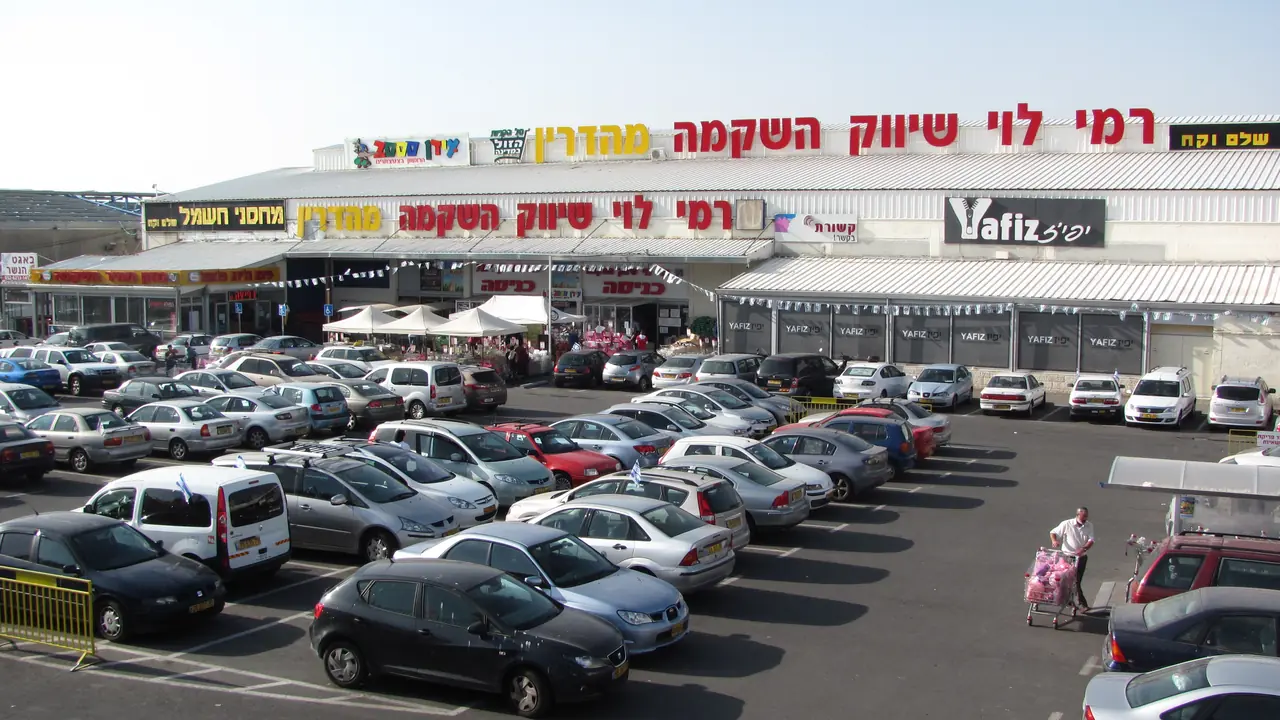
Major Israeli supermarket chains are transforming their operational models to navigate high living costs, intense market competition, and rising operating expenses. Retailers are systematically expanding import activities, strengthening private-label offerings, and deploying advanced technologies to trim operational costs and boost profitability.
In a market review published by IBI Investment House, retail analyst Yuval Gur Aryeh noted that the balance of power between supermarket chains and suppliers is shifting in favor of the retailers. According to Aaron Institute data for 2023, consumer food prices in Israel are 27% higher compared to five European nations, including the Netherlands, Denmark, and Sweden. Analysts emphasize that this price gap stems primarily from structural barriers rather than excessive retail profit margins, pointing to regulatory burdens, customs tariffs, kashrut certification costs, and Israel's 18% value-added tax rate compared to an average of roughly 8% across comparable OECD economies.
Growth of Private Labels and Regulatory Shifts
Private-label products have emerged as a primary engine for growth. During the first half of 2026, the private-label market share at Rami Levy reached approximately 26.6%, compared to 20.1% at Shufersal. By comparison, private-label goods accounted for 38.8% of sales across 17 European countries in 2025, reaching 52% in Switzerland. IBI highlights that while private labels enhance bargaining power against suppliers and drive sales volume, they require competitive pricing to convince consumers to abandon established name brands.
Simultaneously, the implementation of the Food Law triggered a major structural shift in 2025, resulting in more than 3,000 shelf stockers transitioning from independent suppliers to direct retail employment. This change granted supermarket chains tighter control over shelf allocation, enabling them to prioritize private-label displays and proprietary imported goods.
Technological Adoption and Advertising Streams
Advanced retail technologies are actively reshaping store operations and staffing requirements across the sector.
"The integration of smart shopping carts has successfully eliminated the need for approximately 700 cashier positions at Rami Levy alone."
Meanwhile, Yochananof management indicates that smart carts justify their initial capital investment by increasing overall basket sizes, whereas Victory management highlights associated shrinkage risks and potential theft concerns.
Supermarkets are also poised to unlock new revenue streams by monetizing in-store advertising real estate. Retailers are deploying digital screens across physical branches, smart carts, shelf edges, and mobile applications to deliver targeted ad campaigns tailored directly to individual consumer purchasing habits.
Looking ahead, investment analysts assess that the most substantial catalysts for structural change in the Israeli retail sector remain regulatory. Key policy developments expected to impact the market in coming years include the rollout of European import regulations, ongoing kashrut reforms, and potential adjustments to customs duties and value-added taxation.