Etihad Flight From Abu Dhabi to Tel Aviv Turns Back Over Airspace Closures
Etihad Airways flight EY599 from Abu Dhabi to Tel Aviv turned back after airspace closures over Saudi Arabia forced a route diversion and crew hour limits.
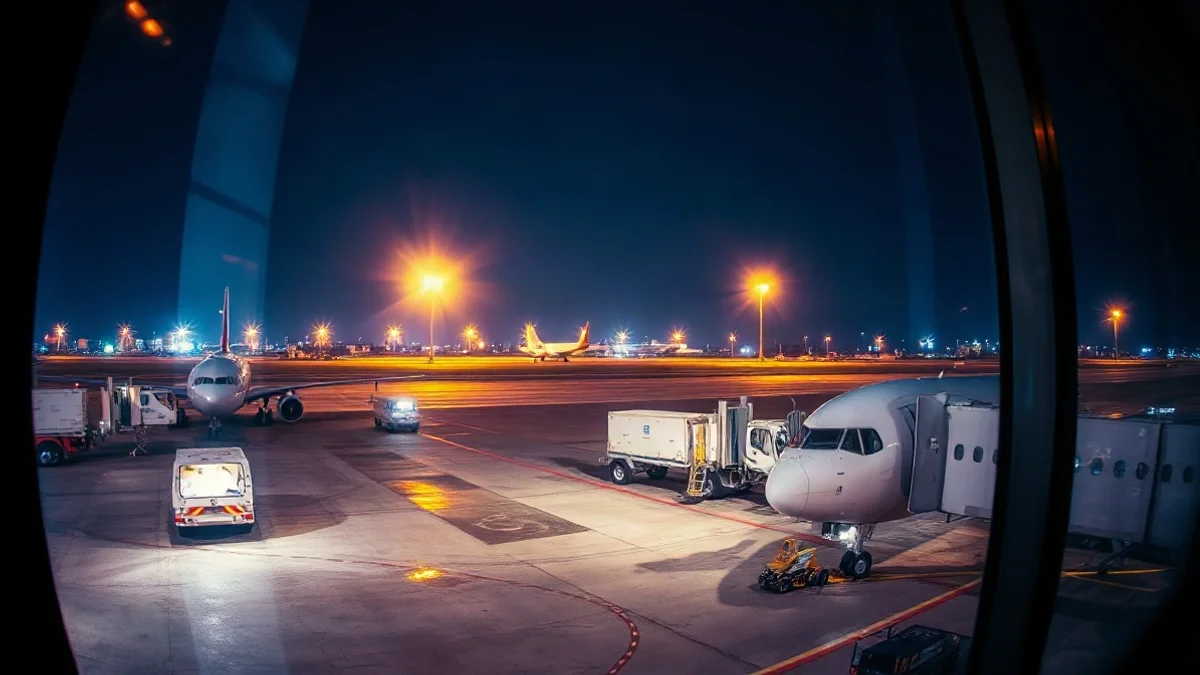
An Etihad Airways flight traveling from Abu Dhabi to Tel Aviv was forced to turn back mid-journey following regional airspace closures and routing complications over Saudi Arabia.
Flight EY599 departed from Abu Dhabi but had to alter its course over Saudi Arabia after encountering closed airspace zones. Flight tracking data indicated that the aircraft attempted two westward turns—one over Saudi Arabia and another toward Bahrain—before abandoning the approach toward Israel. According to official airline statements, the detour significantly increased fuel consumption and flight duration, causing the crew to approach the strict legal limits governing duty and rest hours established by aviation regulations. Faced with insufficient fuel reserves to complete the diversion route safely and legally, the captain made the decision to return to Zayed International Airport in Abu Dhabi.
Operational Adjustments and Regional Context
Upon returning to Abu Dhabi, the airline arranged for refueling, a replacement or larger aircraft, and a fresh flight crew before dispatching a substitute flight to Tel Aviv later that night. The operational disruption also impacted the return leg, forcing the postponement of flight EY600 from Ben Gurion Airport to Abu Dhabi. Passengers booked on the outbound service received notification of a delayed departure scheduled for the following morning at 07:40, alongside complimentary meal vouchers distributed by airport ground staff.
Industry analysts note that airspace restrictions across the region have intensified recently. Saudi Arabia and Bahrain have faced ongoing security challenges, including attacks linked to Iran and persistent drone and missile threats from the Iran-backed Houthis in Yemen amid broader regional escalations.