High Prices and Taste Concerns Hinder Israel's 447 Million Shekel Vegan Market
A comprehensive 2026 survey reveals that high prices and limited availability hinder broader adoption of plant-based foods in Israel, despite massive sales growth in tofu and dairy alternatives reaching 447 million shekels.
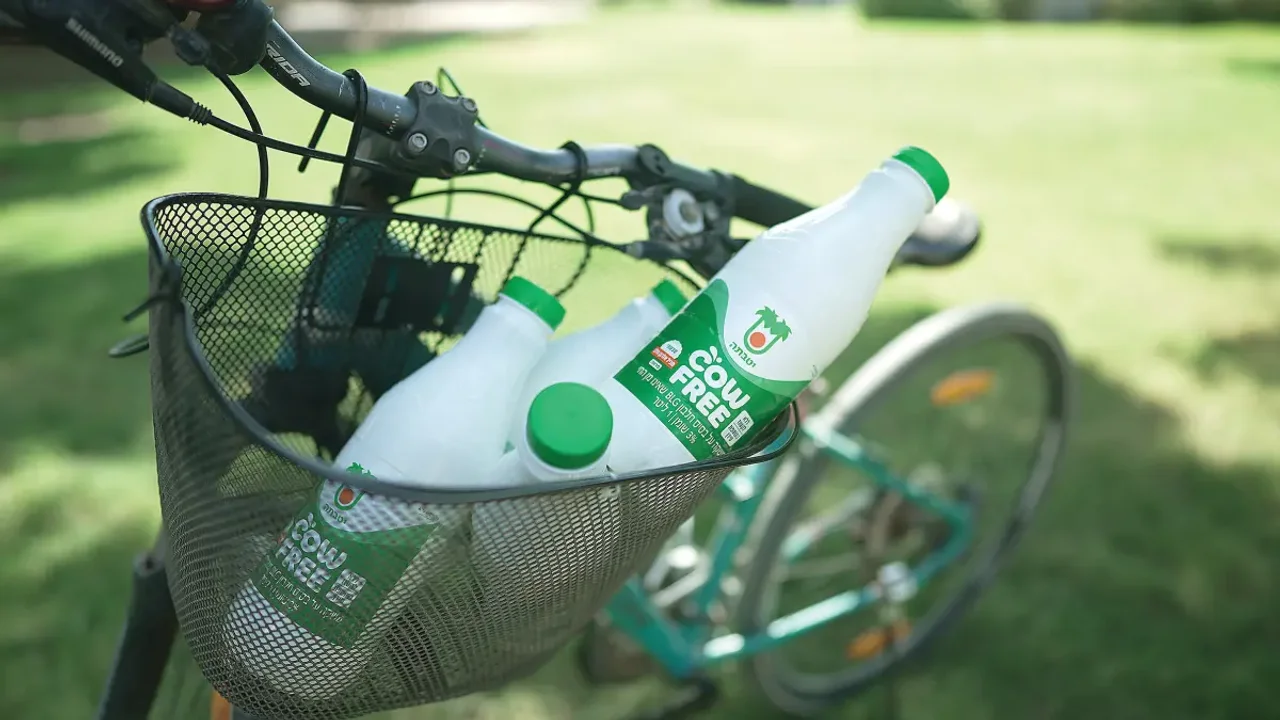
Despite moving from specialty health stores into mainstream supermarket aisles, plant-based products in Israel still face significant consumer hurdles. The 2026 Vegan Survey, conducted by Vegan Friendly with 17,041 respondents, highlights the financial and structural gaps preventing the broader public from adopting a vegan diet.
Price Barriers and Market Availability
For non-vegans, cost remains the primary obstacle. Approximately 39% of non-vegan respondents cited high prices as the main deterrent to transitioning. In addition, 25% pointed to limited availability, while others noted a scarcity of options in restaurants and social challenges associated with dietary changes.
A price check across retail chains for three popular plant-based items revealed notable discrepancies. For Meshhek Weiler's Super Tofu Tamago, the lowest prices of 13.90 shekels were found at Yochananof and Victory. Keshet Teamim priced it at 14.90 shekels, Shufersal and Hazi Hinam at 16.90 shekels, and Tiv Taam recorded the highest price at 18.90 shekels. Meanwhile, Strauss Group's Sticky Rice Mango was uniform at 6.90 shekels across Shufersal, Rami Levy, Victory, and Hazi Hinam, but reached 8.90 shekels at Tiv Taam. Mama Q's Olive Creamama was priced identically at 16.90 shekels in both Shufersal and Victory.
Beyond price, taste remains the deciding factor at checkout. When asked about the main criterion for choosing a new plant-based alternative, 39.5% of omnivores and 34.2% of vegans and reducetarians named flavor as the most crucial element. Purchasing habits also show a sharp divide: while about one-fifth of omnivore respondents incorporate dairy alternatives into their daily routines, roughly 80% consume meat alternatives rarely or not at all.
Ilan Safriel, co-owner of tofu and soy producer Meshhek Weiler, noted that while dairy alternatives have successfully integrated into consumer habits, consumers still struggle to see the advantage of meat alternatives over conventional meat in terms of price, taste, and nutritional value.
"Even people who eat meat and dairy products sometimes prefer a plant-based beverage in their coffee," said Paz Shachori, a clinical dietitian and CEO of a clinical nutrition and training center in Kiryat Ono. "One possible reason is lactose intolerance. For those who have trouble digesting lactose, drinking regular milk can cause bloating, gas, or abdominal pain. In such cases, a plant-based beverage or lactose-free milk can be a convenient option."
Omri Paz, founder of Vegan Friendly, emphasizes that alongside expanding market offerings, the industry must tackle price and availability barriers. Conversely, Shachori points out that a balanced plant-based diet can be built affordably by relying on cost-effective, nutrient-dense staples such as legumes, whole grains, fruits, and vegetables.
Surge in Tofu and Plant-Based Milk Sales
Parallel to these consumer hurdles, market data reveals massive growth in basic categories. According to a report by GFI Israel, tofu sales tripled between 2018 and 2024, rising from 30 million shekels to 90 million shekels, alongside an 11.4% quantitative growth reported by Storenext and Tnuva in November 2025. This increase was largely driven by omnivores seeking affordable protein diversification. During the same period, plant-based milk sales surged from approximately 182 million shekels to 447 million shekels, now accounting for about 21% of the total dairy beverage market.
Dietitian Paz Shachori explained that the term "vegan" indicates ingredient origins only and does not guarantee a product is healthier. While natural tofu provides complete quality protein, calcium, and low sodium and saturated fat, processed meat alternatives require careful label inspection. Furthermore, tofu and plant-based meat substitutes are not reliable sources of vitamin B12 unless specifically fortified, requiring proper dietary supplementation.