Israeli Retail Investors Face Heavy Losses Amid Global Stock Market Crash
Israeli retail investors report severe portfolio losses amid a global market crash that has erased nine trillion dollars in value, leaving traders weighing whether to sell or buy the dip.
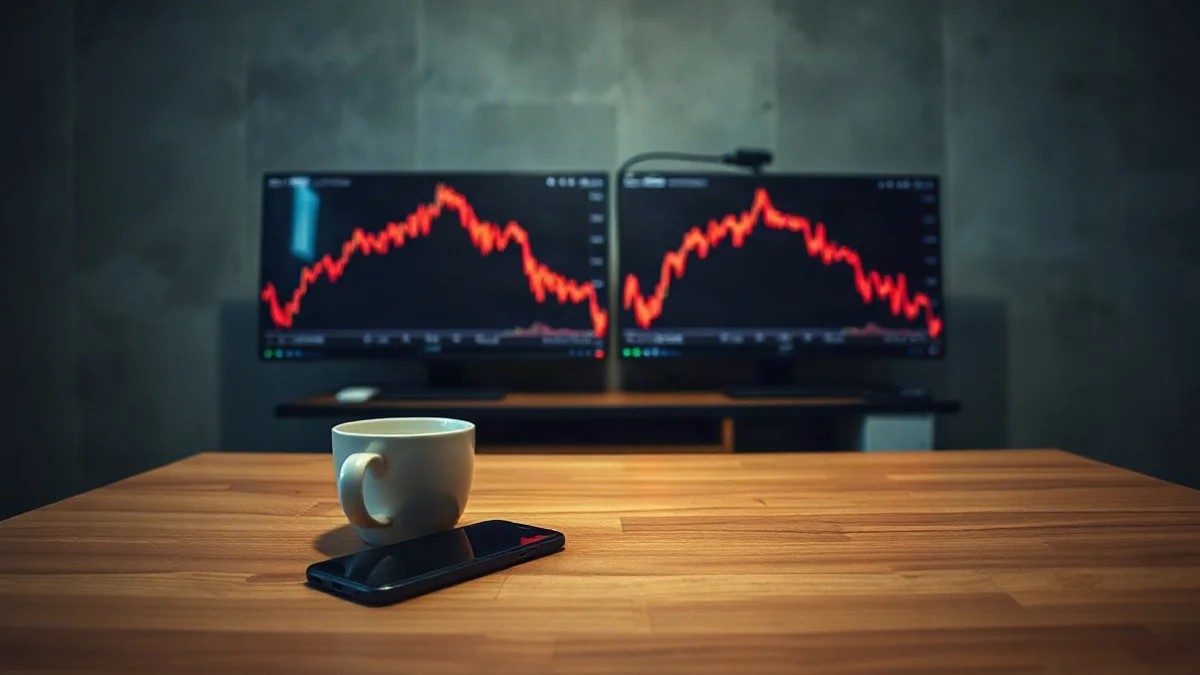
A severe global market downturn is severely impacting retail investors across Israel, with social media filling up with reports of heavy portfolio losses, wiped-out savings, and agonizing dilemmas over whether to liquidate remaining holdings or buy the dip.
Mounting Losses and Individual Dilemmas
In online discussions, Israeli investors shared startling figures reflecting the depth of the recent market correction. One investor reported a loss of 252,965 dollars over a two-month span, describing their financial standing with the phrase, "My back is against the wall, it is do or die." Another user claimed their investment portfolio shed approximately 700,000 dollars from its peak value, while still contemplating whether to execute new purchases on the exchange. Additional reports included a 200,000 dollar loss and a 40 percent drop in a portfolio heavily weighted in Nvidia shares. Smaller retail investors voiced similar distress, with one noting a 62,500 shekel loss tied to an S&P 500 investment alongside a debate over whether to inject another 20,000 shekels.
Financial analysts note that these figures stem from self-reported social media posts rather than verified brokerage accounts, often representing a decline from peak portfolio valuations rather than fully realized losses. Nevertheless, these personal accounts illustrate how the broader international market crash has penetrated the Israeli retail trading community, shaping public discourse.
Global Scale and Shaken Tech Valuations
According to market data, nearly nine trillion dollars have vanished from global equity market capitalization since the peak recorded in August. Downward momentum accelerated sharply as the Nasdaq index dropped by approximately 10 percent and the S&P 500 declined by 8.6 percent. On a single Friday session, the Nasdaq plummeted 5.28 percent, erasing all its gains accumulated since the beginning of the year. The sell-off extended beyond equities, dragging down Bitcoin, gold, and copper amid mounting anxieties over massive artificial intelligence infrastructure spending, high interest rate environments, and potential economic growth slowdowns.
Corporate employees are also bearing the brunt of the correction. Reports indicate that personnel at Nvidia in Israel witnessed substantial declines in the value of equity packages received as part of their compensation. For workers whose wealth is concentrated within their employer's stock, the downturn poses a dual risk, tying both primary livelihood and personal savings to the same corporate entity.
Conversely, the turbulent market conditions created lucrative opportunities for bearish investors. Traders executing short positions and purchasing put options against artificial intelligence equities generated theoretical profits worth billions of dollars. Figures such as investor Michael Burry, renowned for his successful bet against the mortgage market ahead of the 2008 financial crisis, were once again linked to negative positions in technology stocks.
Underlying the ongoing market rout are fundamental questions regarding the valuation of artificial intelligence corporations and their capacity to translate heavy capital investments into sustainable profits. For private investors, however, the dilemma remains intensely practical: deciding whether to cut losses, wait out the volatility, or deploy fresh capital amidst historic market turbulence.