Israeli Real Estate Investor Builds US Portfolio From 42000 Dollars
Israeli investor Ben Meir shares insights on building a US real estate portfolio from 42000 dollars to dozens of properties, emphasizing generational wealth over spreadsheets.
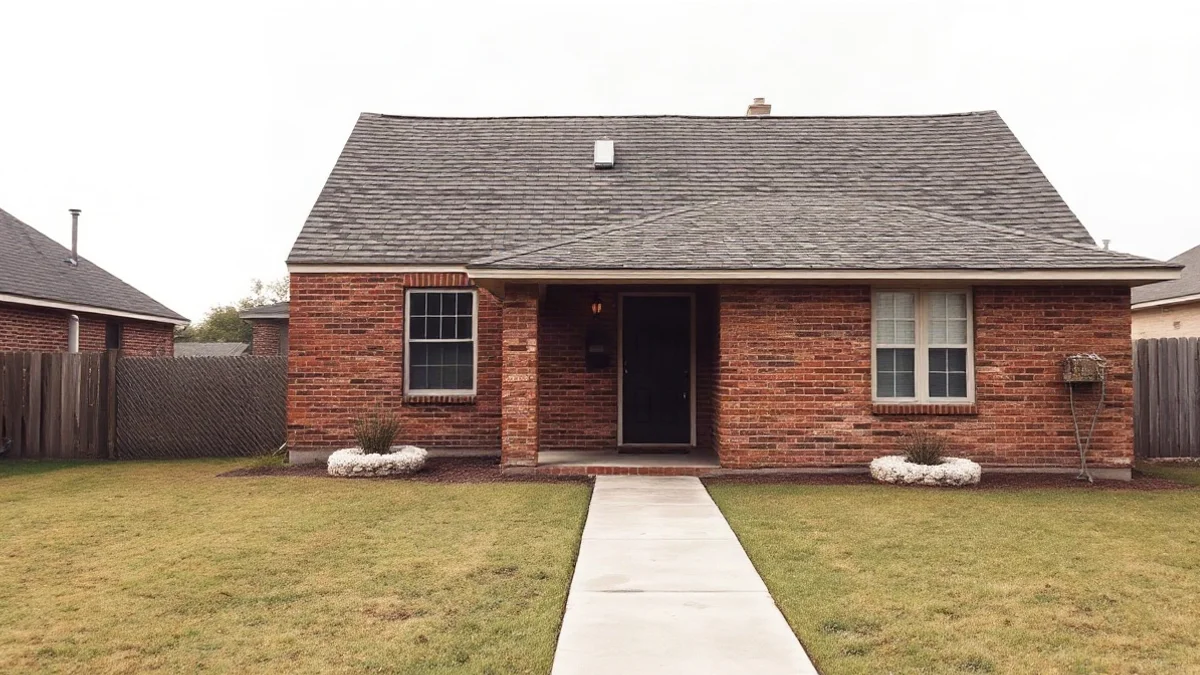
Spreadsheets and return calculations often tell only half the story in real estate investing, where neighborhood dynamics, tenant management, and unforeseen expenses ultimately dictate success. Ben Meir, an Israeli real estate investor operating in the USA, began his journey with just $42,000 used to acquire a property in Texas alongside a partner. By reinvesting capital from that initial venture and raising funds from friends and family, he systematically expanded his portfolio to dozens of homes. Despite his portfolio's growth, Meir rejects the illusion of get-rich-quick schemes, noting that his wealth is tied up in bricks and mortar rather than liquid cash.
Moving Beyond Spreadsheet Illusions
Sharing his experiences and operational missteps online, Meir sets his sights on holding 100 properties—a milestone he previously reached before selling off portions of his portfolio to restructure. He emphasizes that many investors rely exclusively on financial modeling rather than physical due diligence.
"Most investors today analyze spreadsheets, not real estate. The spreadsheet calculates yields, but it cannot identify good property. Sometimes the numbers are entirely correct, and the transaction is still wrong."
Rather than treating rental income as the sole objective, Meir argues that real estate functions through five interconnected wealth-building engines. These include leveraging low-cost debt, controlling tax structures, amortization, and long-term equity growth, tools historically reserved for major corporations and governments.
Capitalizing on Market Uncertainty
While high interest rates and elevated financing costs have driven many prospective buyers to the sidelines, Meir views this widespread hesitation as a strategic opening. Rather than waiting for optimal macroeconomic conditions, he advocates for entering the market during periods of subdued competition.
- Interest Rate Strategy: Buyers can refinance mortgages later, but purchase prices negotiated during sluggish demand cannot be retroactively altered.
- Market Timing Fallacy: Treating real property like liquid equities to time market entry often traps investors in endless hesitation.
- Long-Term Horizon: Assets must be strong enough to withstand decades of market cycles and generate value through multiple economic mechanisms.
Concluding his strategy with the guiding philosophy of "buy real estate and wait, rather than waiting to buy real estate," Meir stresses that generational wealth requires decades of patience. By focusing on fundamental asset quality rather than short-term transaction flips, investors allow the underlying financial mechanics of property ownership to compound securely over time.