Israeli Election Campaigns Cost Billions as Parties Accumulate Massive State Debt
Israeli election campaigns routinely cost hundreds of millions of shekels, with five cycles between 2019 and 2022 exceeding 1.2 billion shekels. Heavily reliant on state funding, parties often accumulate massive debts that ultimately fall on taxpayers.

Running for the Israeli parliament may seem accessible on paper, requiring just 100 signatures and a modest registration fee of about 37,000 shekels to the Registrar of Parties. However, the financial reality of Israeli election campaigns reveals a staggering economic chasm. Total spending for a single electoral cycle across all factions routinely ranges between 250 and 290 million shekels, while the accumulated cost of the five consecutive election cycles held between 2019 and 2022 exceeded 1.2 billion shekels.
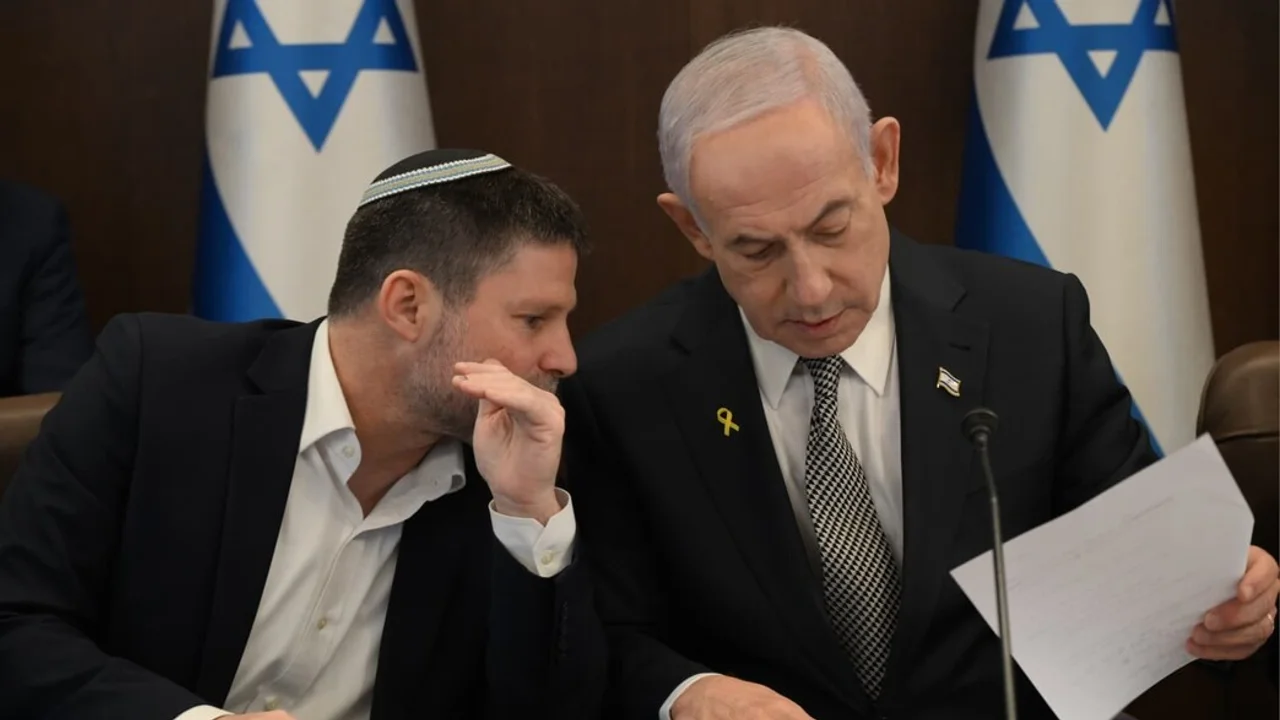
According to State Comptroller reports and Knesset data, political parties operate within a clear hierarchy of spending. The Likud party stands as undisputed champion, spending roughly 57 million shekels during the 25th Knesset elections in 2022, with expenditures peaking near 70 million shekels during the intense political battles of 2019–2020. This heavy spending has left Likud with close to 50 million shekels in loans owed to the Knesset treasury.
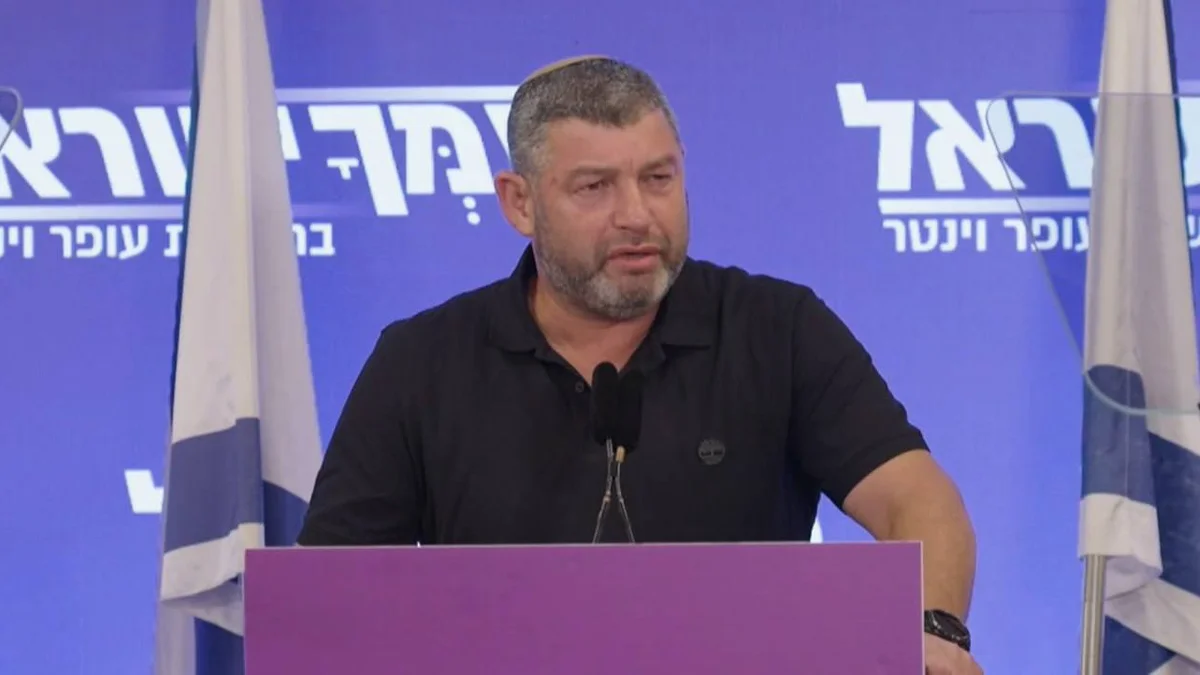
Following closely behind is Yesh Atid, which spent approximately 40 million shekels in 2022. The record for the center-left bloc, however, was set during the heyday of the joint Blue and White alliance led by Benny Gantz, Yair Lapid, Moshe Ya'alon, and Gabi Ashkenazi, whose massive campaign exceeded 60 million shekels and left a significant financial deficit following the party's subsequent split. Medium-sized factions such as Shas, National Unity, Yisrael Beytenu, and Religious Zionism typically spend between 12 and 25 million shekels per campaign.
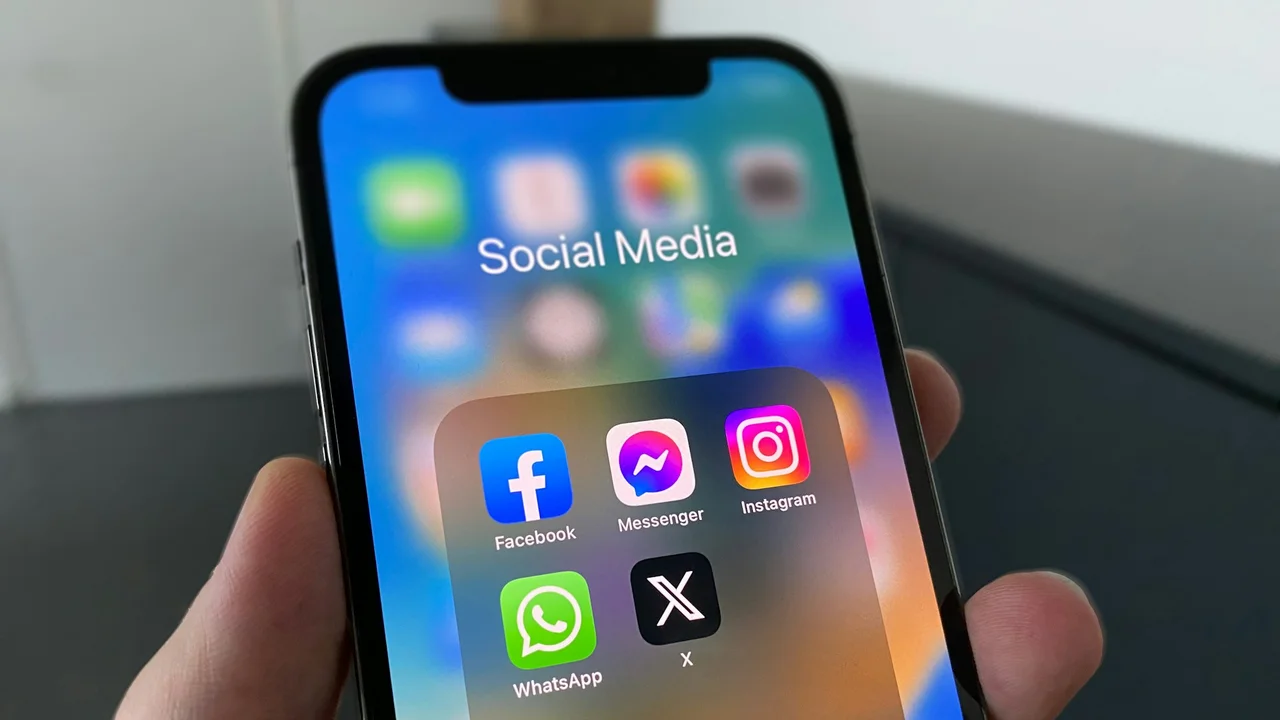
Where does the money go? State Comptroller data reveals a remarkably consistent distribution of expenses across almost all political parties. Digital advertising and media take the largest share at roughly 44 percent of the budget, with millions poured into Facebook, Instagram, Google, and TikTok, alongside billboards and promotional videos. Personnel and field operations account for 27 percent, covering staff, call centers, observers, and election-day logistics. Polls and strategic consultants consume about 15 percent, while administrative operations, headquarters rent, and legal counsel make up the remaining 13 percent.
Unlike in the United States, where campaigns rely heavily on massive private donations, Israeli law strictly limits contributions to prevent corruption. Consequently, approximately 99.7 percent of party funding comes directly from state financing. Parties receive funds based on Knesset seats, but many gamble on pre-election loans from the state treasury based on optimistic polls. When a party underperforms or fails to cross the electoral threshold, it is saddled with massive debts that are restructured over decades or ultimately written off at the taxpayer's expense.