Israeli Real Estate Developers Seek Return Reductions in Urban Renewal
Real estate developers in Israel are asking property owners to reduce promised returns in 50% of active urban renewal projects, citing severe economic pressures and tight profit margins.
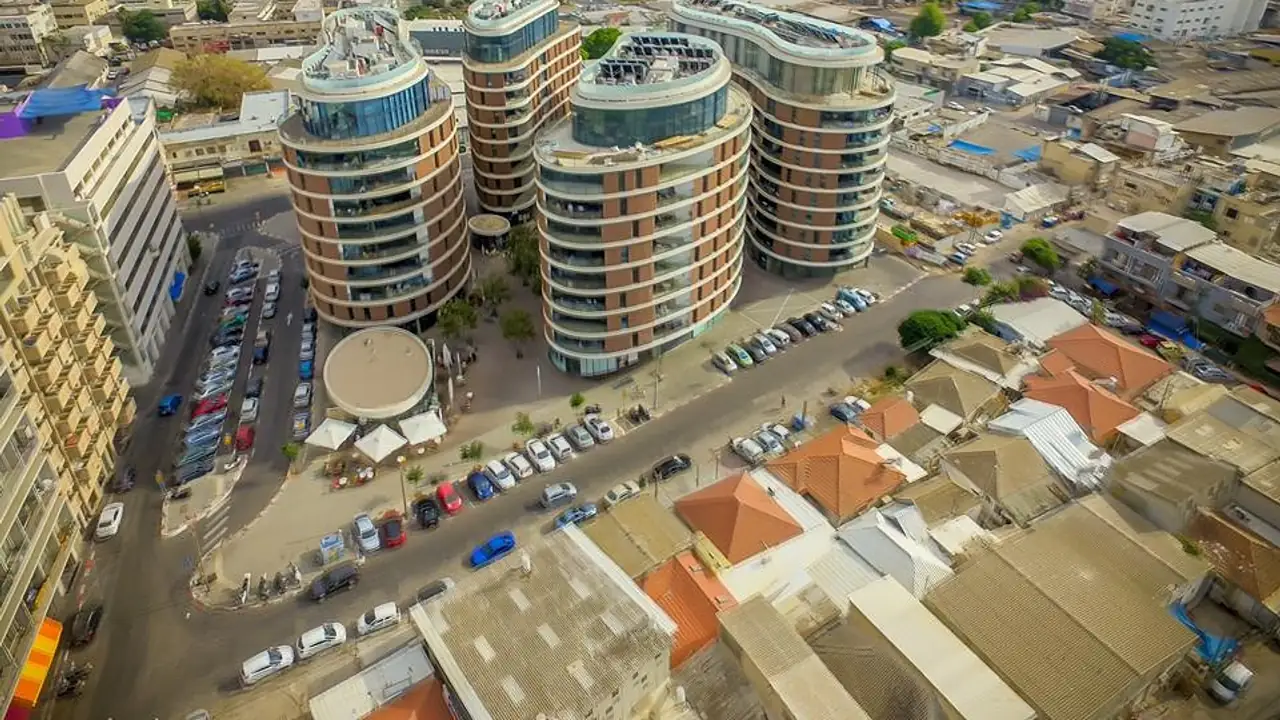
Real estate developers across Israel are increasingly approaching property owners to renegotiate and reduce agreed-upon project returns, signaling a significant shift in the urban renewal sector. According to veteran real estate appraiser Shmulik Cohen, who manages SK Real Estate Appraisal, about 50% of the 300 urban renewal projects currently overseen by his firm have faced developer requests to open existing contracts and scale back promised benefits.
After years of near-continuous property price growth, market conditions have shifted, leaving many developers operating on razor-thin profit margins or facing unviable projects. Cohen notes that the first such request reached his desk a year and a half ago, but it has since turned into a widespread phenomenon. He points out that many past agreements were structured improperly from an appraisal perspective, with developers routinely promising excessive returns just to win tenders without conducting comprehensive financial feasibility checks.
Forms of Reduced Compensation and Developer Demands
When discussions turn to scaling back returns, developers target more than just primary apartment expansions. Adjustments frequently encompass balconies, storage units, and guaranteed parking spaces. Furthermore, developers may seek reductions in future rental subsidies during the interim demolition and construction period, or cuts to building maintenance subsidies that developers typically finance for hundreds of thousands of shekels.
In extreme cases, particularly in high-demand zones such as Tel Aviv's Fourth Quarter, developers are directly asking homeowners to inject personal capital into project funds. Cohen cites a notable project along Ibn Gabirol Street in Tel Aviv, where homeowners were originally slated for a modest 6-meter expansion. Faced with economic unviability, the developer requested to exit the project entirely. After rigorous negotiations, the 18 property owners agreed to contribute 250,000 shekels per apartment out of pocket to keep the development moving forward.
Appraiser Oversight and Profit-Sharing Mechanisms
Professional oversight remains critical in validating whether a developer's plea for concessions is genuine. In a Jerusalem project involving 200 apartments where homeowners were promised an unusually high 30-square-meter addition, the developer requested a 5-square-meter reduction after financial reviews proved the original terms unfeasible. A committee of property owners reviewed the developer's financial data and approved the adjustment by an 80% majority.
Conversely, independent appraisal assessments can block unjustified cuts. In Petah Tikva, a developer requested a sharp reduction from a 12-square-meter addition down to 4 square meters, but appraisal checks deemed it excessive, and the final addition was set at 8 square meters. In Rishon LeZion, a proposed reduction from 18 to 8 square meters was similarly arbitrated down to a compromise of 12 square meters.
Cohen emphasizes that developers must maintain absolute transparency and provide supporting financial reports, warning that opaque requests instantly trigger red flags. To safeguard homeowners, agreements should incorporate profit-sharing mechanisms ensuring that if developer profitability recovers later, surrendered returns are restored.
"Today, scaling back returns has become common, but it severely damages a developer's reputation," Cohen explains. "Developers must use this tool sparingly, and investors must remember that in urban renewal, certainty is near zero while potential and risk remain exceptionally high."