47% of Israeli Firms Hide National Identity Abroad Amid Rising Boycotts
A new survey reveals that 47% of Israeli companies conceal their identity abroad due to boycotts, while 58% face hostile international campaigns. The study highlights severe operational impacts and a widespread lack of corporate and government preparedness.

Nearly half of Israeli companies operating internationally have begun concealing their national identity over growing concerns regarding boycotts and anti-Israel campaigns, according to a new survey. The study was conducted by Good Vision, a corporate responsibility and ESG risk management firm operating under Fahn Kanne Grant Thornton, in collaboration with Repshield.
The findings reveal that 47% of participating companies have masked their Israeli identity in foreign markets over the past two years, with 26% doing so across most of their operational territories and 21% in select markets. An additional company considered the step before ultimately deciding against it. The survey sample comprised 19 firms, roughly one-third of which employ more than 1,000 workers, while eight of the 18 respondents addressing the matter are publicly traded on exchanges in Israel or abroad.
Financial Toll and Operational Shifts
More than half of the surveyed enterprises—58%—reported being targeted by adverse international activities over the past two years due to their Israeli ties, with an additional 21% suspecting they were targeted without being certain. Among 15 companies tracking the trajectory of these hostile campaigns since October 7, 2023, 80% indicated that the actions intensified or emerged strictly after that date, and over a quarter documented a substantial escalation in volume.
Negative exposure manifested through several channels:
- Negative media coverage affected 47% of the reporting firms.
- Pressure from international clients, business partners, or distributors impacted 40%.
- Public campaigns targeting corporate operations were cited by roughly one-third of respondents.
These pressures translated into tangible business consequences: 27% reported canceled or delayed orders, 20% lost an established business partner or distributor, 20% experienced delayed or aborted investment funding rounds, and 20% relocated operations or executive management teams out of Israel. Furthermore, 47% of all firms noted a diminished willingness among overseas partners to collaborate since October 2023. Consequently, 42% adjusted their business strategies, altering international marketing policies, scaling back customer contracts, avoiding specific foreign markets, or shifting personnel abroad.
Government Skepticism and Internal Preparedness Gaps
Beyond market hurdles, the data highlights profound skepticism regarding state backing during crises. Nearly half of the respondents—47%—do not trust the government at all to assist them against foreign boycotts, while 37% hold minimal confidence in state support, and only a single firm expressed strong trust.
Despite pervasive exposure, internal risk preparedness remains low. More than half of the firms (53%) lack a structured protocol for handling boycotts and reputational attacks abroad, 26% are currently drafting guidelines, and only 16% maintain an active, implemented strategy. Moreover, just 10.5% of the companies treat the boycott threat as a formal strategic risk managed at the executive board level, with roughly one-third addressing incidents solely on an ad-hoc basis.
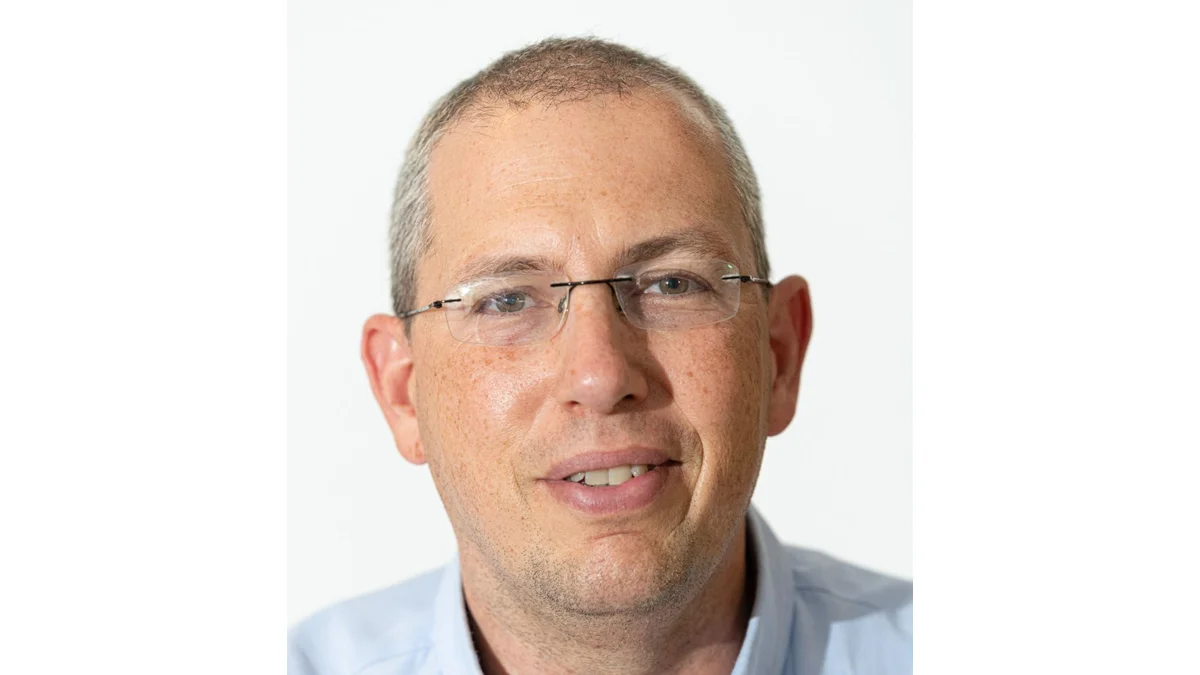
Good Vision CEO Avi Verbin emphasized the urgency of structural change across the corporate sector:
"The fact that Israeli companies are masking their identity to protect foreign operations should ring alarm bells, as should the gap between the severity of the threat and the level of preparedness. Just as firms prepare for cyberattacks, they must also prepare for risks stemming from their Israeli identity. This is a core business risk that belongs on the boardroom table."