Smart Guide to Choosing Cost-Effective Winter Home Heating Systems in Israel
Comprehensive guide to selecting efficient home heating solutions for winter, comparing air conditioners, fireplaces, oil systems, and electric heaters with fuel supply insights.
Choosing the right heating solution for the winter season requires a careful balance of comfort, operational costs, safety standards, and long-term reliability. Beyond upgrading domestic heating units, securing professional and dependable fuel supply services is essential to ensure a warm indoor environment during the coldest months of the year.
Mapping Home Heating Options
The domestic heating market offers a diverse range of technologies, varying from inverter air conditioners to decorative fireplaces and centralized heating systems powered by oil or gas. Selecting the optimal system depends heavily on property size, regional climate, insulation levels, household habits, and personal preferences regarding warmth and interior design.
Inverter air conditioners remain widespread across Israel due to their dual functionality for summer cooling and winter heating. However, larger private homes, rural properties, and mountainous regions frequently rely on central water-based heating systems or radiators connected to oil or gas boilers. Additionally, consumer demand for wood, gas, and electric fireplaces has risen sharply, blending aesthetic appeal with effective thermal performance.
Portable gas heaters, electric radiators, fan heaters, and bathroom warmers serve as targeted, localized solutions for individual rooms or temporary use. These devices demand strict adherence to safety protocols and careful monitoring of electricity and gas consumption during extended operation.
Air Conditioner Heating: Pros, Cons, and Efficiency Tips
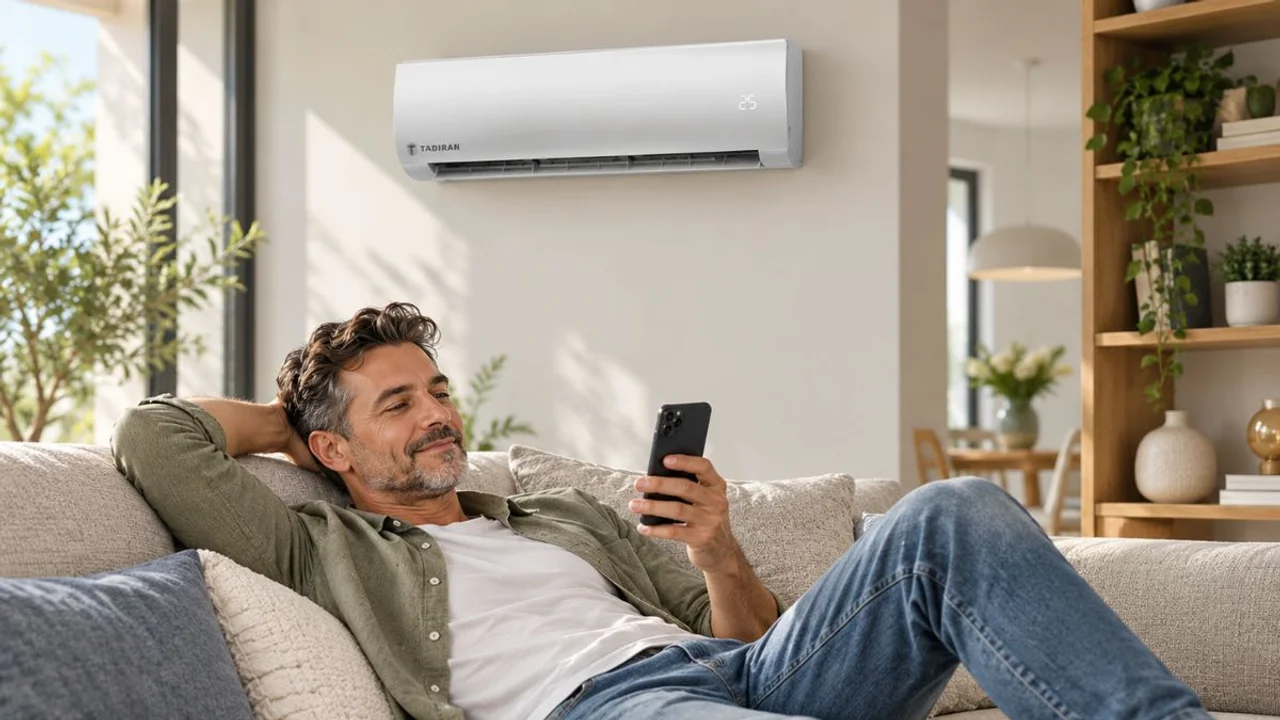
Air conditioning units have become standard fixtures in most apartments, offering relatively high energy efficiency, operational convenience, and precise temperature control. Multi-split and ducted mini-central systems allow simultaneous heating across multiple rooms while maintaining a quiet, unobtrusive profile.
However, air conditioning can dry out indoor air and produce an uncomfortable ambient heat if temperatures are set excessively high. Furthermore, heating efficiency drops significantly during extreme cold snaps or in high-altitude areas, necessitating supplementary solutions. Routine maintenance—such as cleaning filters, checking refrigerant levels, and ensuring proper drainage—is vital to prevent breakdowns during severe storms.
To maximize efficiency, experts recommend setting moderate temperatures, keeping windows sealed during operation, and avoiding frequent power cycling. Utilizing heavy curtains and shutters at night helps retain room heat, reduces mechanical strain on the compressor, and shortens warm-up times.
Fireplaces and Gas Heaters: Balancing Ambiance and Heat
Fireplaces and gas heaters combine effective thermal output with a cozy living space ambiance. Wood-burning fireplaces deliver natural radiant heat and a distinctive atmosphere, but require compliant chimneys, wood storage, regular ash cleanup, and smoke management. Gas fireplaces offer cleaner, more convenient operation with precise flame control and rapid heating, though they necessitate prior engineering planning, gas infrastructure connections, and safety certifications.
Portable gas heaters provide flexibility for medium-sized spaces, but mandate adequate room ventilation, certified gas cylinders, and secure placement away from curtains and furniture. Models equipped with automatic tip-over shut-offs and oxygen depletion sensors are crucial for occupant safety.
Central Oil Heating Systems for Severe Winters
In detached houses, villas, rural guest houses, and cold regions, central oil-fired heating systems remain a robust and reliable choice. These systems typically utilize an oil-fueled boiler to heat water circulating through pipe networks into room radiators or underfloor heating grids. The primary advantage is uniform, silent heat distribution without air drying.
Achieving optimal performance requires professional engineering design, correctly sized boilers and radiators, and a dependable fuel supplier capable of delivering heating oil under adverse weather conditions. Professional heating oil delivery services enable advance planning of fuel volumes, regular winter replenishment, and the prevention of shortages during deep cold waves.
System maintenance involves periodic burner cleaning, boiler tune-ups, and pipe inspections to enhance fuel efficiency and extend equipment lifespan. Working with experienced fuel providers also grants access to expert guidance on order timing and household consumption patterns.
Electric Heating and Radiators as Backup Solutions
Electric resistance heaters, oil-filled portable radiators, coil heaters, and bathroom blowers usually function as supplementary or localized heating sources. Mobile oil radiators deliver steady, safe heat suitable for children's bedrooms when kept unobstructed. Fan heaters provide instant warmth but consume substantial electrical power, making them suitable only for short durations.
The principal drawback of electric heating is high operational expenditure when running multiple units simultaneously. Overloading household electrical circuits can trigger circuit breakers or create fire hazards, underscoring the need for compliant wiring and certified appliances with built-in safety cutoffs.
Strategic Considerations for Selecting Heating Systems
Choosing a home heating system involves evaluating installation budgets, ongoing energy expenses, maintenance requirements, and safety compliance. While compact urban apartments may only require an inverter AC and occasional backup heaters, large suburban homes and high-altitude properties benefit significantly from central liquid-based heating networks.
Safety is non-negotiable across all fuel categories. Gas, oil, and electrical installations must comply with strict regulatory standards, be installed by licensed professionals, and undergo routine safety inspections to protect residents against fire and carbon monoxide risks.
Early Preparation and the Role of Energy Suppliers
Winter preparation begins well before cold weather arrives by testing system functionality, checking for plumbing leaks, and servicing boilers at the end of autumn. For fuel-based systems, early supply scheduling prevents delivery delays and seasonal shortages during peak demand periods. Establishing a routine supply schedule with established energy providers ensures an uninterrupted fuel flow, stable home heating, and reliable domestic comfort throughout the entire winter season.