International Studies Show Most Israeli Children Are Happy Despite Crises
Three international studies reveal that the vast majority of children and teenagers in Israel remain happy and satisfied with their lives, showcasing remarkable resilience despite recent crises.
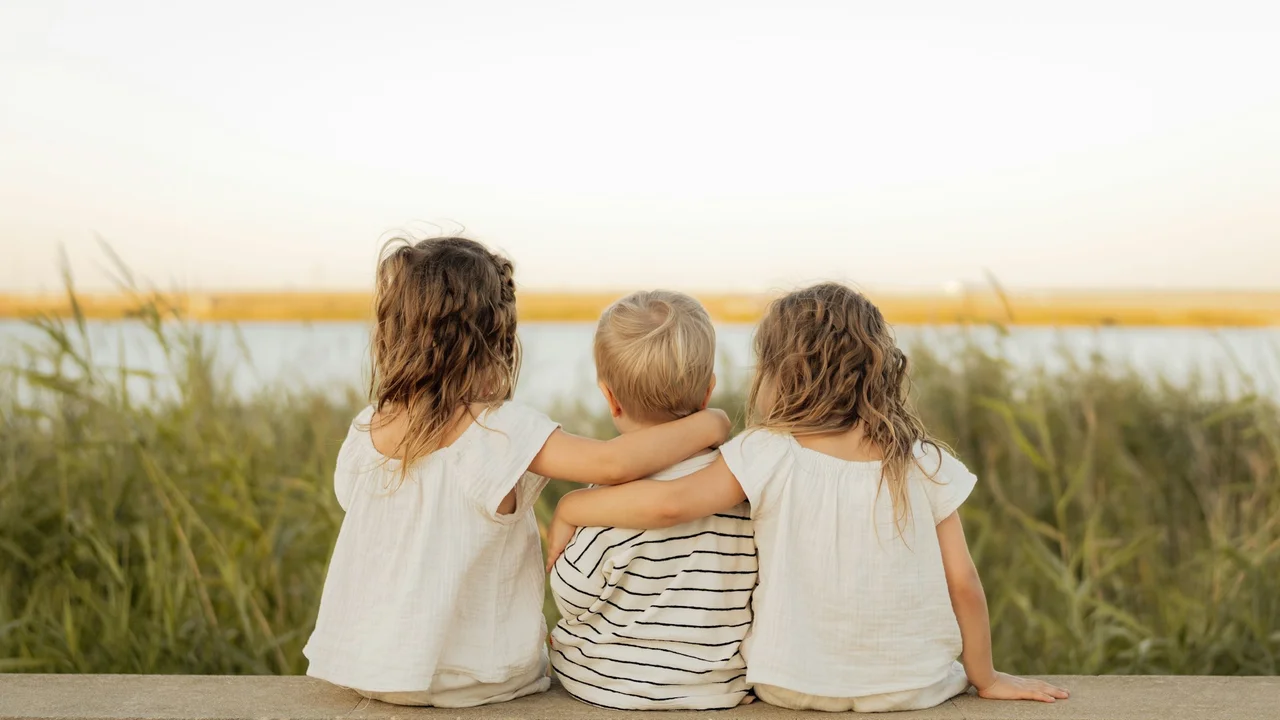
Despite facing severe challenges, ongoing crises, and heightened anxiety in recent years, the vast majority of children and teenagers in Israel report feeling happy and satisfied with their lives. This key finding emerges from three major international studies conducted in Israel, shedding light on the resilience of the younger generation.
Findings from Three Major International Studies
The three independent research initiatives include the Childhood Studies project, a World Health Organization survey, and the OECD's PISA assessment. The Childhood Studies project was led by researchers from the Hebrew University of Jerusalem and Tel-Hai College, surveying 2,469 students across first, fourth, and sixth grades nationwide. According to the data, 89.9% of the participating children reported being satisfied with their lives, with 90.2% of Jewish children and 88.7% of Arab children expressing positive sentiments. The study also noted that fourth-graders reported higher satisfaction levels than sixth-graders.
The World Health Organization's international survey on the health and well-being of adolescents, conducted in Israel by Bar-Ilan University researchers, included 7,424 students in grades seven through twelve. The findings revealed that 72.3% of middle and high school students—comprising 75.5% of boys and 69.2% of girls—are satisfied with their lives and feel their circumstances are good. This marks a notable recovery and improvement compared to 2023, when happiness rates stood at 63.3% for boys and 45.2% for girls. Meanwhile, the OECD PISA study, which evaluated 15-year-old students, placed Israeli youth third out of 37 member nations. While the OECD average stands at 16% of students being completely satisfied and a mean score of 7.22 out of 10, 30% of Israeli teenagers reported complete satisfaction, yielding an average score of 7.82.
The Power of Immediate Environment and Routine
Professor Hanita Kosher from the Paul Baerwald School of Social Work and Social Welfare at the Hebrew University explained that a child's well-being primarily relies on immediate experiences within their family, peer group, and school environment rather than external macro conditions. Family cohesion emerged as the strongest predictor of life satisfaction. Even children who experienced major disruptions—such as parents deployed for months in military service or families evacuated from their homes—reported high levels of life satisfaction when surrounded by supportive relationships.
Continuous school attendance during emergency periods correlated directly with the highest levels of life satisfaction and the lowest levels of negative emotions. Professor Yossi Harel-Fish, head of the international adolescent well-being research program at Bar-Ilan University and principal investigator of the HBSC study in Israel, emphasized that supportive parents, teachers, cohesive family structures, community volunteering, and healthy peer relationships serve as vital buffers for optimal coping.
Youth Perspectives and Civic Responsibility
Reflecting on these findings, Einav Luk, director of the psychological service at the Ministry of Education, highlighted the remarkable strength and civic responsibility demonstrated by students who engaged in volunteering and social initiatives during the emergency period.
Students across the country echoed these sentiments of resilience and community spirit.
"I think Israeli children are happy despite everything we have been through, thanks to our resilience, family values, friendship, and community."