Israeli Airlines Cleared for Abu Dhabi Flights Amid Ongoing Dubai Ban
Israeli security has authorized local airlines to fly to Abu Dhabi following the suspension of Dubai routes. Industry executives criticized the move, demanding equal access to Dubai.
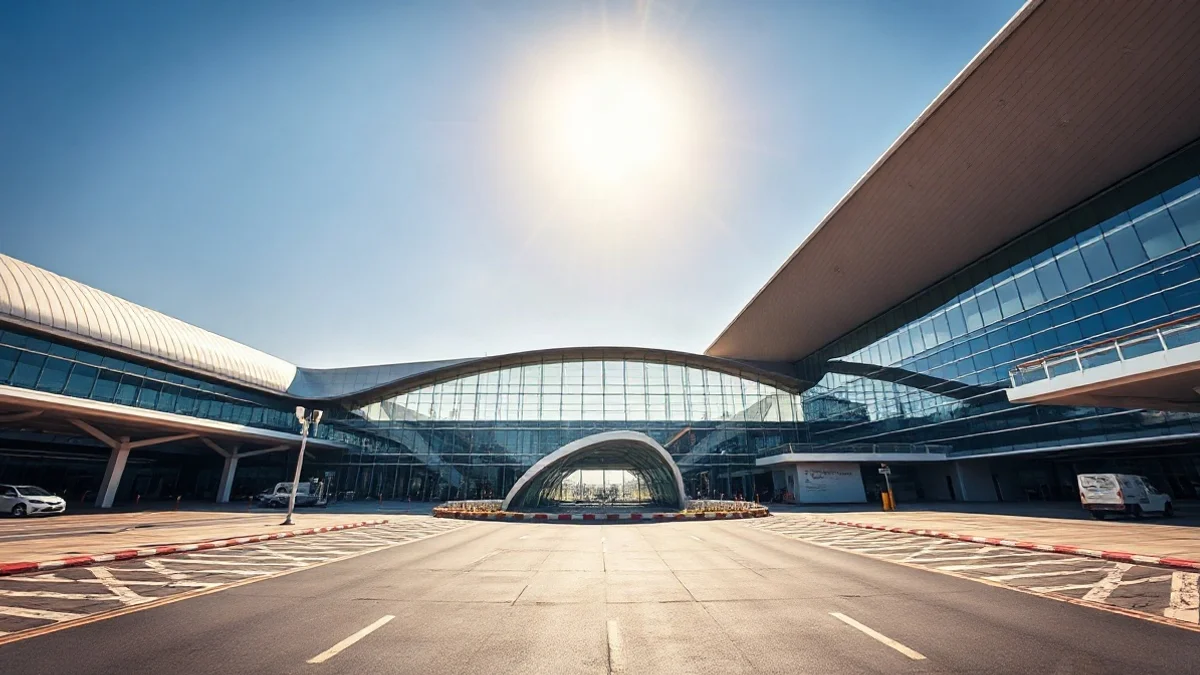
The aviation landscape for Israeli travelers has undergone significant changes over the past three years. Following the suspension of flights to Turkey, Dubai rapidly emerged as the primary transit hub for flights to the Far East. However, after Dubai flights were halted due to a security incident involving a Flydubai aircraft, tens of thousands of Israeli passengers shifted to Abu Dhabi, located about an hour's drive away.
Etihad Airways, the sole carrier operating the route between Israel and Abu Dhabi, currently runs approximately 9 daily flights and 42 weekly flights. Since the incident, the airline has experienced a surge of over 60 percent in demand for connections to the East, deploying wide-body aircraft and offering free layover accommodations to attract passengers. In response to the high demand, Israeli security officials informed local carriers—El Al, Israir, and Arkia—that they would be permitted to operate direct flights to Abu Dhabi. Meanwhile, the ban on Israeli airlines landing in Dubai remains in place as security negotiations with local authorities have yet to yield an agreement.
The authorization of flights to Abu Dhabi as a security alternative has sparked sharp criticism from Israeli airline executives. Industry leaders argue that Abu Dhabi does not serve as a genuine commercial substitute for Dubai, which remains the region's main hub for commerce, tourism, and transit. There are widespread concerns that once Flydubai resumes its operations, Israeli carriers will find themselves excluded from the most lucrative route.
"Flydubai's flight nearly crashed with passengers en route to Israel, and instead of allowing us to resume flying to Dubai, we are being pushed into a form of exile," industry executives stated. "Abu Dhabi is simply not the same in terms of demand. This decision harms us directly and effectively rewards the foreign airline, which will eventually regain total exclusivity."
Israir CEO Uri Sirkis leveled direct criticism against the established policy, calling the approval of Abu Dhabi flights while keeping Dubai exclusive to Flydubai a strategic mistake. Sirkis emphasized that Israir is fully prepared to operate immediate flights to both destinations, demanding full equality and fair competition within the Emirati market.
Despite the security green light, Israeli airlines have yet to launch actual flights to Abu Dhabi, citing stiff competition from Etihad, aircraft shortages dedicated to European and US routes, and reliance on existing code-share agreements. The industry now awaits political and security intervention to resolve the deadlock and reopen access to Dubai.