Israel Winter Storms: Legal Guide on Insurance, Liability and Work Rights
Severe winter storms across Israel bring flooding, property damage, and legal questions regarding insurance, municipal liability, and employment rules during extreme weather.
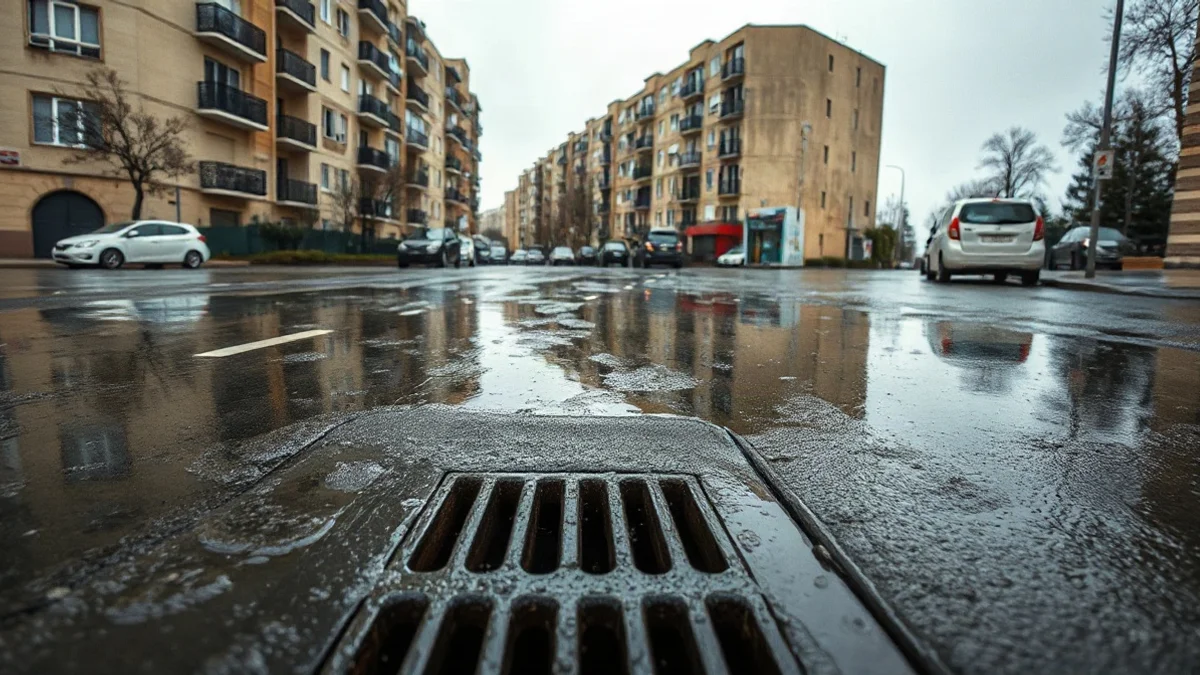
A severe winter storm and extreme weather conditions have caused widespread flooding, property damage, and disruptions across Israel, prompting legal experts to clarify rights regarding insurance claims, municipal liability, and employment rules during storms.
Insurance Policies and Property Damage
Attorney Assaf Varsha, chairman of the Property Insurance Committee at the Israel Bar Association, notes that insurance policy definitions of a storm often differ from everyday usage. Property owners must carefully examine whether their comprehensive policies cover extreme weather events or require specific storm riders, especially since meteorological services did not officially designate this system as a named storm.
When severe weather causes trees to collapse onto vehicles or pedestrians, liability depends on proper maintenance. Courts have repeatedly ruled that a falling neglected tree is not an act of God, but a preventable maintenance failure. Property owners, local municipalities, or housing committees can be held liable if they failed to conduct routine inspections and pruning.
Municipal Liability and Flooding
Homeowners and vehicle owners facing flood damage can file claims through comprehensive insurance or directly against local authorities if inadequate drainage systems caused the flooding. Supreme Court rulings establish that seasonal winter flooding is foreseeable rather than an act of God, requiring municipalities and drainage authorities to maintain proper infrastructure.
Similarly, municipalities are responsible for road maintenance. Motorists injured by potholes or icy roads caused by winter storms can sue the local authority or national road agency if negligence is proven. Documenting the hazard, photographing damage, and retaining expert assessments are critical for securing compensation.
Employment Rights During Severe Weather
Attorney Eran Shoham, an employment law expert, explains that if an employer keeps a workplace open and an employee cannot commute due to blocked roads or objective weather constraints, the employer is not legally obligated to pay wages for the missed day. However, employers cannot penalize employees or treat absence as a disciplinary infraction under such circumstances. Employers are encouraged to act in good faith and offer remote work alternatives where feasible.
The same principle applies when schools close due to severe weather and parents must stay home with their children. Furthermore, employees unable to visit a clinic for a medical certificate due to storms can obtain short-term sick leave documentation remotely under specific regulations.