Israel Year-End Holiday Season Sparks Retail Surge and Food Competition
Israel's winter holiday season—encompassing Christmas, Novy God, and Sylvester—drives a major retail surge. Food chains, delis, and markets compete fiercely to supply festive meals, traditional delicacies, and decorations.
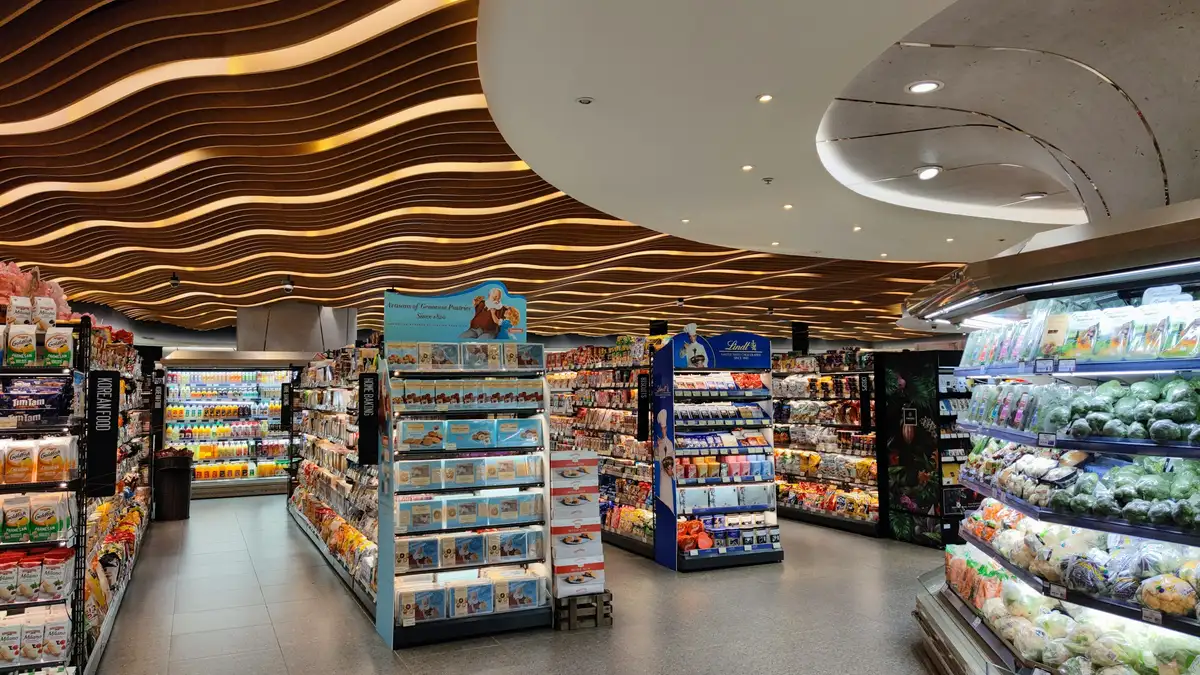
As late November and early December approach, Israel undergoes a distinct seasonal shift. Christmas, Novy God, and Sylvester usher in a massive retail and grocery surge, transforming supermarket shelves and bringing festive markets to life.
While many Israelis conflate these winter celebrations into a single holiday, they carry vastly different historical, cultural, and consumption traditions. Understanding these nuances is crucial for analyzing Israel's dynamic seasonal retail market, which drives significant commercial activity across food, gifts, and hospitality sectors.
Christmas, Novy God, and Sylvester: Core Differences
Christmas marks the Christian celebration of the birth of Jesus, observed globally on December 25 and by Eastern Orthodox churches on January 7. Beyond its religious roots, it has become a major global consumer engine. In Israel, festive atmospheres thrive in Nazareth, Haifa, Jaffa, Jerusalem, and other Christian communities, drawing domestic tourists to markets and illuminated streets.
Novy God, meaning "New Year" in Russian, is a secular civic tradition rooted in the Soviet era when religion was heavily restricted. Marked by the Yolka tree and Ded Moroz (Grandfather Frost), it is a deeply cherished family holiday for former Soviet Union immigrants, celebrated on the night of December 31 with lavish family feasts featuring Olivier salad, smoked fish, caviar, and traditional delicacies.
Sylvester refers colloquially in Israel to New Year's Eve celebrations on December 31, named after Pope Sylvester I. Unlike the domestic and family-oriented Novy God, Sylvester in Israel is primarily associated with public nightlife, restaurants, bars, and hotels.
Supermarket Competition and Festive Delicacies
For food retailers, the year-end season represents a lucrative business opportunity, particularly in fresh produce, delicatessens, and specialized hospitality products. Meat departments see surging demand for premium beef roasts and poultry, while fish sections offer fresh, salted, and smoked fish catering to Eastern European traditions.
Delicatessens play a central role, supplying imported cheeses, artisanal sausages, spreads, and caviar. Concurrently, confectionery aisles thrive on chocolate assortments, Italian Panettone cakes, and imported sweets. Major chains like Tiv Taam, Keshet Teamim, and Saleh Dabbah and Sons compete fiercely not merely on meat prices, but by offering comprehensive shopping solutions ranging from traditional delicacies to home decorations and Christmas trees.