Israel Approves 2.3% Water Tariff Hike for 2027 Amid Infrastructure Debate
Israel's Water Authority Council approved a 2.3% water tariff hike for 2027, rejecting a proposed 5.7% increase aimed at funding critical infrastructure projects. The adjustment will cost average households about three shekels more per month.
Water tariffs in Israel are set to increase in 2027, though a sharp debate has emerged over the exact rate of the hike. The Water Authority Council approved a 2.3% increase, overriding the recommendation of the Water Authority professionals who pushed for a 5.7% hike to boost vital infrastructure investments.
How Water Prices Are Determined
Israel's water sector operates as a closed economic system where costs are distributed among domestic and industrial consumers, making the price a direct calculation of total expenses divided by water volume sold. At the end of each year, the Water Authority Council convenes to assess these costs, deciding on the 2.3% increase during its session earlier this month.
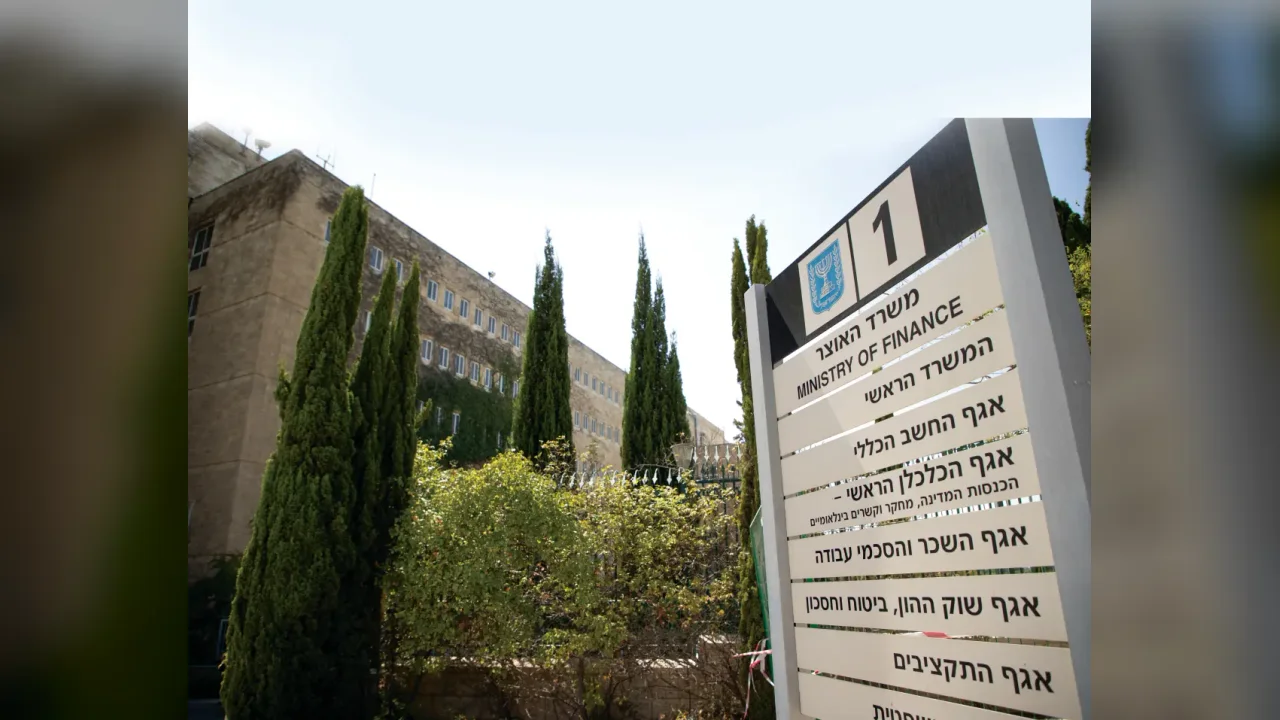
The council comprises representatives from the Water Authority, the Ministries of Finance, Environmental Protection, Interior, Agriculture, and Energy, alongside a public representative appointed by Energy and Water Minister Eli Cohen. Total sector costs are projected to surge by 835 million NIS in 2027, driven largely by rigid financial commitments. The approved 2.3% hike translates to an additional 259 million NIS in revenues, costing an average household about three shekels more per month.
Current Water Rates in Israel
Water pricing in Israel is tiered based on consumer categories. Households pay 8.51 NIS per cubic meter (1,000 liters) for the first 3.5 cubic meters per person monthly, after which the rate rises to 15.62 NIS per cubic meter. Businesses pay the higher rate for all consumption, while farmers enjoy significantly lower rates ranging from 1.5 to 2.7 NIS per cubic meter, depending on the regional availability of treated wastewater (effluents).
The Core Controversy
During the council plenary, two main factions emerged. The majority faction favored a lower price increase, arguing that water is a basic consumer good with inelastic demand that feeds into inflation. This group included representatives from the Ministries of Interior, Agriculture, and Energy, as well as the public representative. Conversely, the infrastructure-focused minority camp—comprising Water Authority professionals alongside the Ministries of Finance and Environmental Protection—advocated for a higher rate to fund crucial development projects.
Proponents of the larger increase argued that a 5.7% hike would allocate 30 million NIS to wastewater treatment plant guarantees, preventing environmental runoff and supplying cheap effluents to agriculture. Furthermore, it would fund the Kandel Committee recommendations, adding 44 million NIS to system maintenance, and oppose cuts to capital returns for water corporations. Supporters argued the difference of about five shekels per household monthly is negligible compared to the long-term necessity of maintaining robust sewage and water infrastructure.
International Comparison
Domestic water prices in Israel remain relatively low compared to water-rich European nations. The European average stands at 3.63 euros per cubic meter, whereas Israel's weighted tariff is currently 2.63 euros, rising to 2.69 or 2.78 euros following the upcoming adjustment. This affordability stems from advanced infrastructure combining Lake Kinneret water, groundwater, and desalination, maintaining minimal water loss rates of only a few percent compared to double-digit losses across much of Europe.