Ministry of Finance Reveals Foreign Buyers Account for 17% of Luxury Real Estate Sales
Ministry of Finance data reveals that foreign residents bought only 17% of luxury apartments over 10 million shekels in 2025, while developers increasingly rely on financing incentives as demand for fortified apartments remains high.
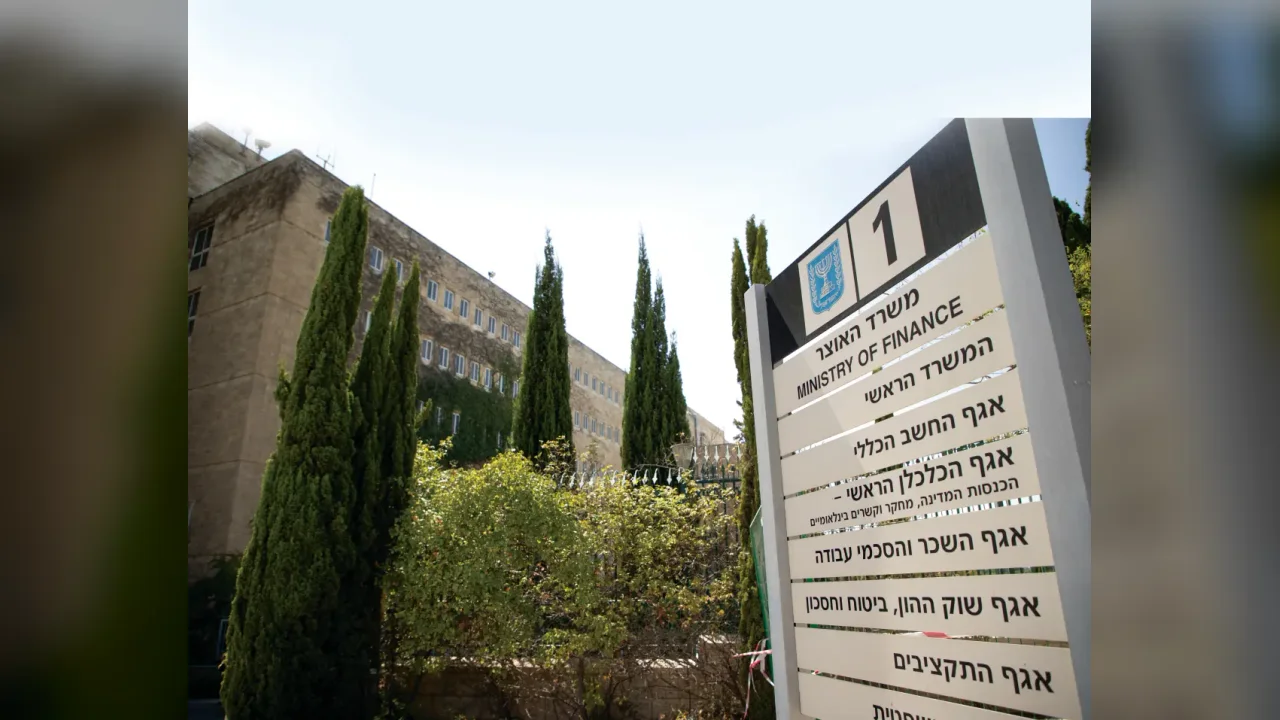
The luxury real estate market in Israel remains heavily dominated by domestic buyers, according to new data released by the Ministry of Finance. Galit Ben-Naim, Deputy Chief Economist at the Ministry, revealed that foreign residents accounted for only 17% of luxury apartment sales exceeding 10 million shekels in 2025, defying common assumptions of foreign market control, though the picture is sharply different in Jerusalem where non-residents drive about half of all high-end transactions.
At the same time, Ministry of Finance figures presented at the 2026 Urban Renewal Summit organized by the Real Estate Center and Madlan website show that developers are increasingly relying on aggressive financing incentives to sustain sales. In September, 45% of free-market apartments sold by contractors included financing incentives across the five monitored regions. This marks the highest rate recorded since March 2025, when the Bank of Israel imposed strict regulatory limits on such promotional financing packages. After dropping to just 20% in May, the proportion of subsidized deals has climbed steadily month over month since June.
Despite the widespread use of developer incentives, overall transaction volumes have remained virtually flat. Contractors sold approximately 1,800 free-market apartments nationwide in September, matching the figure recorded in the same month last year. Total sales of new apartments since the beginning of the year, including government-subsidized projects, stand at approximately 26,000 units. Ministry officials do not anticipate any significant deviation in free-market sales volumes compared to the previous year, pointing out that developers are currently paying significantly higher promotional costs to achieve the same sales figures.
Demand for fortified residential spaces, known as mamad, continues to surge in the secondary housing market despite the conclusion of recent military operations. In August 2026, 67.1% of second-hand apartment transactions involved properties equipped with a safe room, marking the highest percentage recorded since early 2024. By comparison, only 45% of the total housing stock across Israel features an integrated reinforced shelter. The pronounced preference for fortified homes is most striking in Jerusalem, where 74% of August transactions involved apartments with a mamad, even though only 36% of the city's overall housing inventory possesses one. In Haifa, the proportion of such secondary market transactions jumped sharply within a single month from roughly 47% to 58.7%.
Luxury market figures indicate robust activity at the high end, with 213 apartments sold for more than 10 million shekels in the final quarter of 2025, nearly matching the record high of 215 transactions set in late 2024. Meanwhile, housing inventory statistics show that 84,283 new apartments were listed for sale at the end of the second quarter. Since 2023, housing starts in the free market have consistently outpaced sales volumes by a widening margin, while the secondary housing market has remained sluggish over the past three years.