Israel Prepares for Major Urban Parking Reform Starting January 2027
A nationwide parking reform taking effect on January 1, 2027, will end citywide free parking for residents in large Israeli municipalities, dividing urban areas into zones and capping non-resident price differences.
Drivers in Israel are facing a major shift in urban parking regulations as a new national reform is scheduled to take effect on January 1, 2027. The sweeping changes, which were introduced via an amendment to the Traffic Ordinance, were previously postponed for two years from their original 2025 start date.
One of the most significant alterations affects residents of large cities who currently hold municipal parking permits and enjoy free parking across their entire hometowns. Under the new regulations, municipalities with a registered population of 120,000 or more will no longer be permitted to grant residents blanket exemptions from parking fees citywide purely based on residency.
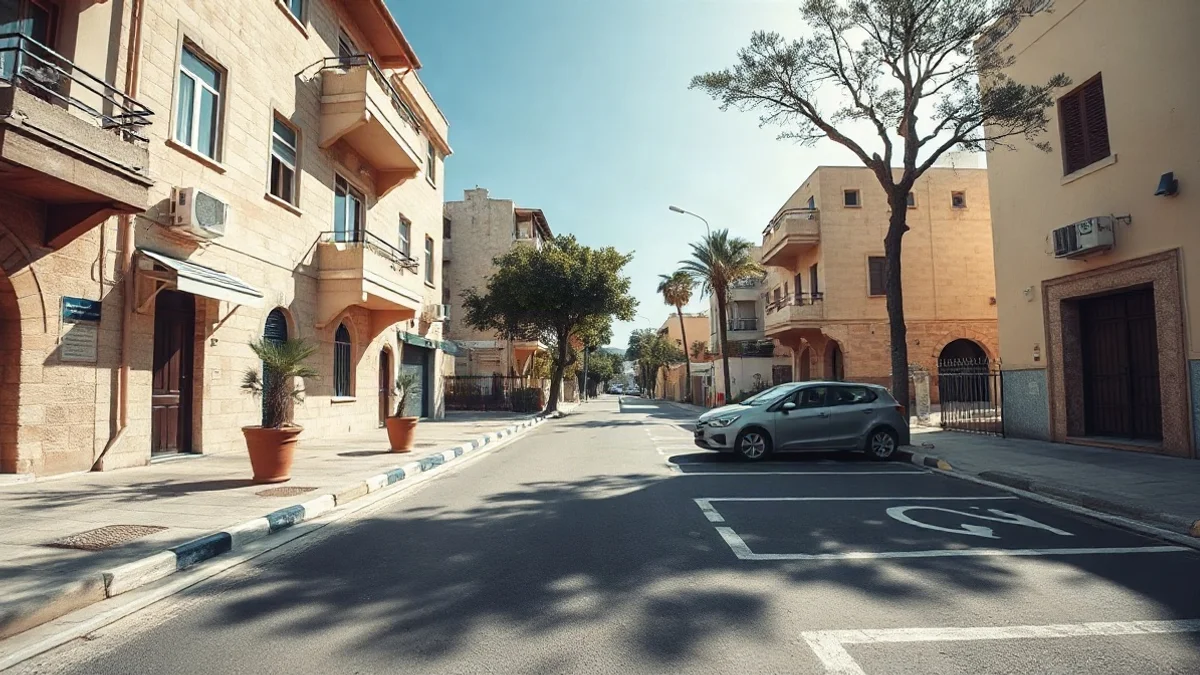
Instead, local authorities will be required to divide their cities into designated parking zones where residents can park free of charge. Consequently, a resident parking sticker will no longer guarantee free parking in all neighborhoods. Motorists traveling to commercial hubs, entertainment districts, or employment centers outside their residential zones may be required to pay standard parking fees.
At the same time, the reform does not represent a nationwide abolition of free parking. The mandate to divide cities into distinct parking zones applies strictly to municipalities with 120,000 or more registered residents. Smaller towns are not bound by this specific requirement, and even in larger cities, exact enforcement mechanisms will depend on local bylaws and municipal policies.
In addition to reshaping resident perks, the reform addresses parking fee disparities for visitors from other localities. According to the amended law, whenever a local authority sets different parking tariffs for residents and non-residents, the price gap between the two groups cannot exceed 30 percent.
This pricing cap will apply across all local authorities that differentiate between residents and visitors, rather than being restricted exclusively to major metropolitan areas. However, this does not mean parking prices will automatically drop, as the legislation does not establish a uniform hourly parking rate nationwide.
Cities such as Tel Aviv-Yafo have already implemented a zoned parking model, dividing the city into nine distinct sectors where valid permit holders park for free in their home areas. Non-resident visitors and residents parking outside their zones receive two hours of free parking daily, followed by a 30 percent discount on standard visitor rates, provided they activate a parking application.
Other municipalities are actively preparing for the 2027 rollout. According to local announcements, Holon will permit residents with valid regional stickers to park for free in blue-and-white zones. Households in Holon will be eligible for up to four digital permits, with the first sticker costing 13.6 shekels and subsequent permits priced at 67.8 shekels, indexed to inflation.
Drivers parking in Holon without a valid permit or payment arrangement will face a 100 shekel fine, while drivers with disabilities will retain their existing exemptions without needing to obtain municipal stickers. Authorities advise motorists to check local updates ahead of the 2027 deadline to understand how the new zoning rules will impact their daily commutes.