Haifa Cable Car Resumes Operation After Technical Malfunction Strands Passengers
A technical malfunction halted the Rakbalit cable car in Haifa on Thursday, stranding 16 passengers in mid-air. Rescue teams evacuated everyone after an hour and a half, and service resumed.
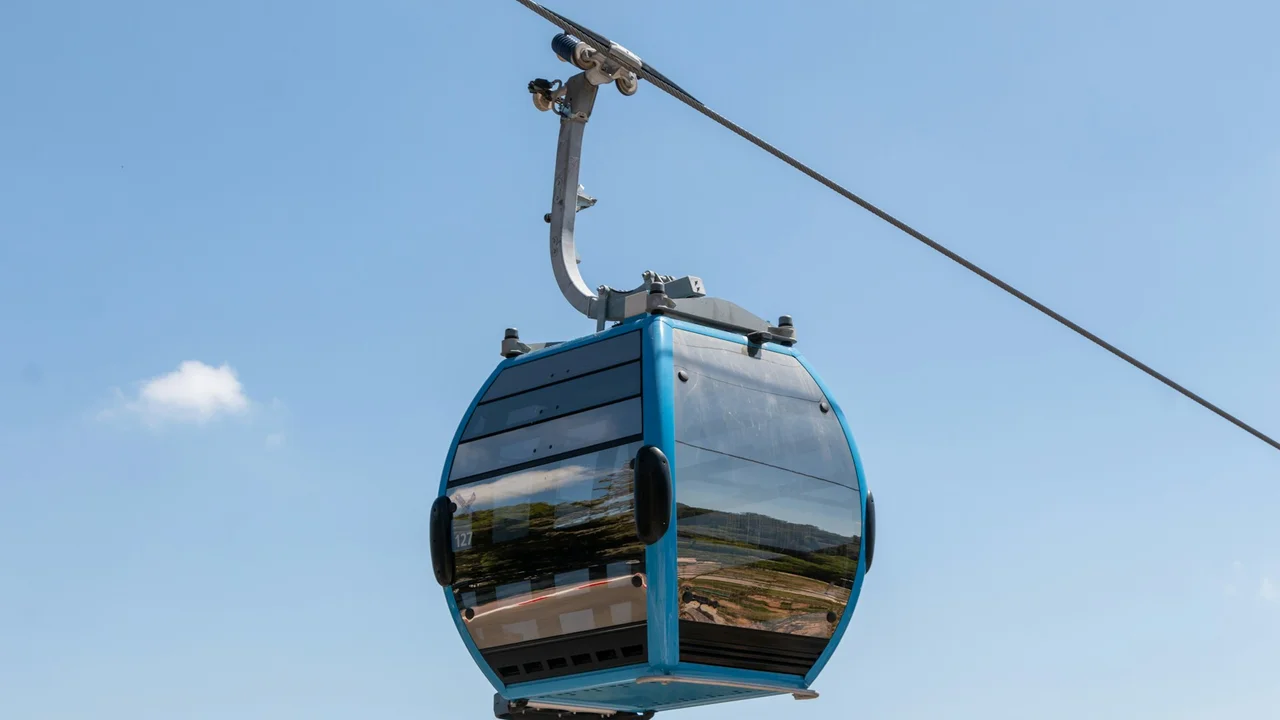
A technical malfunction halted the Rakbalit cable car system in Haifa, leaving passengers stranded in mid-air for about an hour and a half before rescue teams completed evacuations and service resumed.
The incident occurred on Thursday when the system, which transports numerous daily commuters and students to the Technion and the University of Haifa, stopped mid-journey due to a technical failure. Rescue teams managed to evacuate passengers from the section between the Dori station and the University of Haifa, but 16 passengers remained trapped in cabins suspended between the Dori station and Check Post.
Yazid Suleiman, CEO of the Rakbalit, addressed the incident in a statement to local media, explaining the field operations. "There is a technical fault and we are handling it. We need to replace a part at Check Post and then we will be able to release the 16 passengers stuck in the cabins on the section from Dori to Check Post. We separated the sections and lowered all the passengers who were in the cabins from Dori to the university," Suleiman stated.
According to management, after about an hour and a half since operations were halted, all passengers were safely rescued and the cable car system returned to full operation.
This incident drew particular attention as it occurred just days after the cable car was shut down for scheduled maintenance. Cable Express, the company operating the system, announced earlier in the month a planned multi-day shutdown to perform safety and maintenance works.
The Rakbalit, launched in 2022, is part of Haifa's public transportation network, connecting the Central Mifratz transport hub, the Technion, and the University of Haifa. The route spans approximately 4.4 kilometers, allowing students and residents to reach academic institutions via cabins operating above ground level.