Israel Tourism Faces Deep Crisis as Visitor Numbers and Billions Lag
Israel's incoming tourism sector faces a severe crisis in 2026, with visitor entries down sharply and economic losses exceeding six billion shekels.
Israel's incoming tourism sector is facing an unprecedented structural crisis, with traveler volume remaining severely depressed compared to pre-war benchmarks. According to data from the Central Bureau of Statistics, visitor entries between January and October reached 957,800, falling short of the Ministry of Tourism's 2026 target of 2.3 million entries. This performance trails the corresponding period in 2025 and stands in sharp contrast to the record-breaking 4.5 million visitors registered in 2019.
While outbound travel among Israeli citizens remains robust—surging to nearly 920,000 departures in June alone—hotels, tour guides, and local operators are contending with a persistent shortfall of foreign guests. The cumulative impact of military campaigns over recent years has eroded international appeal, leaving incoming tourism as one of the hardest-hit segments of the national economy.
Economic Toll Exceeds One Billion Dollars
The collapse in visitor numbers has inflicted a heavy financial toll on the broader economy. During the first half of 2026, foreign tourist expenditures in Israel totaled approximately $1.315 billion, down 57% from the $3.076 billion recorded during the same period in 2023. This creates a staggering shortfall of roughly $1.76 billion, exceeding 6 billion shekels within a six-month span.
Visitor entries for the first half of 2026 stood at roughly 430,000, compared to approximately 1.97 million in the first half of 2023. The economic damage extends far beyond the hospitality sector, rippling through restaurants, public transport, domestic airlines, cultural sites, and retail businesses that rely heavily on international tourist spending.
Vulnerable Tour Guides and Industry Workforce
The human cost of the downturn is particularly acute among licensed tour guides. The Israel Incoming Tour Operators Association estimates that two-thirds of the industry workforce has been forced to leave the sector.
Although the government approved a 43 million shekel aid package in May—allocating 35 million shekels for workforce retention and 8 million shekels for international marketing—industry professionals describe the funding as a safety net rather than a growth strategy. Approximately 2,500 licensed tour guides remain underemployed, with many turning to alternative professions in high-tech and education.
Guy Kellner, CEO of the Israel Incoming Tour Operators Association, emphasized the strategic necessity of government intervention:
"The new government must act decisively to restore tourism to Israel as a national priority. Incoming tourism is an economic growth engine that creates jobs and strengthens Israel's international standing and image, which have been severely damaged during recent years of crisis."
Regional Disparities and Aviation Bottlenecks
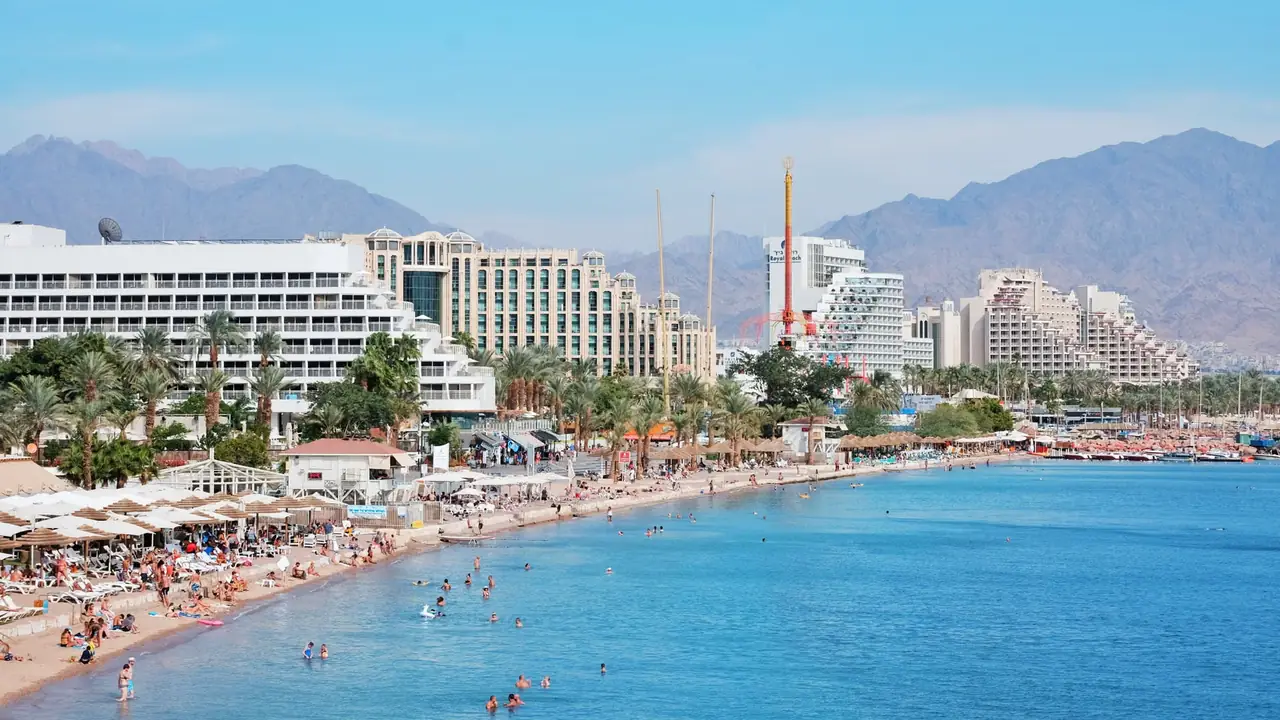
Hotel occupancy rates across Israel reflect a fractured domestic market. Between January and September 2026, nationwide hotel occupancy dropped to 50%. While Eilat maintained a strong 78% occupancy rate driven primarily by domestic vacationers, hotels in The North struggled with occupancies hovering around 25%, alongside severe challenges in Jerusalem and Nazareth.
Compounding the recovery challenge is the aviation bottleneck. With nearly all international visitors arriving via Ben Gurion Airport, the prolonged absence of major foreign carriers—including American Airlines, Ryanair, and easyJet—remains a critical hurdle. Industry leaders continue to advocate for a unified national task force to coordinate travel advisories and airline incentives across the Ministries of Transport, Foreign Affairs, and Finance.
As the government prepares its upcoming fiscal framework, officials will also revisit the contentious VAT exemption for foreign tourists on lodging and car rentals, a policy debate that continues to divide economic policymakers and tourism advocates.