Decades of Covert Defense Ties Between Israel and Sri Lanka Revealed
A new academic analysis reveals decades of covert security cooperation between Israel and Sri Lanka, surviving diplomatic tensions, arms deals, and strategic shifts.
Despite Sri Lanka's long-standing pro-Palestinian stance in international forums, a robust covert security relationship has quietly persisted between Jerusalem and Colombo for decades. According to a recent analysis published by Dr. Punsara Amarasinghe at the Begin-Sadat Center for Strategic Studies, defense ties have consistently survived diplomatic friction and even official ruptures.
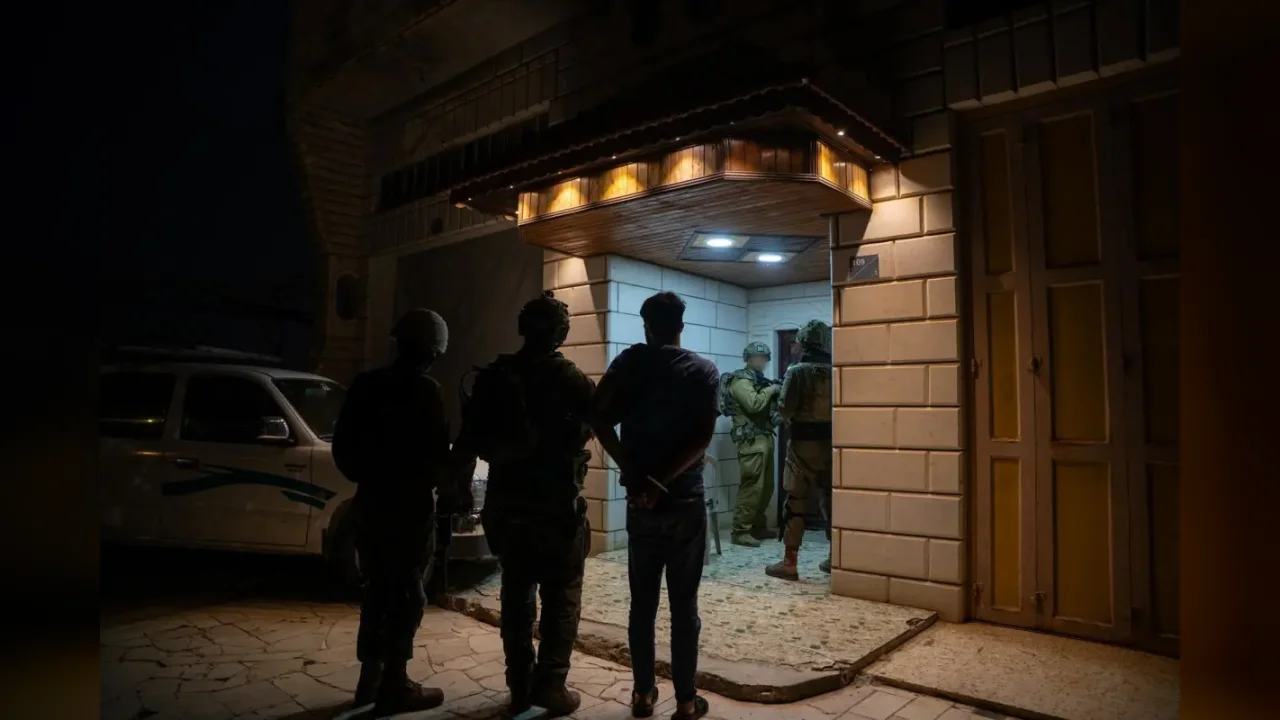
The military partnership expanded significantly during the 1980s as Sri Lanka faced a grinding insurgency against the Liberation Tigers of Tamil Eelam (LTTE). Seeking external assistance, Colombo turned to Israel, which quickly became a key arms supplier. In 1984, operatives from the Israel Security Agency (Shin Bet) deployed to Colombo to train the inaugural cohort of the Special Task Force (STF). While historical speculation has linked the LTTE's 1984 bombing of the Oberoi Hotel in Colombo to the presence of Israeli advisers, this remains an unproven hypothesis.
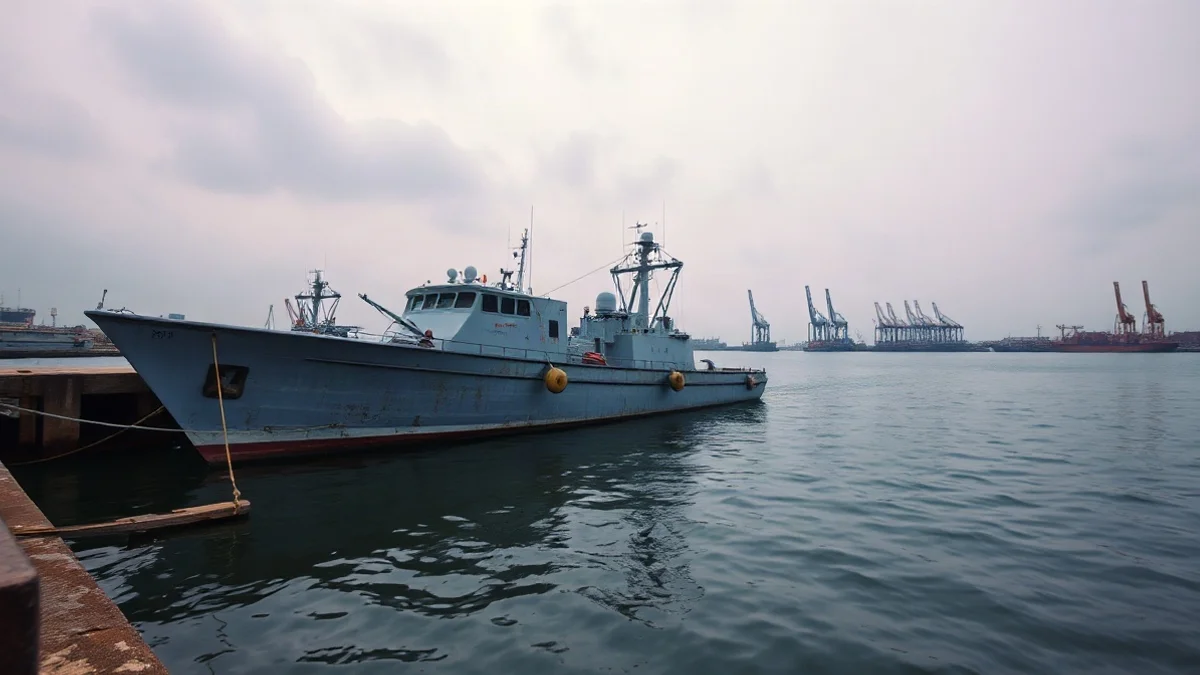
Throughout the 1990s and early 2000s, bilateral defense trade flourished, focusing heavily on naval assets. The Sri Lankan Navy integrated Israeli Dvora patrol craft and subsequently acquired two Sa'ar 4-class missile boats in 2001. Local naval capabilities were further augmented by Shaldag-class fast patrol boats designed by Israel Shipyards, inspiring Colombo to locally manufacture derivative fast attack craft. Concurrently, the Sri Lankan Air Force procured Kfir fighter jets in 1995 and 2000, which played a pivotal role in counter-insurgency operations. One Kfir squadron reportedly logged over 2,800 operational flight hours and dropped more than 3,500 tons of ordnance.
Notwithstanding extensive military cooperation, diplomatic relations remained delicate due to Sri Lanka's domestic Muslim minority and traditional ties with Arab states. However, overriding security imperatives continually steered Colombo's policy. During a severe military setback against the Tamil Tigers in 2000, then-President Chandrika Kumaratunga formally established a permanent embassy in Tel Aviv.
Bilateral defense procurement was occasionally mired by commercial controversies and allegations of brokerage corruption involving intermediaries. A sensitive diplomatic inflection point occurred in 2007 under President Mahinda Rajapaksa, when Israel briefly suspended arms shipments over concerns that sensitive military technology might be leaked to Iran, which was then providing aid to the Sri Lankan government. Following the conclusion of the civil war in 2009, security relations gradually normalized, culminating in a cyber-defense agreement and a landmark $50 million Kfir modernization contract awarded to Israel Aerospace Industries (IAI) slated for 2026.