Israeli Retail Sees Slight Declines as Tourism Drops Amid Security Fears
Israel's retail sector saw slight declines last week, led by a double-digit drop in tourism amid security fears, according to the Phoenix Gamma Index.
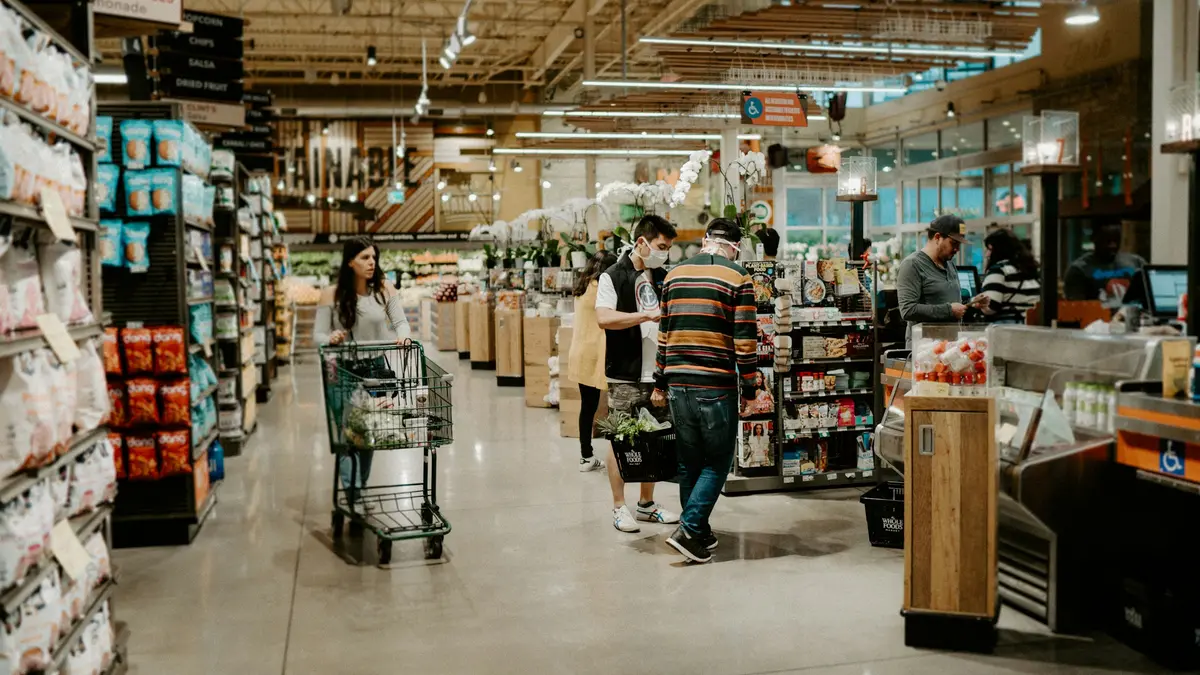
Consumer spending across most major retail sectors declined slightly over the past week, while the tourism industry suffered a double-digit drop amid ongoing security uncertainties, according to the Phoenix Gamma Index.
Data shows that Monday was the strongest sales day of the week. The sharp decline in tourism is driven by security concerns and fears of a potential military escalation with Iran, which are deterring Israelis from booking future vacations.
Sector Performance and Electronics
Appliance and electronics sales fell by 9% in total turnover following two consecutive weeks of growth. The number of transactions decreased by 13%, though the average transaction size rose by 6% to 1,611 NIS.
Generally, October is considered a relatively subdued month for retail as it serves as a transitional period between the Tishrei holidays and the upcoming November shopping events. Experts at Phoenix Gamma suggest that election day closures and special retail promotions could alter this trend.
Fashion and Upcoming Election Sales
This may particularly impact the fashion and footwear sector, which posted a modest 1% increase in turnover compared to the previous week. While physical stores saw mixed trends, online sales grew by 9% in turnover and 6% in transaction volume, with an average transaction of approximately 222 NIS.
On election day, retailers are rolling out aggressive promotions, including a 50% discount on second items at Adidas in the Tel Aviv Port, tax-free purchases across all Castro stores and websites, and 30% off the entire Lee Cooper winter collection.
Nadav Lachmanov, CEO of Control at Phoenix Gamma, noted that the recent declines follow the previous week's gains. The central question is whether the public will engage in election-day shopping as usual, while retailers face the challenge of convincing consumers to buy now rather than waiting for deeper November discounts.