Israel Average Monthly Rent Rises 3.6% to 5,132 Shekels in Q3 2026
Central Bureau of Statistics data for Q3 2026 shows Israel's average monthly rent rose 3.6% to 5,132 shekels, led by Tel Aviv at 7,488 shekels and Beersheba at 3,198 shekels.
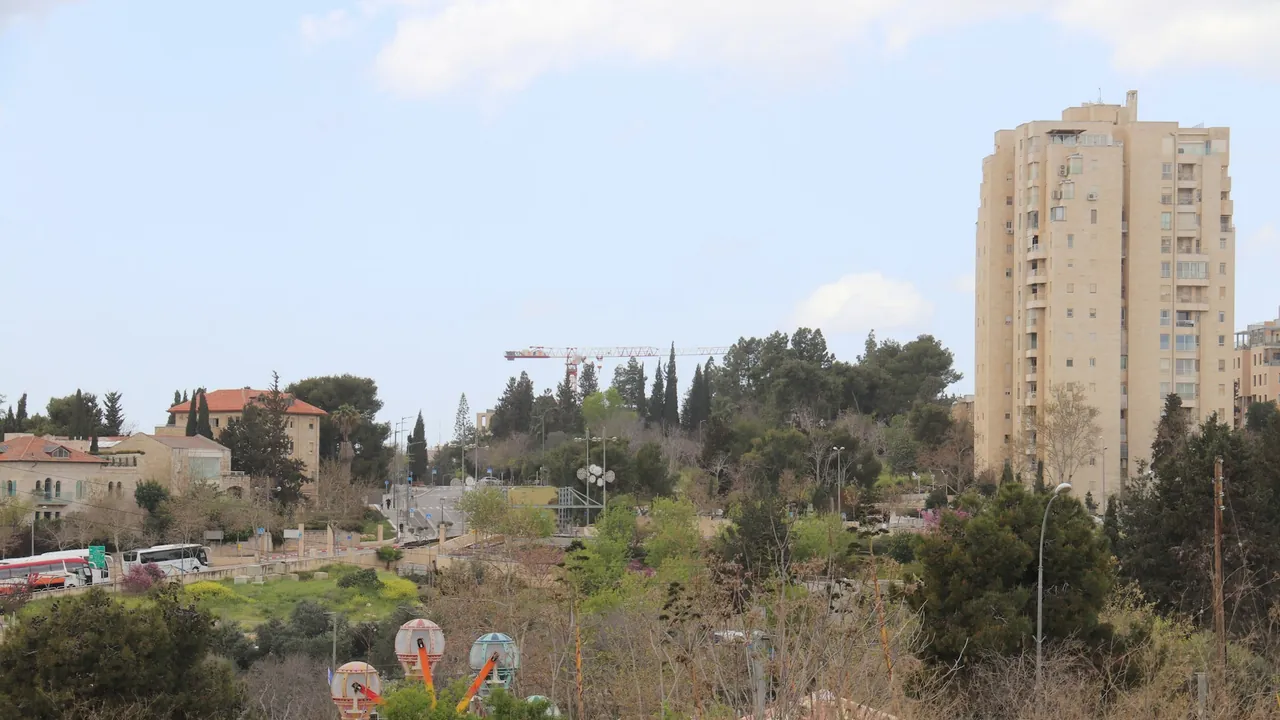
While home purchase prices in Israel soften, residential rental rates are climbing, creating a rare market dynamic. Typically, property values and rental costs move in tandem, but elevated interest rates have broken this correlation. Landlords are passing higher financing costs onto tenants. At the same time, increased mortgage origination volumes have slowed housing price growth, though economists note it remains uncertain when the tipping point will arrive where tenants opt to purchase homes instead.
Market Pressures and Central Bureau of Statistics Data
Underlying structural issues continue to plague the rental sector, including low supply and limited state land releases for long-term rentals, which developers frequently bypass due to high interest rates. According to Central Bureau of Statistics figures for the third quarter of 2026, the nationwide average monthly rent reached 5,132 shekels, marking a 3.6 percent increase from 4,952 shekels during the same period last year. This translates to an additional 180 shekels per month, or 2,160 shekels annually. Tenants renewing existing contracts experienced a 2.8 percent rent hike, whereas newcomers swapping apartments faced a sharper 5.5 percent increase.
Tel Aviv remains the most expensive city for renters, commanding an average monthly rent of 7,488 shekels. Herzliya follows at 6,834 shekels, Kfar Saba at 6,237 shekels, and Ramat Gan at 5,974 shekels. Herzliya also saw significant annual growth, surging 6.3 percent compared to last year. Meanwhile, Beit Shemesh recorded the steepest percentage increase nationwide, jumping 11.6 percent from 4,550 shekels to 5,078 shekels per month, representing an extra 528 shekels monthly or over 6,300 shekels per year.
Regional Disparities and Apartment Sizes
For those seeking more affordable housing, Beersheba stands out as the least expensive among the 18 surveyed cities, with an average monthly rent of 3,198 shekels. Haifa follows at 3,438 shekels and Ashkelon at 3,708 shekels. However, municipal averages can obscure neighborhood variations; renting in premium districts commands considerably higher premiums.
An examination of apartment sizes highlights stark geographic divides:
- Larger apartments (3.5 to 4 rooms) in Tel Aviv average 8,919 shekels per month, compared to 5,615 shekels in Rishon LeZion and 5,279 shekels in Bat Yam. The annual gap between Tel Aviv and Bat Yam alone reaches approximately 43,700 shekels.
- In Haifa, the average monthly rent for a 3.5 to 4-room apartment drops to 4,099 shekels, while Beersheba records 3,520 shekels.
- Nationwide averages by size indicate 3,789 shekels for 1 to 2-room units, 4,492 shekels for 2.5 to 3-room apartments, 5,497 shekels for 3.5 to 4-room flats, and 7,195 shekels for apartments with 4.5 rooms or more.
Central Bureau of Statistics officials emphasize that average rent figures incorporate shifts in apartment composition and quality across quarters rather than strictly tracking identical units over time, meaning localized neighborhood mixes can drastically alter annual expenditure.