Israel Real Estate Market Navigates Slowdown Amid Cautious Buyers and Rate Cuts
Israel's real estate market faces a slowdown driven by economic uncertainty and cautious buyers, though experts anticipate a recovery by 2027 amid falling interest rates.
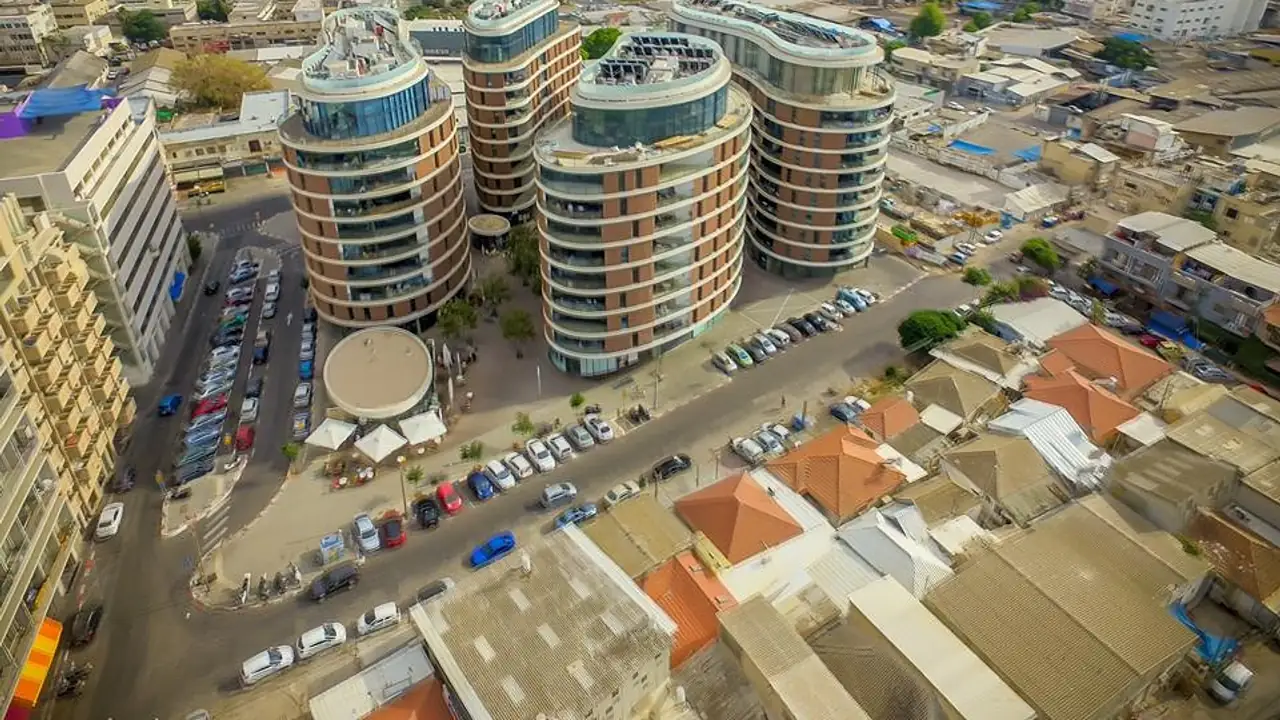
The real estate market is currently navigating a period of notable slowdown, characterized by cautious buyers and price adjustments initiated by contractors, particularly in the secondhand housing segment. Properties lacking a protected space, known as a mamad, are pulling down overall price averages as buyers increasingly prioritize safety features. Despite this cautious atmosphere, industry leaders emphasize that the market is experiencing a deceleration rather than a complete standstill, with sustained activity in specific regions such as Rehovot, Ness Ziona, and Yavne.
The Impact of Interest Rates and Economic Uncertainty
While the Bank of Israel has lowered the benchmark interest rate to 3.25% with expectations of further reductions, interest rates are not the sole driver of the current market slowdown. Broader economic and geopolitical uncertainties, including upcoming elections and ongoing security challenges, play a significant role. Many prospective buyers, despite having the financial capability to purchase a home, choose to adopt a wait-and-see approach until market stability and predictability are restored.
According to former contractors' association chairman Avi Zeitouni, profitability within the development sector has also faced severe erosion due to rising construction costs, labor shortages, and expensive financing. In some cases, developers are forced to sell properties at or near a loss to maintain cash flow and meet credit obligations. However, market experts remain optimistic about 2027, anticipating that a combination of lower borrowing costs, potential reductions in purchase tax regulations, and the formation of a stable government could revitalize transaction volumes and restore consumer confidence.