Israel Faces Widespread Price Hikes Across Utilities, Fuel, and Food
Israeli households face a sweeping wave of price hikes covering electricity, water, municipal taxes, transport, and food, driven by severe fiscal pressures and expiring state subsidies.
Israeli households face a comprehensive wave of price increases across electricity, water, municipal taxes, public transport, fuel, and food. The mounting cost-of-living pressure stems from severe fiscal challenges, expanding defense expenditures, and the expiration of key state subsidies.
The national budget faces acute strain driven by a larger defense budget, the forfeiture of US military aid, and growing demands from civilian ministries to accommodate population growth and post-war reconstruction. These pressures threaten to trigger broader tax hikes alongside consumer price increases.
Specific Sectors Facing Hikes
Utility tariffs are climbing steadily, with electricity rates projected to rise by 2% at year-end due to production and operational cost adjustments. Water prices are set to increase by 3% to 5% to fund pumping, desalination, and infrastructure upgrades, while an earlier algae crisis had a negligible financial impact. Meanwhile, urban public transport fares are slated to jump to 8.4 shekels as a subsidy mechanism introduced under Minister Miri Regev expires, with funds theoretically returning to service enhancement.
Fuel costs are projected to jump by at least 0.50 shekels per liter as the temporary reduction in the excise tax expires without a planned extension, compounded by a strengthening US dollar. Concurrently, municipal property taxes (Arnona) will rise by at least 3% via automatic indexing, though nearly all local authorities are petitioning for steeper hikes, adding 200 to 400 shekels annually to the average household bill.
Food Pressures and Political Hurdles
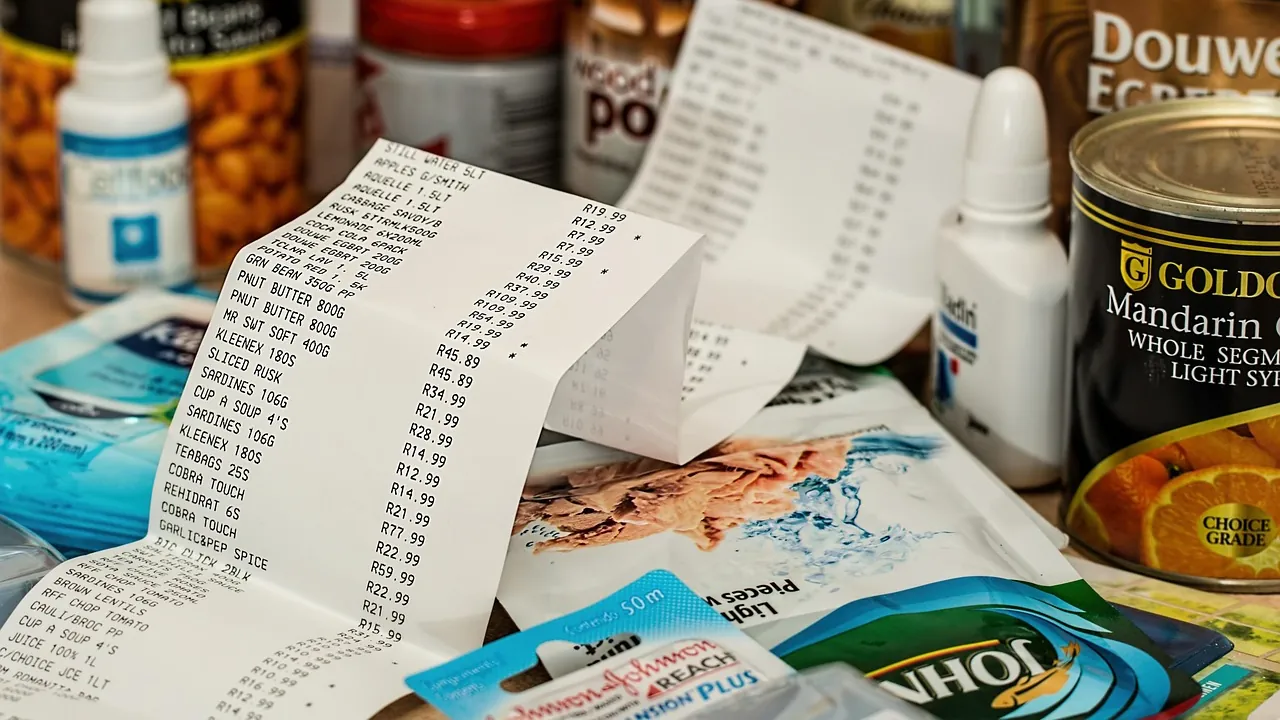
Food prices represent the most acute vulnerability for consumers. A stronger dollar is inflating import costs, which traditionally pulls local agricultural and manufactured goods higher. Local producers are also grappling with escalating municipal taxes, electricity, and water overheads, raising the likelihood of widespread price adjustments.
The political transition complicates efforts to counter the inflation wave. A newly formed government would have narrow windows to intervene, while the current caretaker administration is constrained by automatic price adjustments, market-driven food costs, and stringent legal counsel requirements that make halting price hikes practically unfeasible.