Israel Sets First Shore Power Tariffs to Cut Port Air Pollution
Israel proposes a maximum tariff of 9,153 NIS per connection and 73 agorot per kWh for shore power at ports to cut emissions, as ZIM connects its first container ship.
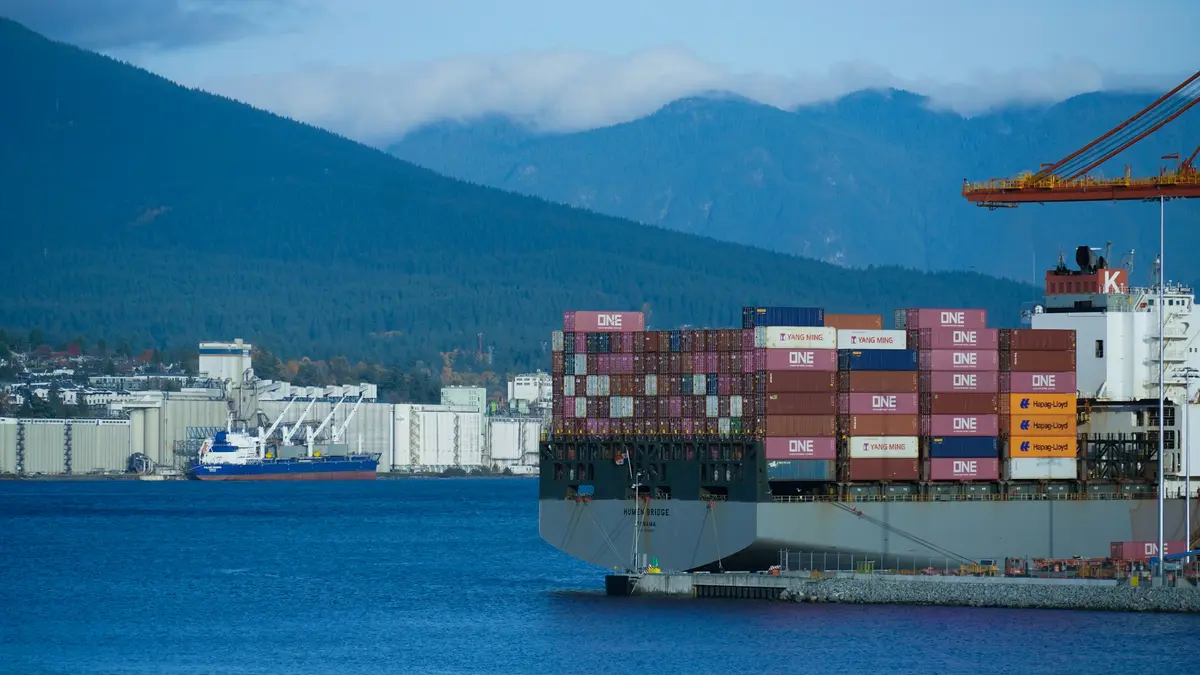
Israel is taking a significant step toward cutting port pollution by introducing a capped pricing structure for onshore power supply to docked ships, aiming to replace polluting marine diesel engines with electricity from the shore.
According to a joint pricing committee comprising the Ministry of Finance and the Ministry of Transportation, the proposed maximum tariff is set at 9,153 NIS for connecting a vessel to the system, alongside 73 agorot per kilowatt-hour (kWh) of electricity. Although shore power infrastructure has already been established at the new ports in Haifa and Ashdod, it has remained largely unused due to the previous lack of regulated tariffs. The recommendations will be published for public review until the end of the month before receiving final approval from the ministers of transportation and finance.
Economic Incentives and Environmental Impact
The proposed tariffs function as price ceilings rather than mandatory fees, allowing port operators to offer shipping companies lower rates to encourage the adoption of green technology. The utilization of shore power enables vessels to shut down their auxiliary engines while docked, effectively halting the burning of fuel used to power cooling, lighting, and air conditioning systems. This shift significantly reduces emissions of carbon dioxide and harmful air pollutants such as nitrogen oxides and respirable particulate matter, while simultaneously lowering noise and vibrations near residential areas.
The proposed Israeli electricity rate of 73 agorot per kWh is relatively competitive, standing about 16% lower than the European average, where port electricity prices typically range between 0.18 and 0.51 euros, averaging around 0.25 euros (approximately 87 agorot) per kWh. However, overall economic viability depends on vessel compatibility and additional connection fees, which vary internationally.
Expanding Green Infrastructure
Infrastructure for supplying electricity to ships was originally installed by Israel Ports Company (IPC) during the construction of Haifa Bay Port and South Port in Ashdod. Despite this, until recently, only a single vessel connection had been recorded. This week marked a breakthrough when a ZIM Integrated Shipping Services container ship successfully connected to the grid at Haifa Bay Port, signaling a potential turning point for local maritime operations.
The regulatory push is especially critical for Haifa Bay, a major industrial hub known for chronic air pollution and severe spikes in emissions. Yoav Zuckerman, Deputy CEO of Haifa Bay Port, emphasized the environmental milestone:
"Bay Port is proud to be at the forefront of technological and environmental progress in Israel. The connection of the ZIM vessel demonstrates the port's readiness and advanced infrastructure for green technologies on an international scale."
Shai Bakal, VP of Operations and Control at Israel Ports Company, added that the successful operation proves the system's potential and supports the broader transition toward sustainable port activities across the country.