Smart Car Buying Strategies to Save Tens of Thousands of Shekels in Israel
Intense competition in the Israeli car market grants buyers strong bargaining power for new vehicles. Smart negotiation, strategic timing, and market research can yield massive savings.
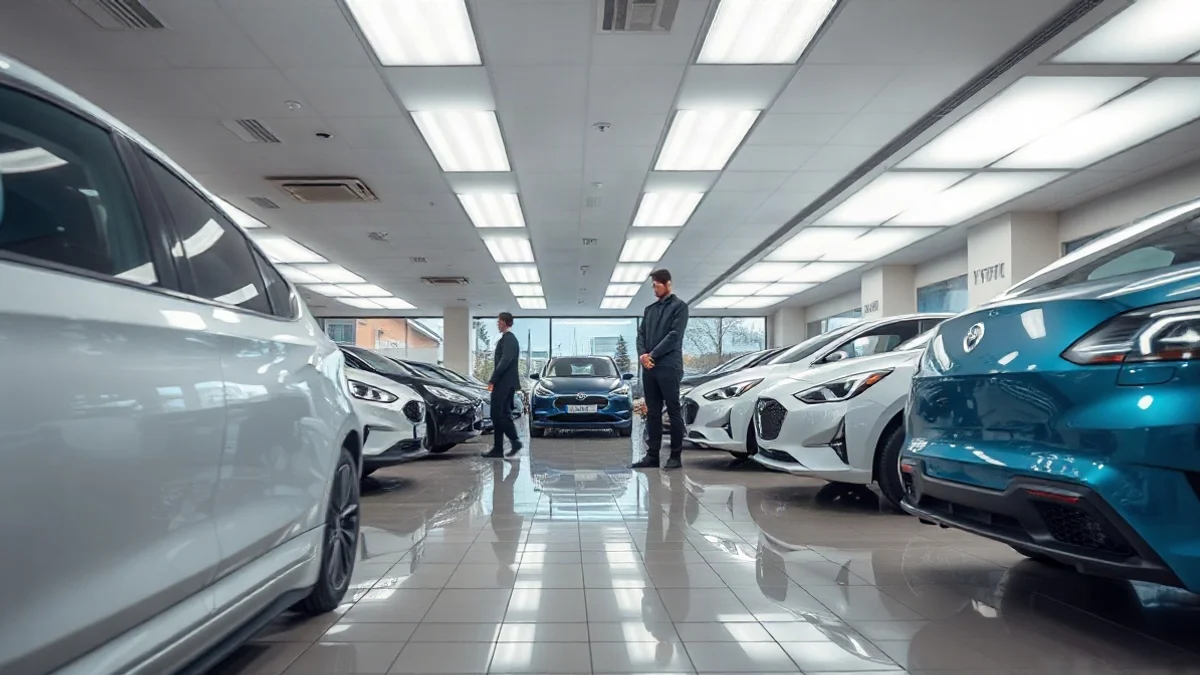
Intense competition across the local automotive market is significantly strengthening the bargaining power of prospective buyers, offering substantial savings for those who time their purchases strategically. Currently, Israel features 51 active automotive brands marketing over 200 distinct models within the high-demand price bracket of 120,000 to 250,000 shekels, encompassing electric, hybrid, and plug-in powertrains alongside traditional options.
This vast array of choices, compounded by a rapid influx of new models from China, zero-kilometer discounted inventory, and fading brand loyalty, often leaves consumers overwhelmed. Industry analysts note that decision fatigue frequently leads buyers to either postpone purchases entirely or resort to crowd-following behavior. Similar consumer hesitation driven by overwhelming market options has recently been documented abroad, particularly in China.
Leveraging Price Lists as Negotiation Starters
The Israeli automotive market has evolved from a seller-dominated environment into a buyer-friendly landscape where dealership staff face mounting pressure to finalize transactions. While a few popular Japanese and Korean models maintain stable pricing, most showrooms are open to considerable haggling. Buyers can now secure discounts and perks previously reserved for corporate fleets, even on vehicles carrying aggressive introductory price tags.
Automotive experts recommend several actionable strategies to maximize savings before finalizing a deal:
- Early Shopping: Visit multiple competing showrooms to gather written price quotes that can be leveraged against rival dealerships.
- End-of-Period Timing: Execute purchases near the end of the month, quarter, or calendar year when sales representatives are under intense pressure to meet quotas.
- Market Research: Investigate upcoming model refreshes or technological updates to gain critical leverage during price negotiations.
- Trade-In Consolidation: Direct bargaining power toward official trade-in deals with importers to bypass the complexities of private used-car sales.
- Subsidized Financing: Secure zero-interest financing packages that can shave significant costs off the total purchase over a multi-year period.
Navigating Trade-Ins and Financing Perks
Selling a used vehicle before upgrading has become increasingly challenging due to the saturated secondhand market and competition from discounted zero-kilometer fleets. Official trade-in values offered by official importers typically sit 10% to 20% below standard market valuations. However, this route provides a reliable alternative to prolonged private negotiations.
Additionally, desperate dealers are increasingly utilizing subsidized financing to move aging stock. Interest-free loans covering up to 100,000 shekels can yield substantial savings over a three-year span compared to external financing options. Buyers are advised to ensure these financial incentives supplement direct price discounts rather than replace them.
The Impact of Rapid Technological Cycles
The accelerating pace of automotive innovation, particularly among Chinese manufacturers, has drastically shortened product lifecycles from the traditional three-to-seven-year window down to a single year. Importers frequently market vehicles while knowing that upgraded successor generations have already debuted overseas.
Knowledgeable buyers can leverage upcoming model replacements to extract deeper discounts from dealerships eager to clear out existing inventory. While technological leaps such as 800V electrical architectures, advanced battery ranges, and upgraded autonomous sensor suites may not be essential for every driver, awareness of these impending upgrades serves as an effective tool for securing significant price concessions.