Popular Biotin Hair Supplements Can Dangerously Disrupt Routine Blood Tests
Popular biotin supplements used for hair growth can severely skew critical blood tests, including heart attack and thyroid screenings, posing hidden medical safety risks.
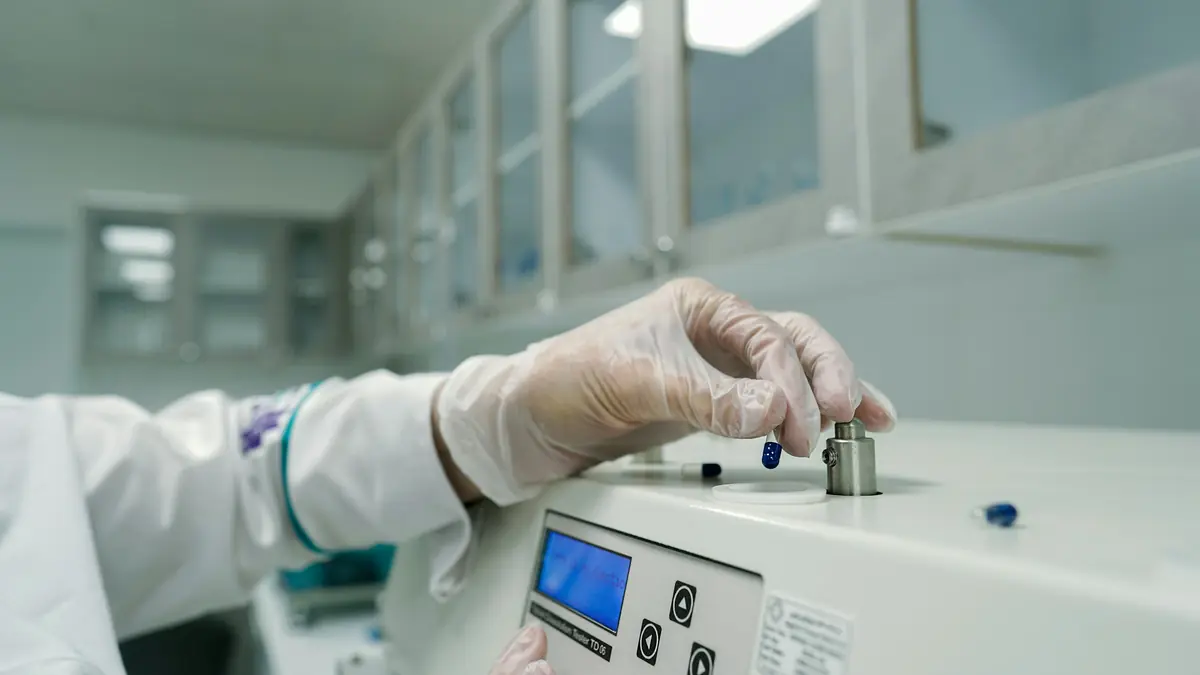
Hair loss affects millions of individuals globally, prompting many to turn to dietary supplements in search of stronger and healthier hair. One of the most popular ingredients in these products is biotin, also known as vitamin B7. However, alongside the promise of fuller hair, consuming high doses of this over-the-counter supplement can trigger significant medical complications by skewing routine and critical blood test results.
The Hidden Risks of High-Dose Biotin
Experts speaking to the press emphasize that this safety hazard is frequently overlooked. Biotin occurs naturally in foods such as meat, poultry, egg yolks, nuts, sweet potatoes, and avocados. Yet, it is widely consumed through pills and gummy candies marketed for hair and nail strengthening. The core issue lies in the exceptionally high dosages found in some supplements, ranging between 5,000 and 1,000 micrograms. This vastly exceeds the recommended daily dietary allowance for adults, which stands at approximately 30 micrograms. Because these products are sold without a prescription, consumers often assume they are completely safe and begin taking them without consulting a physician or pharmacist.
Certain diagnostic blood panels rely on chemical binding processes that utilize biotin to measure various substances in the bloodstream. When the body accumulates excess levels of the vitamin from supplements, it interferes with these chemical assays, causing measured values to appear falsely elevated or depressed. Such inaccuracies can prove critical, pointing toward non-existent medical conditions or masking genuine underlying pathologies. Consequently, clinicians might inappropriately alter medication dosages, administer incorrect treatments, or delay necessary interventions.
Impact on Critical Diagnostic Tests
One of the most alarming concerns involves troponin testing, a cardiac biomarker measured in the blood to help diagnose heart attacks. Ingesting high doses of biotin can cause falsely low troponin readings, thereby complicating the detection of a myocardial infarction and delaying urgent clinical intervention. Thyroid function tests are similarly vulnerable. Biotin can induce falsely low readings of thyroid-stimulating hormone alongside falsely elevated levels of T3 and T4 hormones, potentially mimicking hyperthyroidism.
The list of vulnerable diagnostics also encompasses tests measuring vitamin D levels, calcium regulation, and sex hormones. According to specialists, the interference can extend to infectious disease screenings, including hepatitis B, hepatitis C, and syphilis, as well as tumor markers such as the prostate-specific antigen test used to screen for prostate cancer. Nevertheless, not all blood tests are susceptible to biotin interference. Complete blood counts and numerous metabolic panels evaluating kidney and liver function, alongside electrolyte levels, generally utilize measurement methods unaffected by the vitamin.
Guidance for Patients and Medical Professionals
Specialists advise consulting a healthcare professional before initiating biotin supplementation and informing physicians of exact dosages if a regimen is already underway. When daily consumption remains below 1,000 micrograms, the impact on laboratory results is typically minimal, though disclosure remains essential. Regarding the cessation of use prior to scheduled blood work, the general recommendation is to wait at least eight hours between taking the vitamin and having blood drawn, though a 72-hour window is preferred by many clinicians.
The required clearance period varies depending on the specific dosage and the nature of the diagnostic assay, making professional medical guidance crucial. Furthermore, in suspected medical emergencies, patients must never delay seeking immediate care to allow biotin to clear from their system; instead, they should report supplement use directly to the attending medical team. Beyond diagnostic interference, experts question the actual efficacy of the supplement. Although biotin has long been marketed as a remedy for thinning hair and brittle nails, scientific evidence confirming that extra doses stimulate hair growth in individuals without a deficiency remains scarce.
True biotin deficiency is rare among people maintaining a normal, balanced diet. Consequently, consuming high doses without a clinical indication offers no guaranteed cosmetic benefit while introducing substantial risks to medical diagnostics. While some alternative hair-growth supplements are now manufactured without biotin, medical professionals stress that addressing hair loss requires investigating the underlying root cause rather than relying solely on over-the-counter remedies.