Israeli Housing Prices Slip 0.7% in Q3 Amid Security and Political Uncertainty
A comprehensive real estate analysis for Q3 2026 by appraiser Ohad Danus reveals a 0.7% quarterly price drop across 17 Israeli cities, driven by security and political uncertainty.
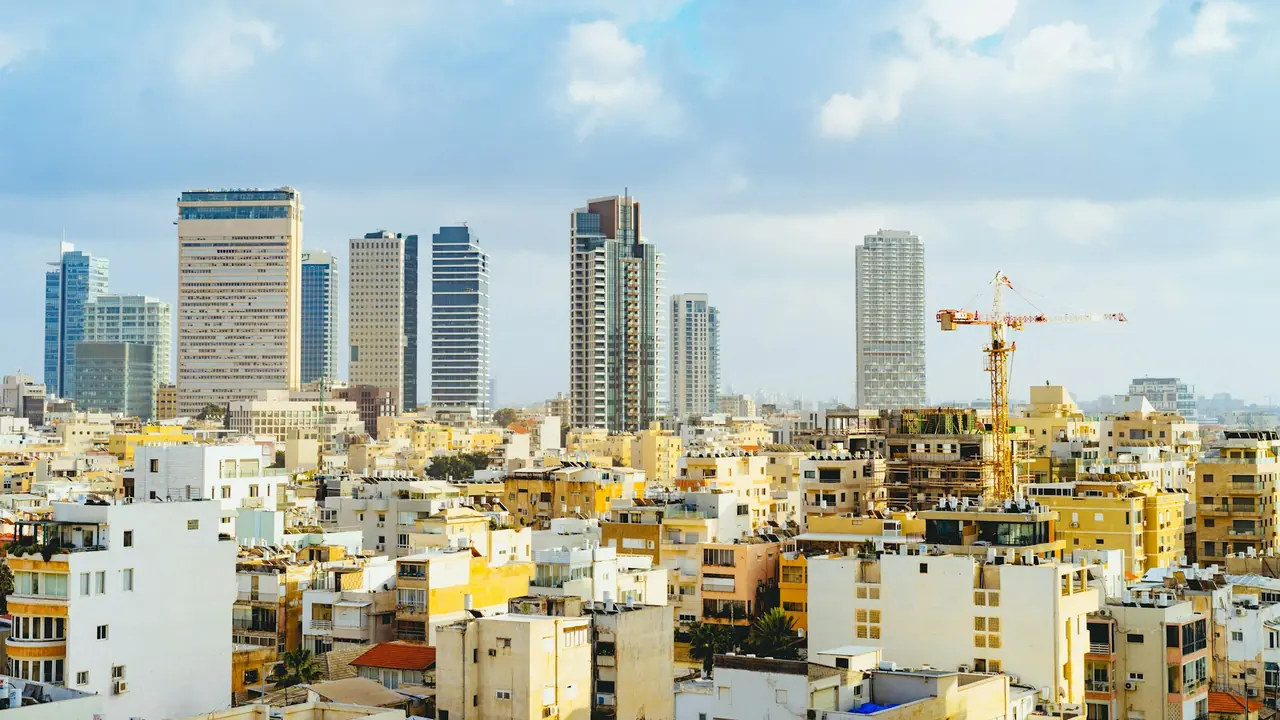
Israeli apartment prices edged down by 0.7% in the third quarter of 2026 compared to the previous quarter, according to a comprehensive market analysis released by real estate appraiser Ohad Danus. The survey, which evaluated 2,619 transactions across 17 cities, also pointed to a slight average nominal decrease of 0.8% year-over-year, reflecting a broader cooling trend in the national housing market.
To maintain analytical precision, Danus’s review focused strictly on standard four-room apartments in multi-story residential buildings. The methodology deliberately excluded apartments with five or more rooms due to high structural variations—such as attached rooftops and courtyards—as well as units with three rooms or fewer, which suffer from a relative scarcity of transactions in most urban markets. Partial sales and discounted state-sponsored housing units were likewise filtered out to isolate baseline market trends.
Regional Trends and Price Dispersion
The quarterly data showed mixed localized trajectories: prices increased in 7 out of the 17 surveyed cities, remained unchanged in one, and declined in nine. The analysis highlighted distinct patterns in price variance. High internal price dispersion characterized major urban centers like Tel Aviv, Jerusalem, and Haifa, driven by stark disparities between luxury districts, newly developed areas, and more affordable neighborhoods. Conversely, lower variance was recorded in cities with relatively homogeneous demographics, including Ashdod, Ashkelon, Beersheba, and Rehovot.
Unusual annual price contractions were registered in Ramla and Ramat Gan, while atypical price increases on low transaction volumes occurred in Beersheba, Haifa, and Tel Aviv. Danus noted that transaction volumes are currently stagnating—falling below previous quarters while remaining higher than the same period last year.
"The real estate market has returned to a waiting period characterized by a scarcity of transactions alongside profound uncertainty," Danus observed, pointing to security concerns regarding potential escalation with Iran and other regional fronts, alongside political instability following recent national elections.
Notably, Beersheba emerged as the unexpected standout performer of the quarter, displaying a sustained and impressive economic recovery despite the subdued national backdrop.