Severe Floods Strike Israel Amid Heavy Rains as Comptroller Warns of Infrastructure Lags
Severe weekend storms across Israel caused massive flooding, road closures, and localized emergencies, highlighting long-standing infrastructural deficiencies and sluggish government response according to state comptroller reports.
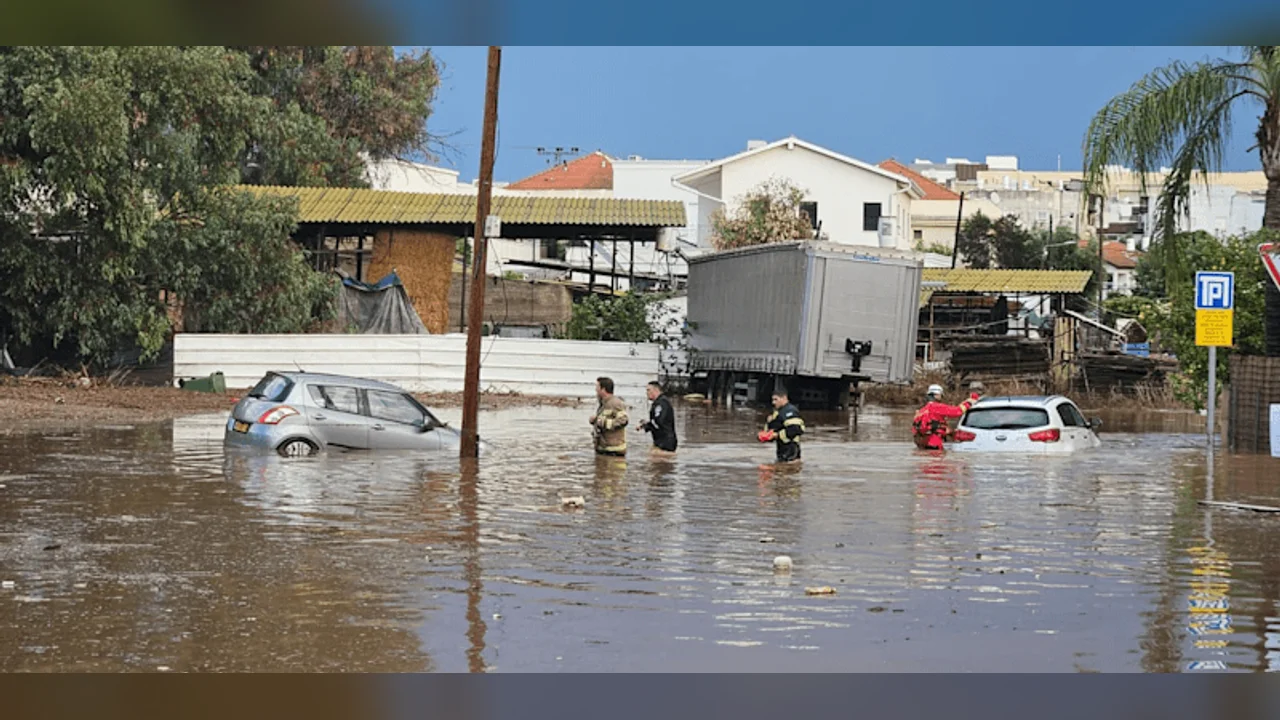
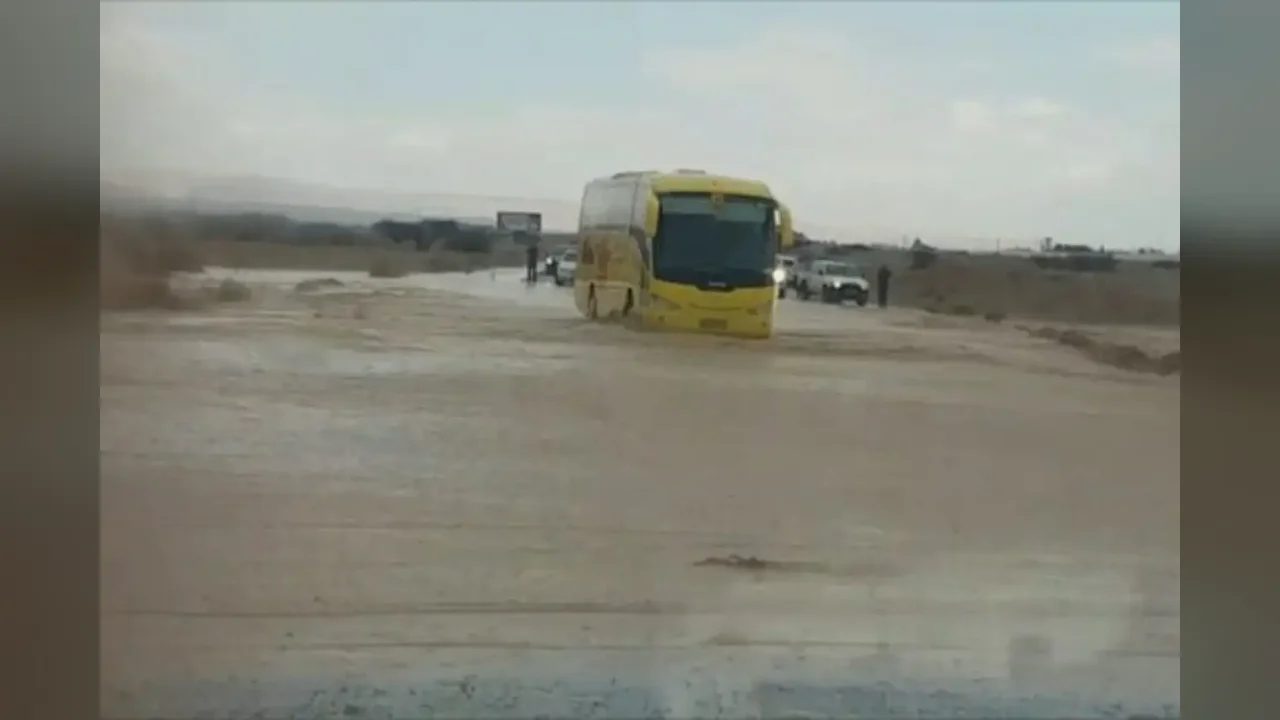
Heavy rains sweeping across Israel over the weekend triggered severe flooding in multiple regions, leaving communities isolated and major roads closed. According to reports, 117 millimeters of rain fell in the Sharon region within an hour and a quarter, causing massive floods. In Kadima-Zoran, residents were instructed to stay indoors, avoid non-essential travel, and refrain from using elevators to reach ground or subterranean floors, recalling a tragic 2020 incident in Tel Aviv where a couple drowned in a flooded parking garage. In Ashdod, 60 millimeters of rain fell in a very short time, leading to widespread water accumulation. Two lanes of the Ayalon Highway were closed, and Route 90 in eastern Israel was blocked to traffic.
Chronic Infrastructural Deficits
While the severe weather caused immediate disruption, the underlying vulnerability to floods is a long-standing issue recognized by authorities for years. Government strategy and inter-agency coordination have progressed at a sluggish pace. A 2025 State Comptroller report highlighted that years passed before responsibility was centralized under the Ministry of Agriculture, which began formulating a comprehensive methodology. Only recently, in 2026, was this nation-wide methodology published, allowing implementation to finally begin.
Comptroller Findings and Municipal Gaps
A subsequent 2026 State Comptroller report focusing on coastal municipalities—including Nahariya, Ashkelon, and Jisr az-Zarqa—revealed systemic failures in local preparedness. The comptroller found no single body authorized to enforce required drainage works on local authorities. Jisr az-Zarqa lacked basic infrastructure data, channeled runoff directly into the sewage system, and failed to collect drainage levies from residents, leaving it resource-starved. Ashkelon lacked multi-year strategic plans, while Nahariya's drainage infrastructure remains inadequate for major flood scenarios. The comptroller called on the Ministry of the Interior and the Ministry of Agriculture to urgently step up regulatory oversight and establish a robust normative framework for civil emergency preparedness.