Israel Reports Influenza Surge as Winter Respiratory Infections Rise
Israel's health ministry reports a rising wave of seasonal influenza and winter respiratory illnesses, with elderly patients comprising the majority of hospitalizations while vaccination rates remain low.
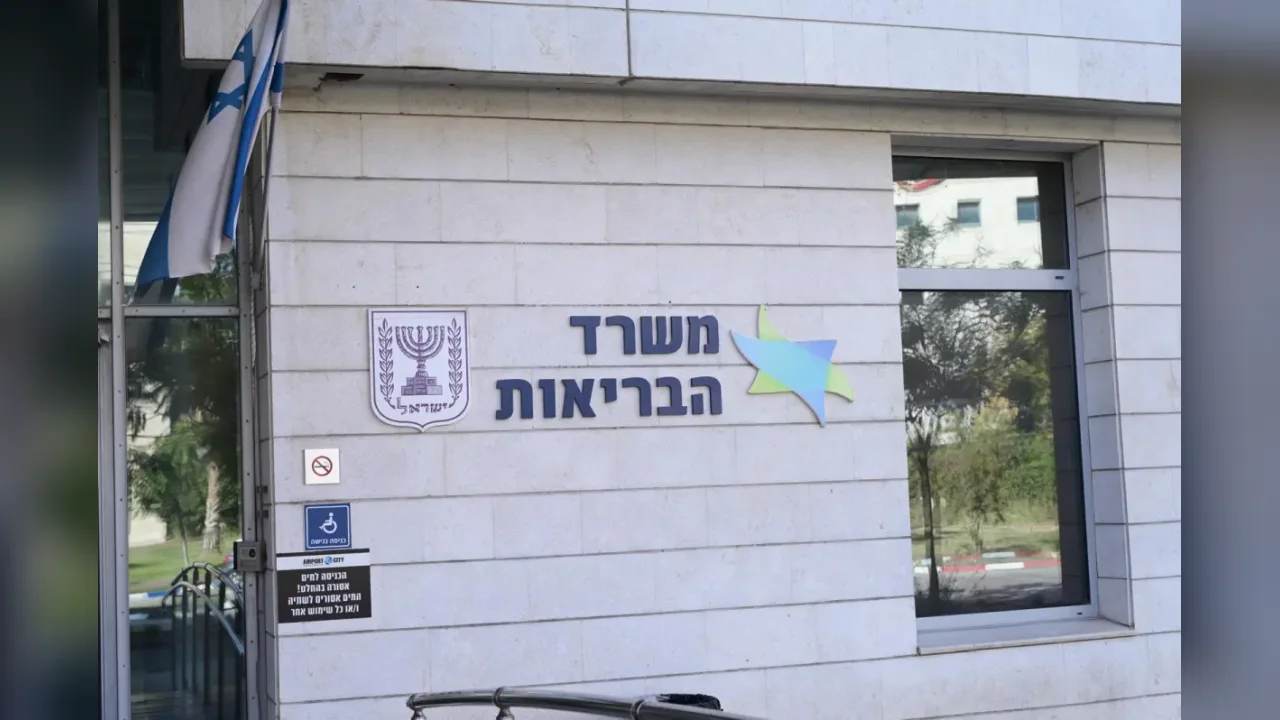
Influenza Surge in Israel: Rising Hospitalizations and Low Vaccination Rates
Israel is experiencing an early winter surge of seasonal influenza, with health authorities reporting a steady increase in respiratory infections and hospital admissions. According to a report published by the Ministry of Health’s National Center for Disease Control, 82 patients hospitalized across 14 general hospitals tested positive for influenza last week, alongside 56 COVID-19 cases.
The health ministry noted that the predominant strain is the A/H1N1pdm09 variant, accounting for the vast majority of cases. Out of the 82 new influenza-positive hospitalizations, 79 were classified as Type A, two as Type B, and one case involved both strains. Medical data shows that the elderly are disproportionately affected, with over 51% of all seasonal cases recorded among individuals aged 65 and older.
Demographics and Hospital Data
The report highlights that out of the 359 total influenza-positive hospitalizations recorded since the beginning of the season, 285 were adults and 72 were children, with two pregnant women also affected. Severe cases requiring intensive care included 13 adults and four children.
"We are seeing a clear upward trend in respiratory illnesses and clinic visits, yet public participation in the seasonal vaccination campaign remains alarmingly low," health officials stated.
Low Turnout for Seasonal Vaccines
Despite the escalating numbers, vaccination rates across Israel remain minimal. Data through mid-October shows that only 480,332 insured citizens—about 4.9% of the total population—have received the seasonal flu shot. Meanwhile, COVID-19 detection rates among hospitalized patients have stabilized at approximately 3.5% of tested samples.