Flu Season Hits Israel Early as Teenager Hospitalized in Serious Condition
Israel's flu season has started early, with low vaccination rates reported nationwide. A 17-year-old girl without underlying conditions is in serious condition at Ashdod's Assuta hospital.

The influenza season in Israel has begun earlier than usual this year, mirroring global trends, with data pointing to a high rate of virus detections among hospitalized patients. The Ministry of Health emphasized that while the flu vaccine does not completely prevent infection, it significantly reduces the severity of the disease and lowers the risk of severe illness or death.
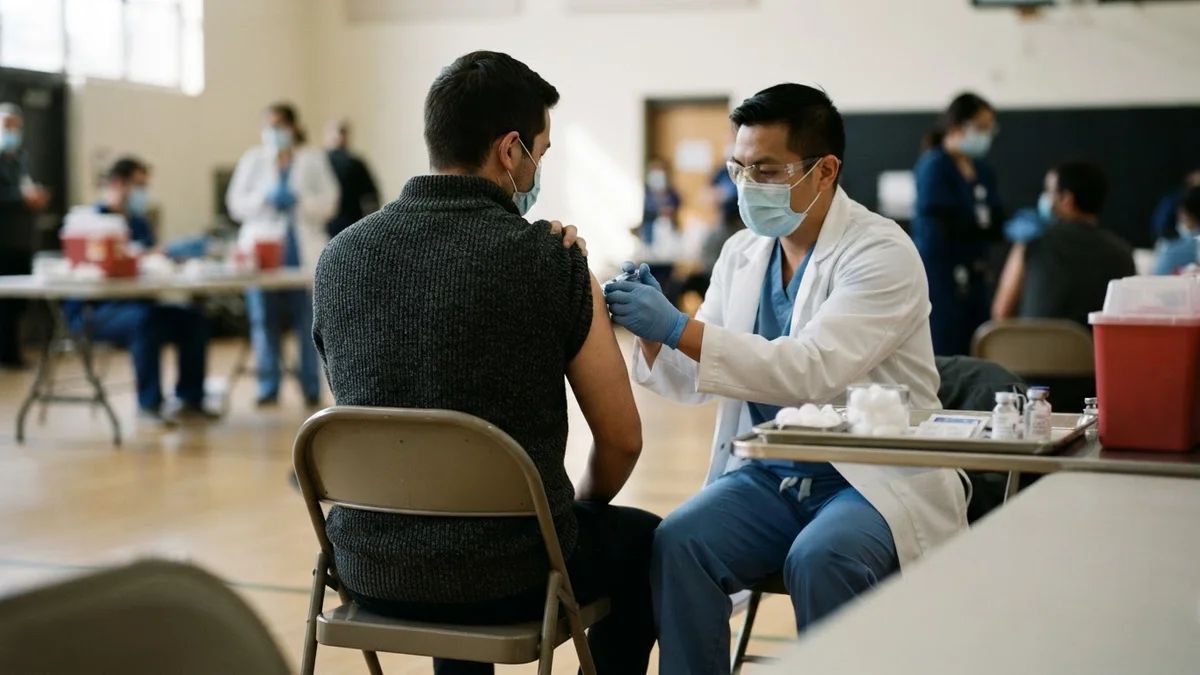
The ministry has renewed its call for the public to get vaccinated, assuring that the vaccine is safe and recommended for anyone aged six months and older. The vaccine is readily available and provided free of charge through health maintenance organizations. Currently, only 4% of the general population is vaccinated against the flu, with the rate dropping to 1.2% among teenagers aged 13 to 17.
Meanwhile, a 17-year-old girl is hospitalized in serious condition following severe flu complications. She is being treated in the pediatric intensive care unit at Assuta Ashdod University Hospital and has no prior underlying medical conditions.
The teenager arrived at the hospital in the early morning hours suffering from a severe infection and a dangerous drop in blood pressure. Within hours, her condition rapidly deteriorated, first in the emergency department and subsequently in the pediatric intensive care unit. She is currently sedated, on a mechanical ventilator, and receiving medications to support her blood pressure. She had not been vaccinated against the flu.
Dr. Noa Rosenfeld, head of the pediatric intensive care unit at Assuta Ashdod, noted: "Influenza is not necessarily a mild illness, and even children and teenagers without underlying conditions can develop severe and life-threatening complications. This case highlights the vital importance of vaccination, which can significantly reduce the risk of severe morbidity and hospitalization."