Israel Projected to Lead Global Energy Storage Capacity by 2030
Israel is on track to lead the world in per capita electricity storage by 2030, despite regulatory hurdles and the lack of a national target. The Ministry of Energy is releasing a comprehensive policy report to streamline regulations and boost sector growth.
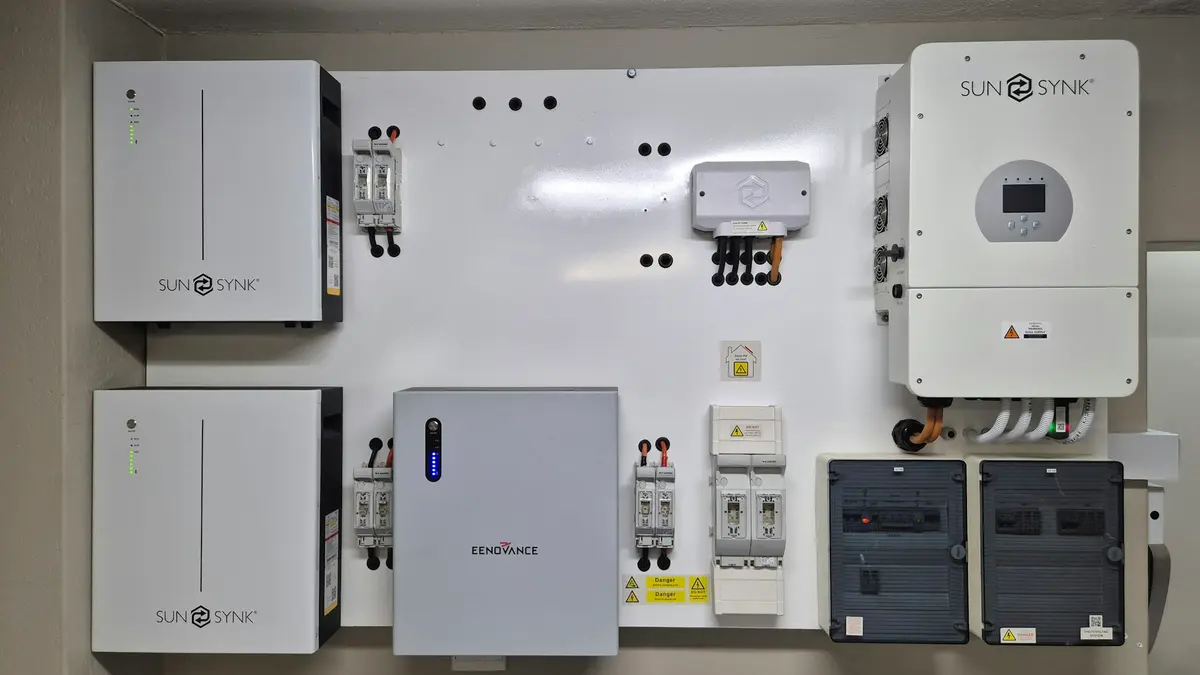
Israel is projected to become a global leader in electricity storage capacity relative to its population size by 2030, according to Ministry of Energy estimates. The country is set to install approximately 900 megawatts per million residents, surpassing expected capacities in Australia at 750 megawatts and the United Kingdom at 700 megawatts. This growth occurs despite the absence of a national energy storage target and regulatory fragmentation that hinders broader technology adoption.
To address these hurdles, the Ministry of Energy is releasing a comprehensive policy report for public comment. Authored by Dr. Diana Bogin, a research fellow in the Heschel Center's Mofat program, in collaboration with ministry experts, the document aims to establish binding frameworks across all regulatory bodies, ranging from the energy ministry to firefighting and rescue services. The energy storage sector is currently booming due to capital market investments and a steep 90% drop in battery prices since 2008, driven fundamentally by the nation's pressing energy needs.
Challenges in Grid Integration and Fire Safety
Renewable energy in Israel relies heavily on solar panels, which peak at midday when energy demand is relatively low. Conversely, as solar generation declines toward evening, electricity demand surges, forcing the power grid to rapidly switch on polluting gas-fired power plants. Battery storage offers an optimal solution by capturing surplus midday solar energy to supply power during evening peaks, while also reducing the need for peaker power plants and stabilizing grid frequency.
Despite high demand and enthusiastic investors, implementation faces operational obstacles. Idan Liebes, co-founder and chief scientist at Ageera, notes that realization depends heavily on grid capacity. While storage facilities integrated directly into solar fields face few issues, facilities relying on the general electricity grid encounter significant hurdles in power supply. Furthermore, fire safety regulations present substantial challenges. Lithium-ion batteries burn for extended periods and are difficult to extinguish, prompting rescue services to enforce rigorous safety standards, including requirements for massive water supply infrastructure.
Market Reforms and Future Storage Technologies
Ron Eifer, head of the Sustainable Energy Division at the Ministry of Energy, emphasizes that national targets serve not only as goals but also as regulatory controls to prevent over-installation, which yields diminishing returns. Meanwhile, market conditions are evolving. In January, a gradual transition to the MCP wholesale pricing method will commence, creating arbitrage opportunities for storage developers to purchase cheap power during surplus solar production and sell it back to the grid during peak demand.
Beyond lithium-ion batteries, Israel operates pumped-storage hydroelectric facilities and is exploring long-term energy storage technologies, such as iron-air batteries and hydrogen fuel cells, to bridge seasonal gaps. Although long-term technologies remain economically unviable today, the ministry proposes regulatory sandboxes and targeted research incentives to foster future development.