Over 80,000 Shekels Monthly: The True Cost of Building Concierges in Israel
Residential lobby guards in Israel function primarily as concierges rather than armed security, with round-the-clock staffing costing between 58,000 and 70,000 shekels monthly. This expense varies widely per apartment depending on building size, sparking ongoing debates over maintenance costs.
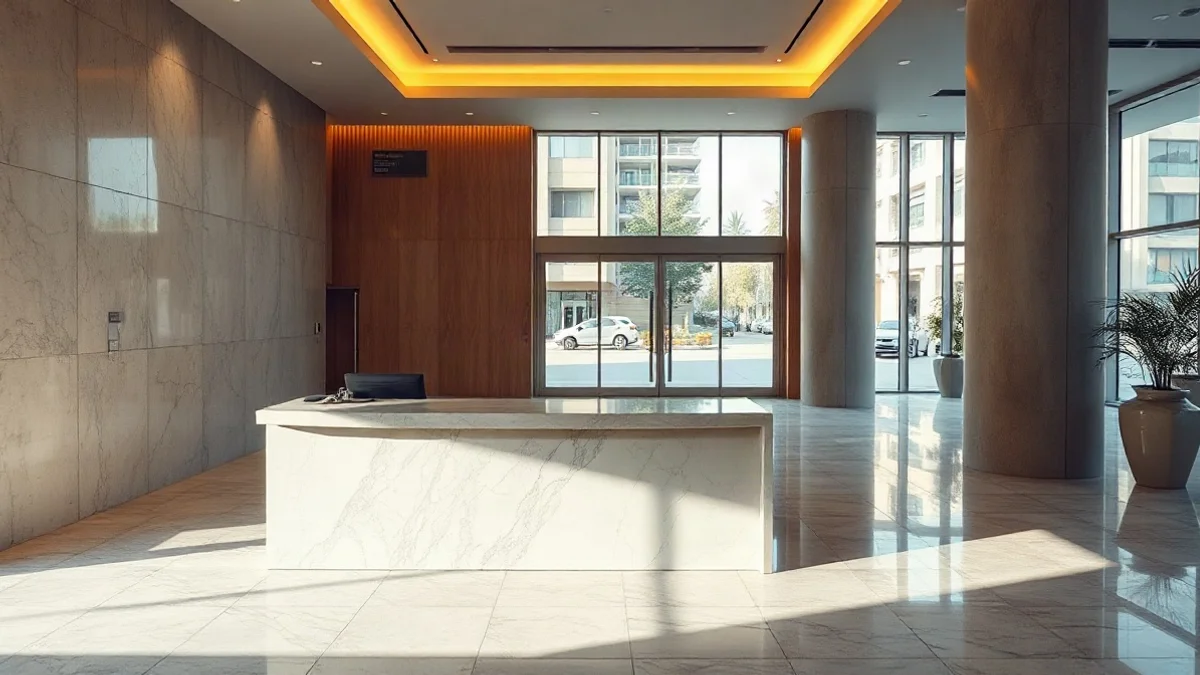
The lobby guard welcomes residents, directs guests, and signs for packages while homeowners are at work. However, in many residential buildings, this role goes far beyond security: the guard acts primarily as a receptionist or concierge, focusing on resident services. While their presence fosters a sense of security, it does not constitute formal security or armed protection.
"This is not a security service, but rather a concierge service," emphasizes Roy Nussbaum, CEO of Service Property Management. He notes that the distinction impacts both job definition and cost, as armed security involves a different and significantly more expensive service framework. Nussbaum estimates the monthly cost of staffing a 24/7 reception desk at between 58,000 and 70,000 shekels, excluding VAT, while Amir Rosenblum, a building management expert and head of Idan Management, cites a similar range of 60,000 to 70,000 shekels per month for continuous coverage.
Financial Impact on Apartments
This translates to an annual expenditure of 690,000 to 840,000 shekels before VAT, adding to baseline costs for cleaning, elevator maintenance, electricity, and gardening. In smaller or boutique buildings, the per-apartment financial burden increases significantly. In a 200-apartment building, a 60,000 to 70,000 shekel monthly expense averages 300 to 350 shekels per apartment. In a 100-apartment building, the cost rises to 600 to 700 shekels, while a small building with 24 apartments faces a monthly levy of 2,500 to 2,900 shekels per unit.
Wage increases and staff retention further drive up expenses. Rosenblum points out that hourly service rates have surged by tens of percentage points in recent years, propelled by minimum wage hikes and industry agreements. Long-serving employees who know the residents, suppliers, and building systems often command higher compensation to prevent turnover, as residents value the personal rapport.
Security Perception Versus Reality
Even without weapons, the physical presence of a lobby attendant creates psychological reassurance. Nussbaum notes that residents in Netanya and northern Tel Aviv value attendants who monitor security cameras, viewing the presence as both a deterrent and a status symbol. For older populations transitioning from private homes to urban apartments, a familiar face at the entrance provides critical daily support and peace of mind, a sentiment that has intensified following the events of October 7.
Conversely, younger demographics accustomed to smartphone-based property management often prefer intercoms connected to mobile apps, cameras, and automated access control to minimize maintenance fees. As household budgets tighten, the convenience of parcel reception may not justify the monthly outlay for every resident.
Legal Framework and Alternatives
Changing building management arrangements requires navigating complex legal frameworks. A registered condominium charter binds even subsequent apartment buyers, meaning alterations to services require reviewing the building's bylaws and management agreements. The general assembly of apartment owners decides on shared property management, with decisions depending on the specific legal setup of each building.
To mitigate rising labor costs, some multi-building complexes implement centralized monitoring desks where a single operator oversees multiple entrances via cameras and control systems, potentially reducing annual expenses that otherwise reach 2.1 to 2.5 million shekels for three separate manned posts. While virtual guards and artificial intelligence systems offer technological alternatives, experts emphasize they cannot fully replace human concierges who handle refrigerated deliveries, assist residents, or respond directly to on-site issues.