Power Outage Hits Israel Amid Battle Over Orot Rabin Construction Costs
A major power outage in central and southern Israel highlights lingering grid vulnerabilities as the Electricity Authority weighs recognizing billions in costs for delayed gas-fired power units at Orot Rabin.
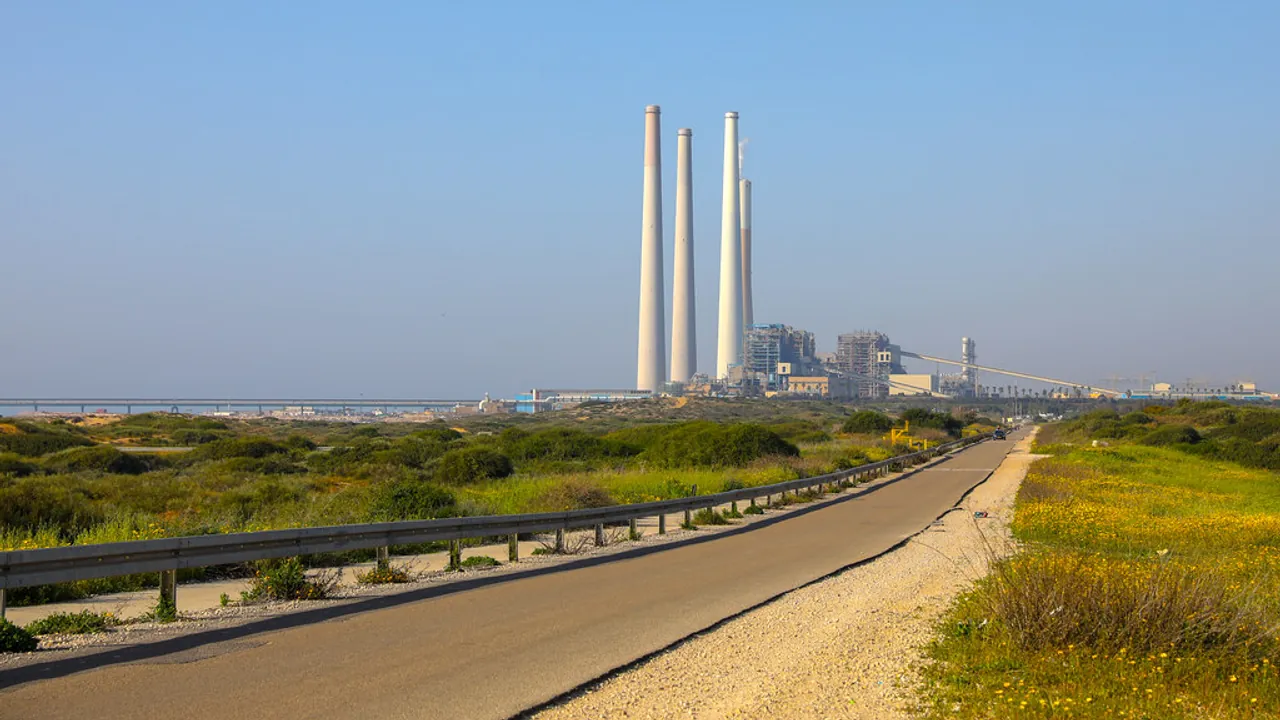
A widespread power outage struck parts of central and southern Israel on Thursday evening following a short circuit in the cables connecting a gas turbine at the Orot Rabin power station in Hadera to the local substation. While residential power was restored quickly, the newly commissioned Unit 80 remained offline for nearly two days. The incident comes at a sensitive political and financial juncture for the Israel Electric Corporation, as the Electricity Authority prepares to rule on the company's request to recognize 5.35 billion shekels in construction costs for Units 70 and 80 through consumer electricity tariffs.
Construction Delays and Mounting Costs
The technological glitch follows a prolonged series of delays in building the two new combined-cycle power units, which run on both gas turbines and steam turbines powered by exhaust heat. Initially scheduled to come online in June 2022 and March 2023, Unit 70 and Unit 80 faced operational delays of nearly three years. Unit 80 was finally connected to the grid this past January, exactly one year after Unit 70. The construction timeline was severely disrupted by the COVID-19 pandemic and exacerbated by the outbreak of the War of Revival following the October 7, 2023 terror attacks, which caused foreign experts to leave the country.
A State Comptroller report estimated that the cumulative delays caused approximately 4.6 billion shekels in damages to households, including 2.8 billion shekels in excess air pollution costs from older coal units, 1 billion shekels in extra coal expenses, and 772 million shekels in higher project and financing costs. In a public hearing four months ago, the Electricity Authority proposed recognizing 5.12 billion shekels of the total project cost while clawing back 229 million shekels due to what it deemed unjustified delays.
Stakeholder Disputes Over Tariff Recognition
The Israel Electric Corporation maintains that all delays were caused by force majeure events, municipal bureaucratic hurdles involving the Hadera municipality and the Sharon-Carmel Environmental Quality Association, and more than 200 technical defects attributed to turbine manufacturer General Electric. The regulator rejected these arguments, classifying the turbine issues as a commercial risk that the utility should litigate directly with General Electric.
The regulatory debate has reignited a broader structural controversy over whether the utility should remain in the electricity generation sector or focus exclusively on transmission and distribution. The Private Power Producers Forum argued that the findings reinforce the necessity of fully removing the state-owned utility from generation to ensure a competitive market. Conversely, the Israel Electric Corporation contends that maintaining its generation sector is a vital national security requirement that helps restrain consumer tariff increases, keeping Israeli electricity prices among the lowest in developed economies.
Phasing Out Coal Generation
The new combined-cycle units were designed to replace coal-fired electricity generation at Orot Rabin, where four aging units without sulfur scrubbers were placed into emergency reserve status last year. Although coal generation dropped from 61% in 2012 to 9.6% in 2025, persistent delays in converting remaining coal units to natural gas have slowed the country's transition away from heavily polluting power sources. The Ministry of Energy announced the conversion process for Unit 5 only last week, while Unit 6 is not scheduled for conversion until 2027.