Via Nova Escalates Highway 6 North Tender Dispute to Supreme Court
Via Nova has appealed to the Supreme Court after the District Court dismissed its challenge against the Highway 6 North tender results, arguing its bid was improperly disqualified despite offering 683 million shekels more than the winner.
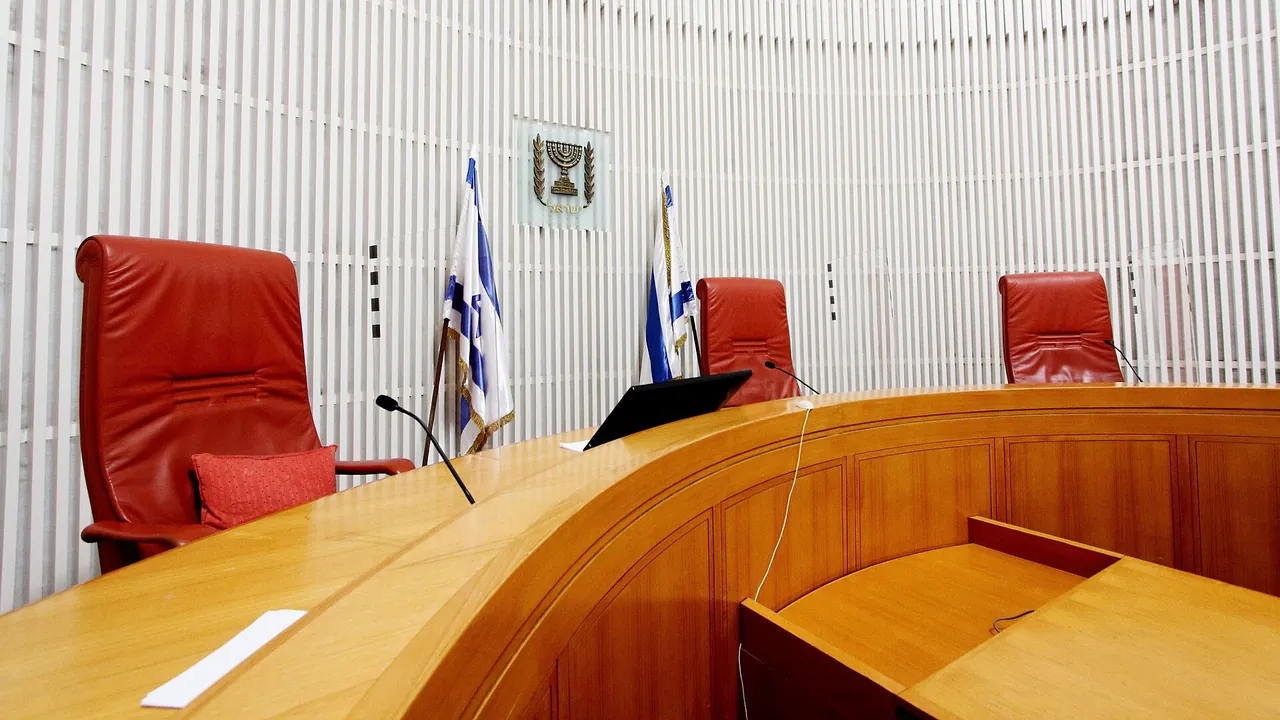
The legal battle over the multi-billion-shekel Highway 6 North project has reached the Supreme Court. Via Nova, a consortium contesting the tender for constructing and operating segments 8 and 9 of the highway, has filed an appeal against a ruling by the Jerusalem District Court which previously dismissed its challenge against the tender's outcome.
Via Nova—comprising Minrav, Milgom, and the French infrastructure firm Egis—is seeking to overturn the November 15 ruling by Judge Ilan Sela that upheld the victory of Shapir Engineering and its partners. The project, published in late 2024, encompasses the financing, planning, construction, operation, and maintenance of segments 8 and 9A of Highway 6, spanning roughly 22 kilometers from the Somech Interchange to Beit HaEmek over a 34-year concession period. The undertaking carries an estimated price tag of 2 billion shekels, with construction slated to commence in 2027.
Core Contentions and Financial Discrepancies
At the heart of the dispute lies a stark financial discrepancy. Via Nova proposed concession fees of approximately 2.018 billion shekels, compared to roughly 1.335 billion shekels offered by Shapir, marking a difference of about 683 million shekels in favor of the state. However, the appellant's bid received only 48.03 points, falling short of the mandatory 60-point threshold, which resulted in disqualification before the financial bid evaluation stage.
Via Nova contends that the tender committee applied a revenue adjustment mechanism incorrectly and automatically, substituting the consortium's revenue projection of about 20.94 billion shekels with the state's forecast plus 15%, while leaving the estimated construction and operational costs intact. This adjustment wiped out approximately 7 billion shekels from the projected revenues and effectively zeroed out scores in key evaluation criteria. The appeal also challenges clarifications issued shortly before bid submission, arguing that the adjustment mechanism was wrongly applied to criteria it was never meant to govern.
Professional Forecasting and Judicial History
Furthermore, the appellant challenges the professional basis used to dismiss its traffic projections, stating that its financial model relied on the Ministry of Transportation's official national transport model. Via Nova argues that the tender committee's professional advisor rejected these figures without providing a validated alternative counter-calculation.
The Jerusalem District Court ruled that the tender committee operated strictly within the rules outlined in the tender documents and emphasized that judicial restraint prevents courts from replacing professional committee discretion. Judge Sela also noted that the petition was filed with significant delay, as Via Nova learned of its disqualification in July but only approached the court in October, after the concession agreement with Shapir was signed in September. Consequently, the lower court ordered Via Nova to pay 150,000 shekels in legal costs. The Supreme Court will now determine whether to annul the lower court's ruling and re-evaluate the disqualification.