Iran Warns Future Conflict Won't Be Regional as Hormuz Incidents Rise
Senior Iranian officials threatened that any future conflict with the USA and Israel will expand globally, as three tankers were attacked near the Strait of Hormuz and Washington imposed new sanctions.
Senior Iranian officials warned that any future military conflict involving the USA and Israel will not remain confined to the Middle East. Speaking on Tuesday on the sidelines of a Basij event, Islamic Revolutionary Guard Corps commander Ahmad Vahidi stated that warfare would expand globally if necessary, mirroring warnings from the country's leadership.
Vahidi added that the development of Iran's missile range faces no geographical limitations and will continue according to operational needs. In a separate message published by the Mehr news agency, he emphasized that Tehran would respond to any aggression with decisive actions that would make the aggressor regret its moves.
Hardline Stance and Conditions
Parliament Speaker Mohammad Bagher Ghalibaf also hardened Tehran's posture, declaring that no negotiations will begin before Iran's seven pre-conditions are met. Ghalibaf dismissed warnings from US President Donald Trump and US Secretary of the Treasury Scott Bessent as manifestations of American helplessness, adding that Iran is prepared to alter the geography of the battlefield.
According to official statements, Tehran's seven conditions include ending hostilities across all fronts including Lebanon, lifting maritime blockades, releasing frozen assets, removing oil sanctions, paying war reparations, withdrawing newly deployed US forces, and securing guarantees against future escalation.
Meanwhile, Minister of Foreign Affairs Abbas Araghchi adopted a comparatively measured tone, telling state media that his ministry maintains diplomatic channels for negotiations while urging the government to frustrate sanction implementers. Araghchi also dismissed the feasibility of a land blockade against Iran, citing the country's vast territory and extensive border crossings.
Maritime Incidents and Sanctions Pressure
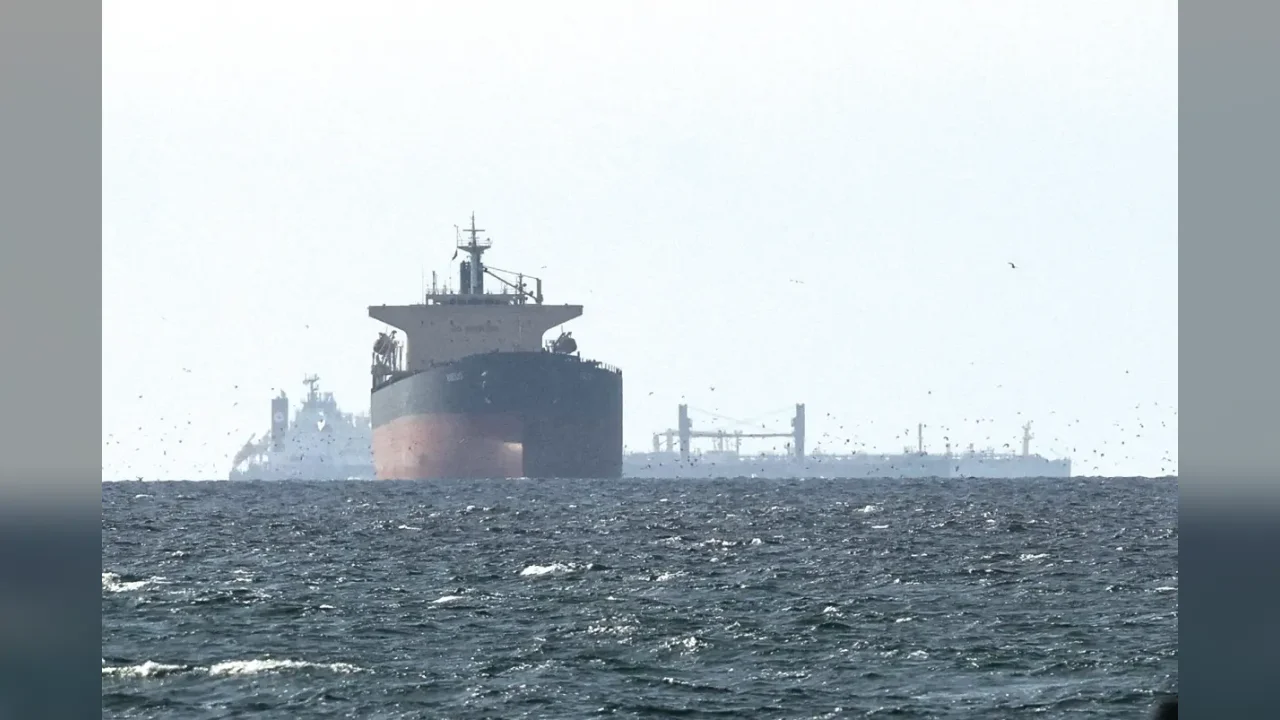
Tensions escalated on the ground as the United Kingdom Maritime Trade Operations reported attacks involving three tankers in the Strait of Hormuz. The Revolutionary Guard naval forces claimed that a tanker struck a naval mine in an unauthorized lane, while two escorting vessels turned back following radio warnings. Iranian military officials reiterated that the strait will remain restricted until conditions are satisfied.
Washington responded by tightening financial pressure, with the US Treasury Department sanctioning eight individuals and 22 entities across Iran, the United Arab Emirates, Turkey, and Hong Kong targeting shadow banking networks. President Trump stated that he remains open to renewing strikes against Iran after the new year if no agreement is reached, warning that any attempt to breach maritime restrictions would face severe military retaliation.
Diplomatic mediators continue navigating the crisis, with Qatari Ministry of Foreign Affairs spokesman Majed Al-Ansari reporting mixed signals from Washington and Tehran while warning that further escalation will undermine mediation efforts. Concurrently, Qatari Prime Minister and Minister of Foreign Affairs Sheikh Mohammed bin Abdulrahman Al Thani met in Washington with US Secretary of State Marco Rubio for the eighth strategic dialogue between the two nations.