Israel Assesses Iranian Missile Rebuild and Interceptor Stockpiles Ahead of Potential Escalation
As Israel assesses a potential escalation with Iran, reports indicate Tehran has rebuilt parts of its missile arsenal. Defense planners weigh interceptor stockpiles and home front resilience.
As Israel prepares for a potential renewed escalation with Iran, defense analysts are examining Tehran's efforts to rebuild its missile arsenal and the strategic implications for Israel's air defense systems. According to regional reports, the Islamic Revolutionary Guard Corps has worked in recent months to restore damaged missile infrastructure, clearing blocked tunnels and establishing decentralized command networks.
While previous engagements severely impacted Iran's missile capabilities, defense assessments indicate that Tehran has adapted its operational tactics. A key concern centers on the potential use of cluster warheads and advanced missile variants, which pose significant challenges to interceptor capacity by dispersing multiple submunitions over wide areas.
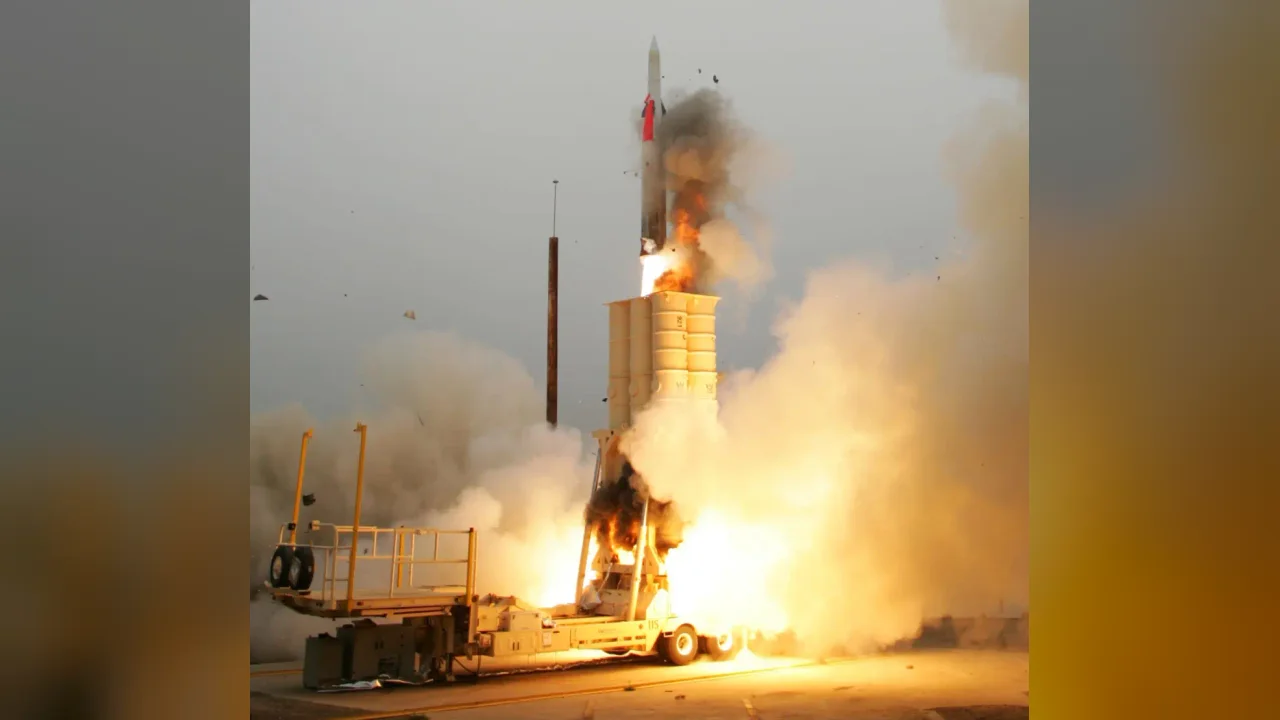
Israel's air defense network, supported by allied cooperation, faces strict limitations regarding interceptor inventories. Although the Ministry of Defense has accelerated domestic production of Arrow interceptors, military planners emphasize that stockpiles are finite, making reliance on strategic coordination with the United States a critical factor in future operational planning.
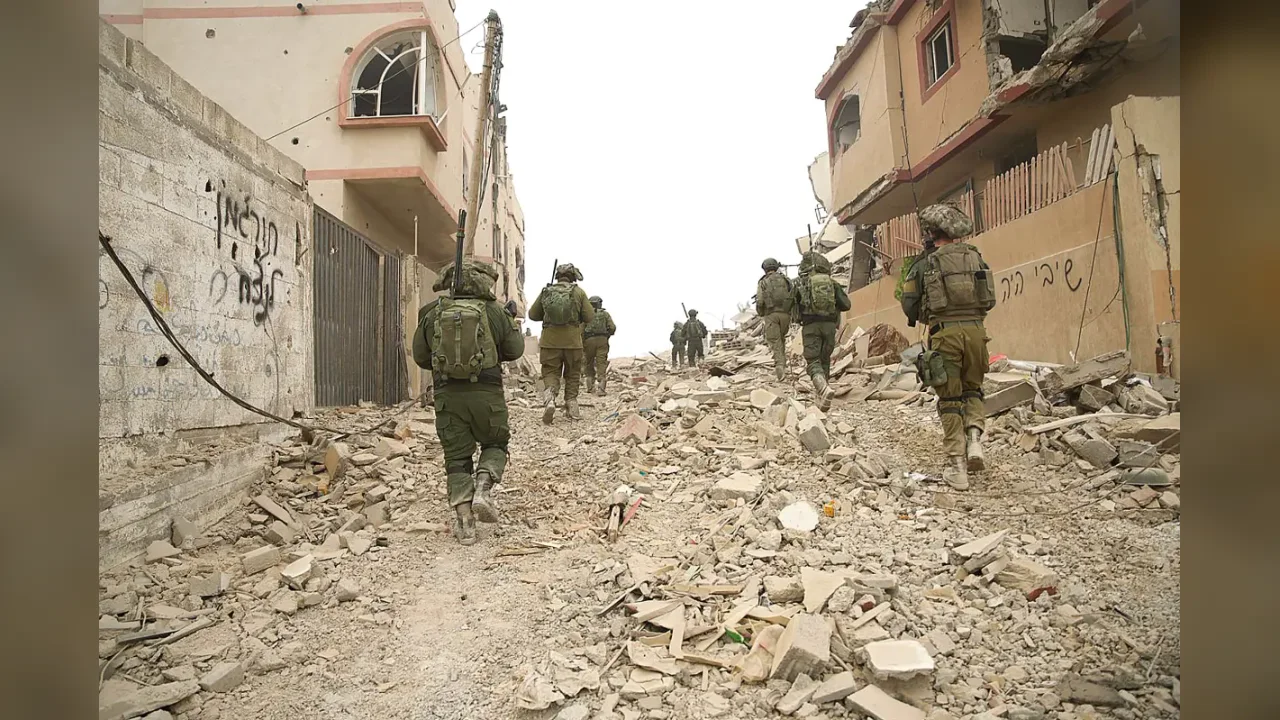
For the Israeli home front, a protracted campaign would test endurance against waves of sustained missile fire rather than a single large barrage. While the Israel Air Force maintains high readiness, officials stress that potential impacts on infrastructure and residential areas require careful risk assessment and sustained civil preparedness.