Iran Trade Crisis Strands Thousands of Trucks Amid Shipping Cost Surge
Iran's foreign trade sector faces a severe logistics crisis as soaring shipping costs and geopolitical risks strand over 4,000 trucks at the Turkish border, threatening food security and basic goods prices.
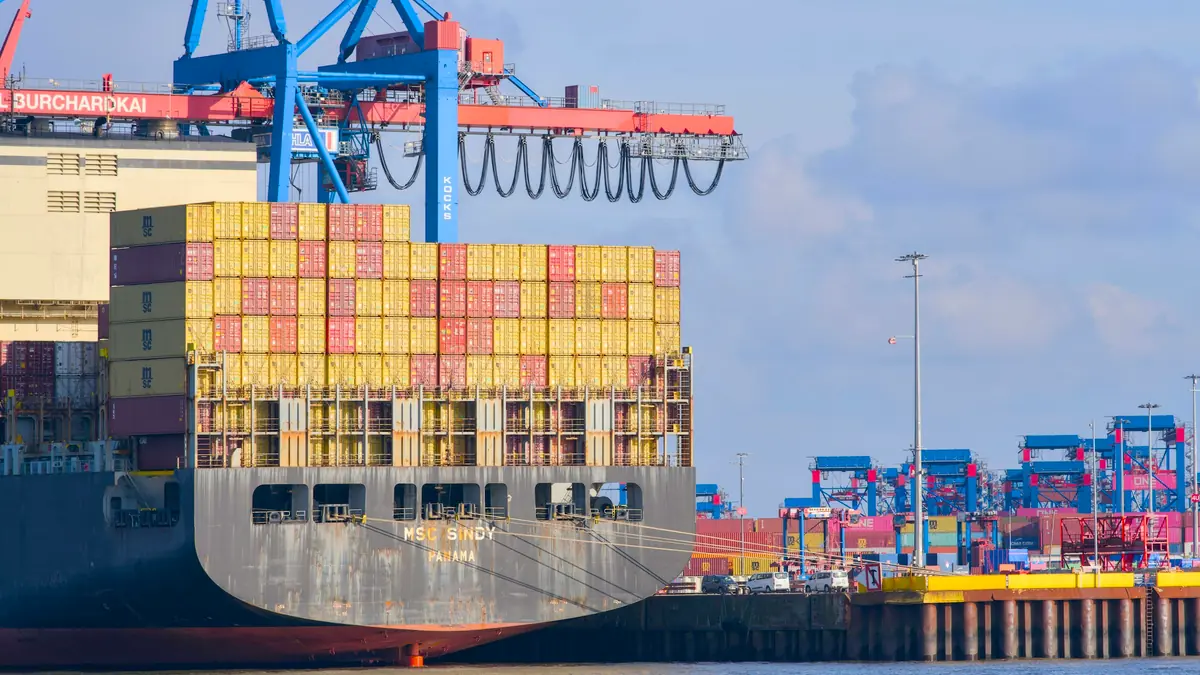
Iran's foreign trade sector is grappling with a severe logistics crisis that threatens national supply chains and is driving sharp price increases for basic commodities. Economic reports indicate that escalating geopolitical risks in the Persian Gulf have triggered an unprecedented surge in maritime shipping costs and severe delivery delays.
Shipping expenses have climbed dramatically across key trade routes. The cost of transporting a container from China to Iran has surged from $2,800 to $13,600, while shipments from Dubai—a vital conduit for circumventing international sanctions—have skyrocketed from $1,000 to $14,000. Delivery timelines have simultaneously stretched from one month to between three and four months. War risk insurance premiums for vessels entering Iranian ports have jumped from 1% to 3% up to 7.5% and 10% of a vessel's value. Consequently, shipping costs that previously accounted for roughly 15% of a $20,000 import shipment now consume 60% of the total expense.
Land Route Bottlenecks and Economic Toll
As maritime disruptions mount, traders have attempted to redirect cargo through overland corridors, creating critical bottlenecks. The busiest land border crossing between Iran and Turkey can process only 200 to 300 trucks daily, leaving more than 4,000 Iranian freight trucks stranded and waiting at the Turkish frontier. Trade officials note that land infrastructure cannot compensate for maritime ports, which historically handled approximately 75% of Iran's trade volume. Former government officials estimate that shifting containerized imports to overland routes could generate an additional $18 billion in annual transportation expenses.
The logistics breakdown is already impacting food security and consumer purchasing power in Iran, where citizens face high inflation and currency depreciation. According to the Tehran Chamber of Commerce, supply bottlenecks and soaring production inputs are projected to reduce annual per capita poultry consumption from 25 kilograms to just 20 kilograms.