Salvadoran President Bukele Deploys Troops to Haiti Amid Gang Crisis
El Salvador President Nayib Bukele has deployed over 2,000 troops to gang-ravaged Haiti following the abduction of four soldiers, launching a high-stakes unilateral military intervention backed by the US.
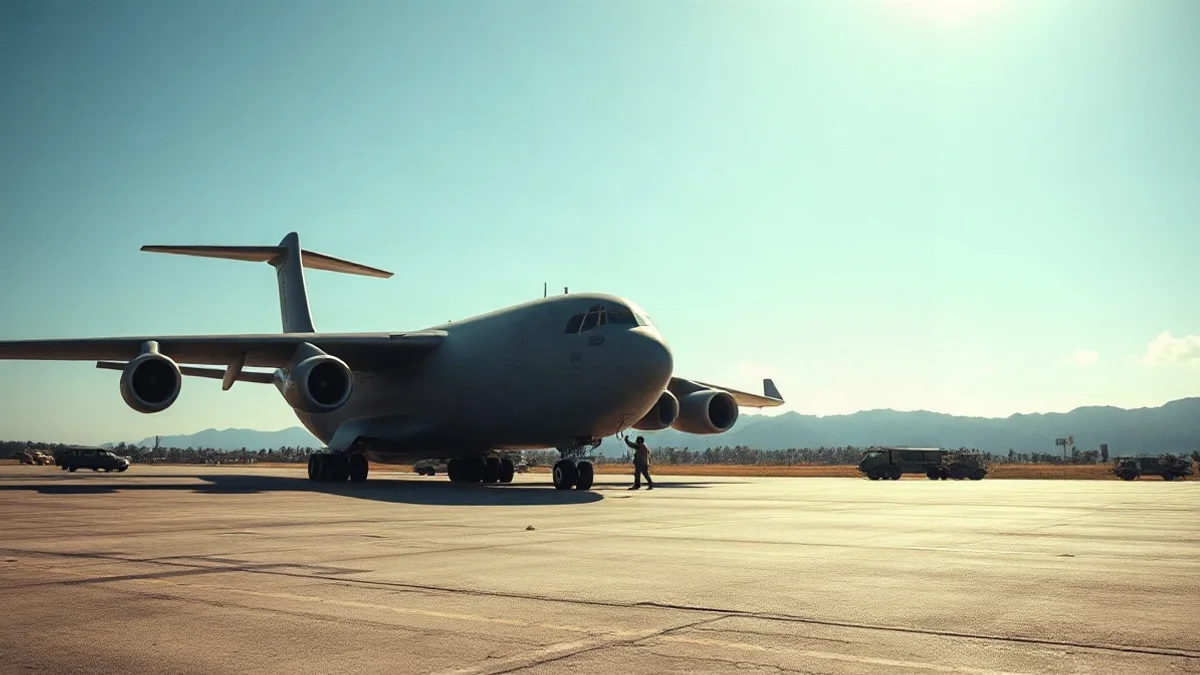
President Nayib Bukele of El Salvador has deployed more than 2,000 troops to Haiti following the abduction of four Salvadoran soldiers serving in an international security mission. The move comes after armed gangs seized large parts of the capital and plunged the impoverished Caribbean nation into a severe humanitarian and security crisis.
Intervention and International Context
The military operation operates outside the formal United Nations mandate and represents a high-stakes gamble for Bukele. After securing direct approval during a telephone conversation with US President Donald Trump, Bukele posted a video on social media showing troops and military hardware boarding aircraft. "This is neither an operation against the people of Haiti nor an invasion," Bukele stated. The deployment follows years of escalating violence in Haiti, where over 5,000 murders were recorded this year alone, and more than 1.5 million people have been displaced.
Bukele's Controversial Strategy
Bukele gained international prominence through his aggressive crackdown on criminal gangs in El Salvador, which involved mass incarcerations at the notorious CECOT mega-prison without formal legal proceedings for many inmates. While human rights organizations have strongly criticized these authoritarian methods, Bukele enjoys overwhelming domestic support, with approval ratings exceeding 91 percent. Desperate residents in Port-au-Prince welcomed the Salvadoran forces, viewing the deployment as a much-needed intervention against ruthless gang leaders.
Clashes and Local Reactions
The deployment immediately triggered armed resistance from local factions. Wilson Joseph, leader of the notorious 400 Mawozo gang suspected of abducting the Salvadoran soldiers, vowed to fight back. In response, Salvadoran forces launched targeted strikes destroying property associated with the gang leadership. Amnesty International has urged both Haitian and Salvadoran authorities to ensure that all military operations strictly comply with international human rights law, though Bukele has consistently dismissed such criticism from rights groups.