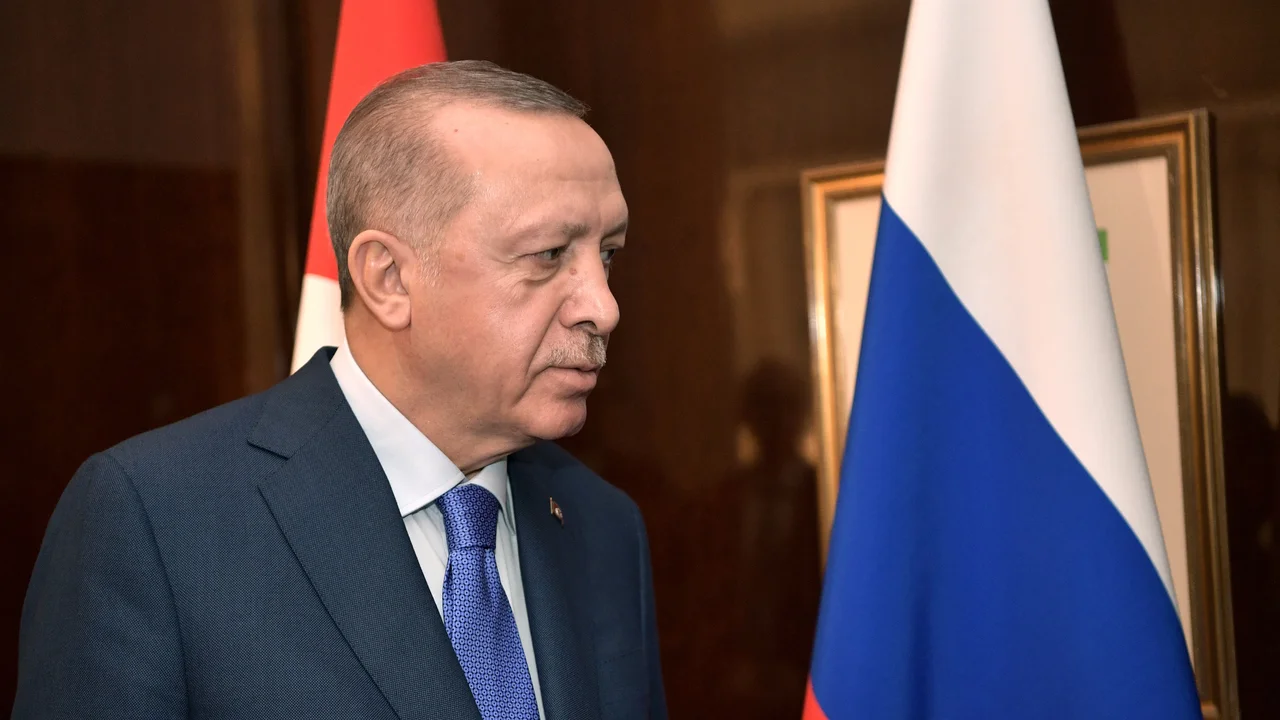
Iran Hardens Stance in US Talks Following Midterm Election Results
Following congressional midterm losses, Iran has hardened its negotiating stance with the United States, demanding sanctions relief before reopening the Strait of Hormuz.
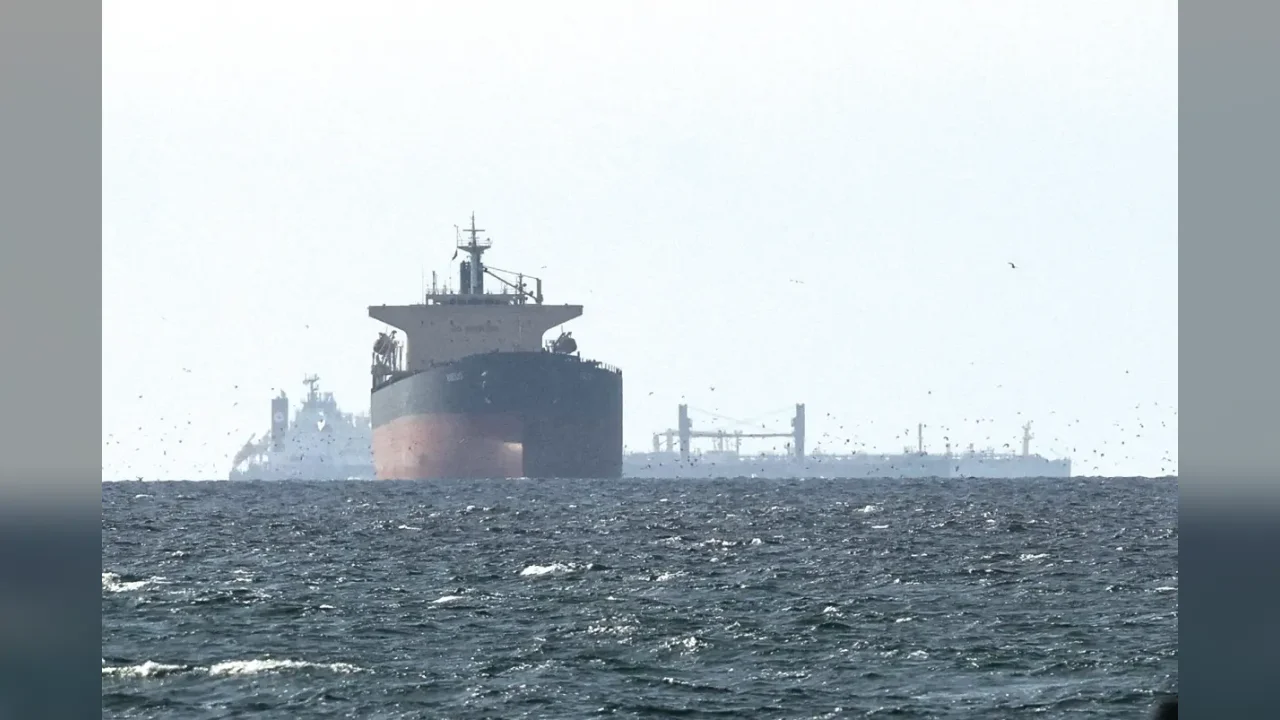
Iran has adopted a harder stance in indirect negotiations with the United States following the Democratic Party's majorities won in both the House of Representatives and the Senate during the November midterms. According to American, European, and Iranian officials, leaders in Tehran interpret the electoral outcome as a severe voter rebuke of the White House's military strategy, viewing the results as a victory that justifies offering fewer concessions at the negotiating table.
The Strategic Standoff Over the Strait of Hormuz
Particular attention in Tehran was drawn to remarks by Vice President JD Vance acknowledging that the conflict contributed to his party's congressional setbacks, prompting President Donald Trump to remove him from the negotiation team and refocus him on domestic affairs. Iranian officials interpreted this shift as a sign of deep internal division in the administration and believe that closing the Strait of Hormuz successfully pressured American voters. Payman Salehi, a Tehran-based political analyst close to the government, noted that Tehran believes Trump faces intense domestic pressure to end the conflict. Representative Jim Himes, expected to chair the House Intelligence Committee, similarly assessed that the election results boosted Iranian leadership confidence.
Core Disagreements and Diplomatic Maneuvers
US officials report that Iran is demanding substantial sanctions relief and financial transfers from Arab nations before it permits vessels to transit the Strait of Hormuz. Conversely, Washington insists that Tehran halt all attacks against commercial shipping lanes before any frozen Iranian assets are released or sanctions are lifted. This disagreement over the sequence of initial steps has already derailed multiple rounds of talks and threatens the current diplomatic push. Earlier in the month, Qatar promoted a proposal where the US would lift its maritime blockade and release frozen assets in exchange for Tehran opening the strait and granting international inspectors access to bombed nuclear facilities.
Despite hardening its rhetoric, indirect diplomatic channels remain active. Iranian Minister of Foreign Affairs Abbas Araghchi visited Pakistan and Oman to coordinate with regional mediators. Western intelligence agencies assess that Tehran remains open to an agreement that unlocks billions in frozen funds, though contingency plans for escalated tanker attacks are reportedly ready. Analysts suggest that an independent military action by Israel or a renewed Iranian strike against American assets could ultimately force the US president to determine his next strategic move.