Iran Expands Covert Cyberattacks and Threats Across Europe to Deter Allies
Iran is expanding covert cyberattacks, espionage, and threats across Europe to deter nations from cooperating with the United States, raising geopolitical tensions.
The Iranian regime is expanding its covert operations across Europe through cyberattacks, espionage, and threats against American military installations, seeking to deter European nations from continuing their cooperation with the United States.
Cyberattacks and Espionage Across Europe
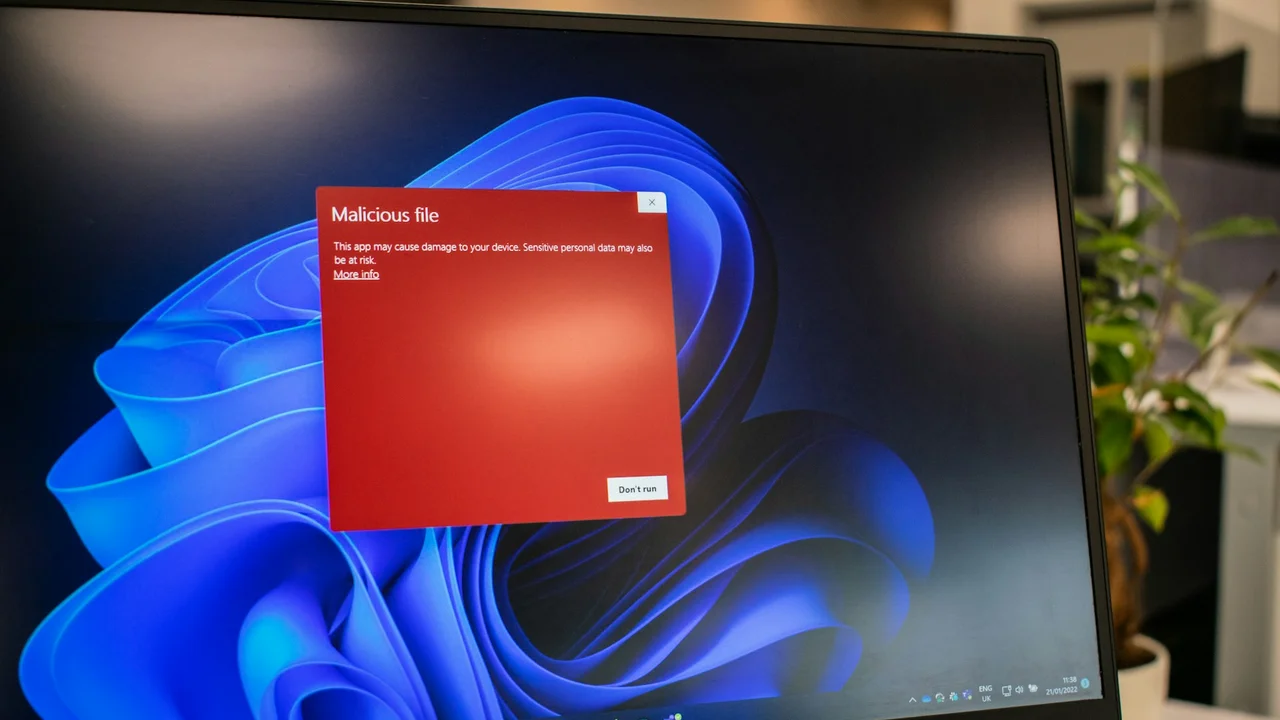
Since early October, a series of incidents has signaled a major shift in Iran's policy toward Europe. In one unusual incident during the night of October 11 to 12, hackers remotely seized control of temperature-control systems in refrigerators at approximately 700 supermarkets in France, causing food spoilage and sparking fires. On November 9, French Foreign Minister Jean-Noël Barrot attributed the cyberattack to the Islamic Revolutionary Guard Corps and announced plans to push for additional European sanctions against Tehran. Iran has denied the allegations. In parallel, two individuals of Iranian descent were convicted of espionage in the United Kingdom.
Relocation of US Military Assets
The Iranian threat has extended beyond digital sabotage to physical security concerns. In early October, the United States withdrew about twelve B-1 bombers from RAF Fairford in the United Kingdom following intelligence indicating a potential Iranian attack. Throughout November, thirteen additional US aircraft were transferred from RAF Mildenhall to bases in Germany, Spain, Scotland, and the UK. While reports linked the redeployment to Iranian threats, no official confirmation was provided by Washington. On November 11, Mohsen Rezai, a member of Iran's Supreme National Security Council, warned that American bases in Europe would become targets if used for strikes against the Islamic Republic.
Broader Strategic Shifts and Motivations
According to Arman Mahmoudian, a researcher at the Global and National Security Institute and a lecturer at the University of South Florida, joint Israeli and American strikes against Iran have driven Tehran to take greater risks. The closure of the Strait of Hormuz since July has further emboldened Iran's confidence in disrupting rival economic and security interests. This escalation also stems from a growing perceived threat to the regime's survival, following the elimination of senior Iranian officials. On October 31, Supreme Leader Mojtaba Khamenei ordered the armed forces to respond to any threat immediately and effectively without geographical limitations, signaling that operations would not be restricted to the Middle East.
Hamidreza Azizi, an Iran expert at the International Crisis Group, noted that the French supermarket cyberattack was designed to send a clear message that Tehran can disrupt civilian daily life as well as military facilities. The campaign unfolds against a backdrop of deteriorating relations between Iran and Europe due to the restoration of international sanctions under the snapback mechanism and NATO military cooperation with Washington. Through this multi-pronged pressure, Tehran aims to raise the diplomatic and economic cost for European nations supporting the United States and coerce them into pressing Washington to curtail anti-Iran operations.