Iran Faces Renewed Protests and Energy Crises as Regime Fears Growing Unrest
Local protests erupt across Iran over economic crises, unpaid pensions, and severe fuel shortages, as senior regime officials warn that growing public discontent could ignite widespread unrest.
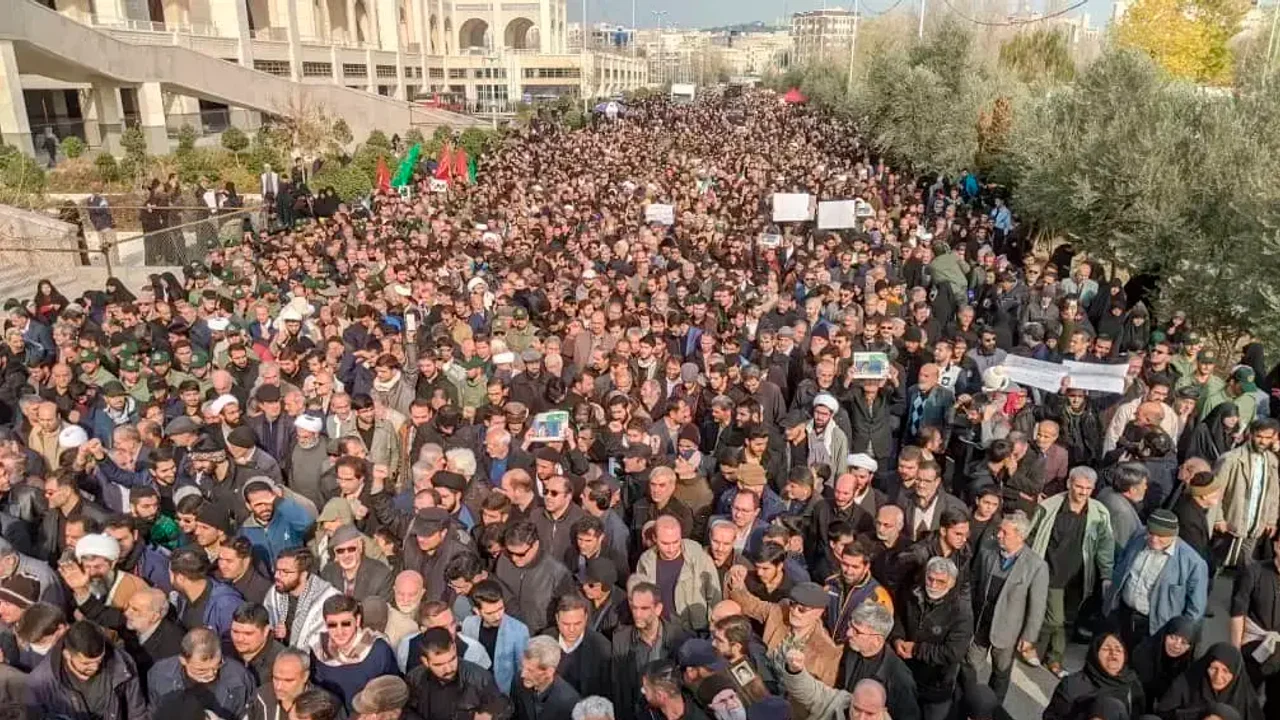
Local protests have erupted across Iran in recent days as retirees, workers, students, and business owners take to the streets to protest worsening economic conditions, fuel shortages, unpaid wages, and delayed pensions. Senior regime officials have expressed growing concern that public frustration could ignite broader unrest.
On Monday, retirees from the Telecommunication Company of Iran staged demonstrations in multiple locations, including Tehran, Kermanshah, Hamedan, Ilam, Borujerd, and Kurdistan Province. Demonstrators protested unpaid entitlements, pension payout discrimination, and the management of their retirement funds. Some protesters directly accused institutions linked to the Islamic Revolutionary Guard Corps of seizing funds intended for retirees, with demonstrators in Borujerd specifically alleging that the Revolutionary Guard confiscated company assets.
Simultaneously, shop owners in Sanandaj, students in Yazd protesting university food quality, and citizens in Neyshabur demonstrating against government housing programs took to the street. In Ilam, municipal workers protested a nearly two-month delay in wage payments and unpaid insurance contributions.
Regime Fears and Severe Gas Shortages
Two senior Iranian officials, including a security official, told international news agencies that the country's leadership is increasingly alarmed by internal conditions and the potential for widespread public protests amid deepening economic distress and energy shortages.
Iran faces an especially severe gas shortage this winter following damage inflicted on processing facilities during recent military strikes. A government spokesperson announced that the deficit is projected to reach 430 million cubic meters, compared to 300 million last year. An Iranian security official stated that intelligence services are on high alert, closely monitoring signs of public dissent and expressing concern that external actors might encourage street demonstrations.
Another senior Iranian official warned that living conditions are rapidly deteriorating and public endurance is wearing thin, describing widespread dissatisfaction as "fire burning beneath the ash." While no major nationwide anti-regime protests have occurred since late February, the ruling leadership fears that economic hardship and energy scarcity will amplify underlying tensions.
Fuel Crisis and Parliamentary Warnings
Alongside the impending gas crisis, severe fuel shortages have fueled public frustration, leading to long queues at gas stations across cities such as Mamasani, Iranshahr, Fasa, and Dehloran, following earlier protests near stations in Bandar Abbas and Kazerun.
The fear of widespread unrest reached the Iranian parliament. During a Sunday session, lawmaker Aliabadi warned against tightening fuel restrictions, stating: "Do not play with gasoline. By God, this gasoline will set the country on fire." On Monday, parliamentarian Gholam-Hossein Zarei called for suspending plans to cancel emergency fuel cards, warning of severe social consequences.
Conflicting official data has further deepened confusion over the fuel deficit. While the Court of Accounts reported daily gasoline production at 131.5 million liters against consumption of 128.5 million liters, the parliamentary energy committee estimated production at roughly 115 million liters per day.
Escalating Economic Distress and Inflation
Economic hardship extends far beyond the energy sector. According to the Iranian economic daily Donya-e-Eqtesad, numerous families are now forced to purchase basic food items, hygiene products, and essential goods on installment plans.
Data presented in the report indicated that inflation reported by the Central Bank reached 83.5 percent, while installment purchases surged by 103 percent over the course of 2025. The number of active credit service users for consumer purchases has surpassed 10.5 million people.
Meanwhile, infrastructure damage and military strikes have exacerbated civilian hardship, resulting in the loss of millions of jobs and soaring inflation while the government struggles to repair energy facilities. Iran has also held talks to import natural gas from Russia in an effort to mitigate winter shortages, though senior officials acknowledge that current measures offer mostly temporary relief.
Although local demonstrations remain contained, warnings from within official institutions and rising anxiety within Iran's security apparatus highlight mounting apprehension over a potential resurgence of friction between the public and the ruling authorities.