India Raises Jet Fuel Export Taxes as Global Aviation Faces Surging Costs
India has raised its export taxes on diesel and jet fuel amid soaring domestic inflation, threatening to further inflate global aviation costs already strained by high oil prices.
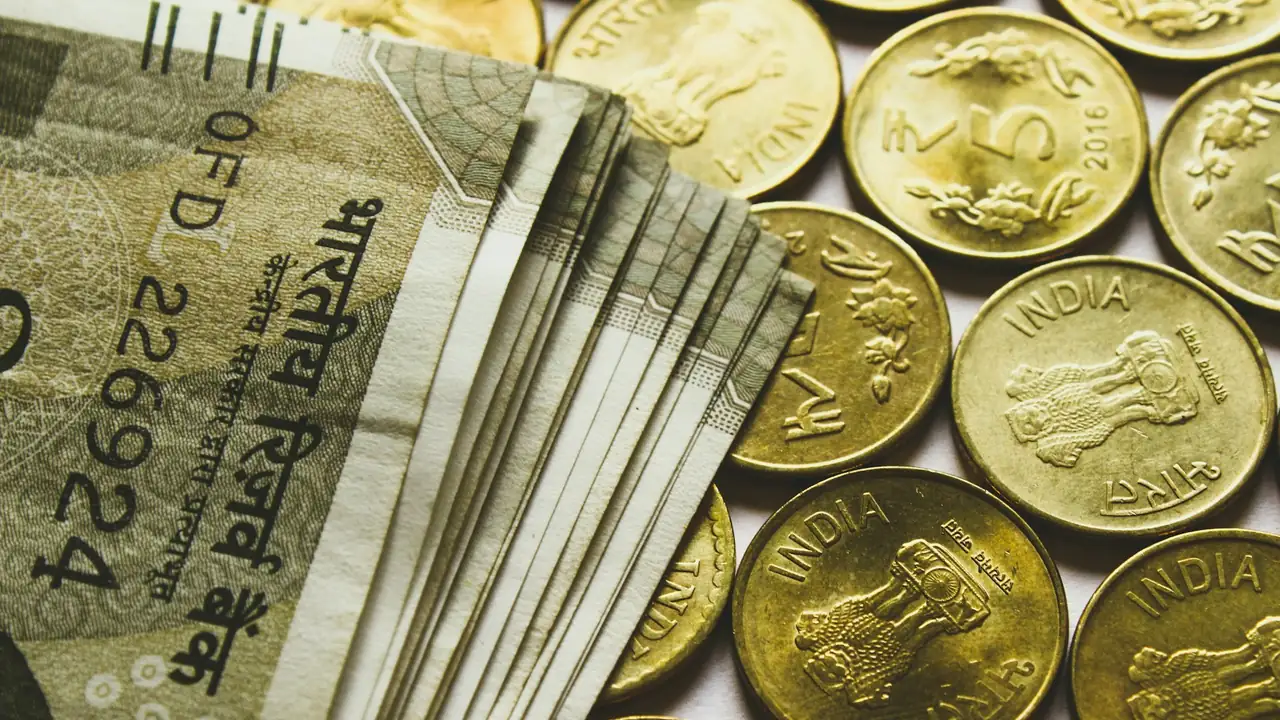
India has raised its export taxes on diesel and jet fuel in response to rising domestic inflation, a move that is poised to ripple through the global aviation industry given the country's prominent position as a major jet fuel exporter. According to the Ministry of Finance, the special additional excise duty on diesel exports was increased to 14 rupees, equivalent to 15 cents, per liter from 11 rupees, while the levy on jet fuel exports was raised to 12.5 rupees from 11 rupees. These tax hikes apply exclusively to exports and do not affect fuel taxes in the domestic market, with a scheduled reassessment of the situation in two weeks.
This marks the second export tax hike in less than three weeks, following an October 31 adjustment that raised the diesel export levy from 8.5 rupees. Government statements emphasize that the policy aims to preserve adequate supplies in the domestic market and prevent exporters from reaping disproportionate gains from elevated prices abroad. The adjustment follows a sharp acceleration in wholesale inflation, which surged to 12.3% in October. Wholesale natural gas and petroleum prices jumped 57.32% in September year-over-year, following a 34.41% increase in August, while consumer inflation reached 6.09%, marking the first time in over two years that inflation surpassed the central bank's 6% target.
Global Aviation and Jet Fuel Pressures
India's export levies carry broad international ramifications. Boasting an advanced refining sector and production capacity that exceeds domestic consumption, India produced 17.8 million tonnes of jet fuel and exported 8.5 million tonnes—nearly half its output—during the 2024-25 fiscal year. The European Union remains a primary destination, receiving an average of 89,000 barrels per day last year, which represented 16% of total exports. Total exports of Indian petroleum products climbed roughly 140% in October to $8.9 billion from $3.7 billion a year prior, serving as a principal driver behind a 22% overall surge in Indian exports.
Simultaneously, India remains a major crude oil importer. S&P Global data shows that India's crude imports rose to a peak of 5.54 million barrels per day in October, a 9% increase over September. With Iraq, Saudi Arabia, and Russia serving as its primary suppliers, India benefited from recent US sanctions flexibilities regarding Russian oil purchases, though this exposes the economy to severe oil price volatility. Global aviation is already struggling with soaring jet fuel costs stemming from the Middle East conflict and the closure of the Strait of Hormuz, with jet fuel trading just under $150 per barrel compared to $85 before the conflict.
Industry Warnings and US Flight Disruption
Airline executives have issued stark warnings regarding the financial toll of high fuel expenses. United Airlines CEO Scott Kirby estimated that six out of ten US airlines would post losses this year, while European carriers absorbed an additional $12 billion in fuel costs. Irish low-cost carrier Ryanair cautioned that it might freeze wage growth and curb recruitment due to surging fuel bills, and CEO Michael O'Leary warned that European airfares could rise by double digits over the summer. Lufthansa reported that its 2026 fuel bill will exceed 2025 expenditures by more than $2 billion, and two European carriers, including Latvian national airline airBaltic, have declared bankruptcy.
Meanwhile, a massive wave of flight cancellations across the United States temporarily depressed jet fuel demand and drove prices to a three-month low. A technological glitch grounded departures nationwide on Friday, leading to the cancellation of approximately 10,000 flights, with total cancellations reaching 17,000 by Sunday. While the disruption helped alleviate tight jet fuel inventories—which stood 837,000 barrels below year-ago levels according to the Energy Information Administration—airlines across the country faced severe operational bottlenecks. Commenting on the technical failure, US President Donald Trump attributed the outage to aging infrastructure while praising the Department of Transportation for its response.