New Immigrants Prepare to Vote in Israel's Upcoming Knesset Elections
New immigrants who arrived in Israel over the past four years share their perspectives on voting in the upcoming Knesset elections for the very first time, highlighting themes of democracy, education, security, and integration.
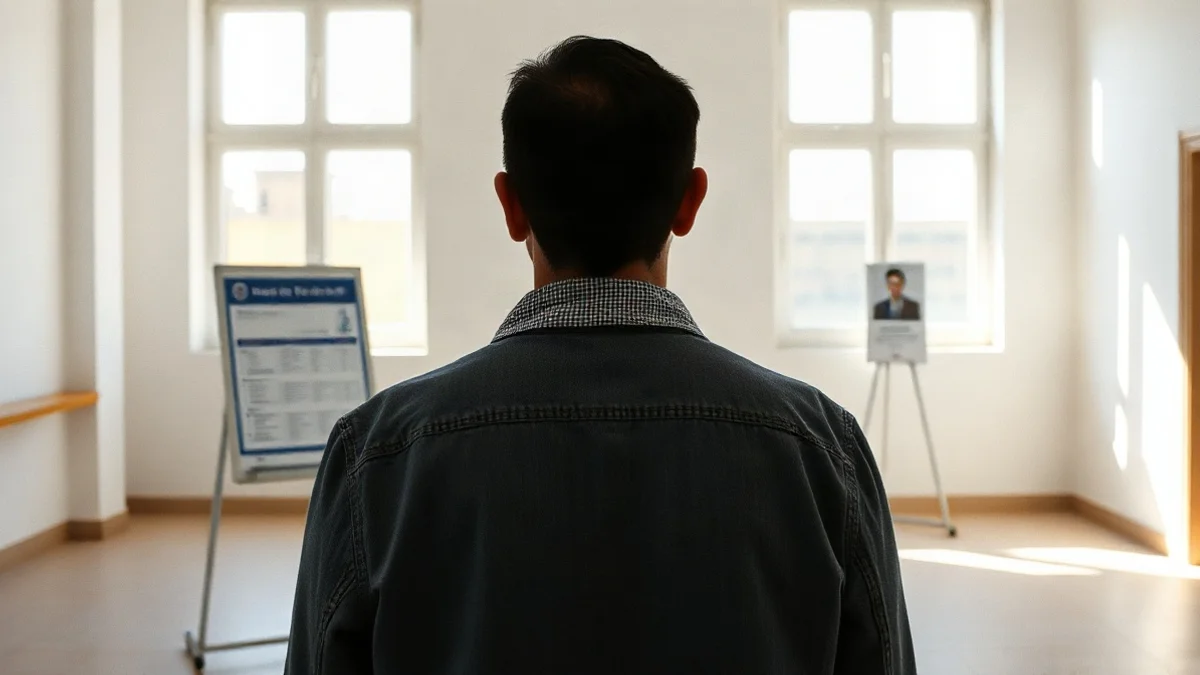
For the olim (new immigrants) who arrived in Israel over the past four years, the upcoming Knesset elections represent a historic milestone. Having packed up their lives and moved to the country during one of its most turbulent periods, these new citizens are now preparing to cast their ballots for the very first time, embracing the rights and responsibilities of Israeli democracy.
Maria Volokh, a 29-year-old journalist born and raised in Russia who later lived in Europe before immigrating to Israel in March 2024, describes the moment as deeply emotional. "This is not only my first time voting in Israel, but the first time in my life I am participating in genuine elections in a democratic country," she says. While she is grateful for equal rights and the opportunity to shape her new home, she admits to experiencing a mild culture shock regarding local politics. "There is so much disinformation, populism, and manipulation, but it is amusing to watch, and it's great that we have elections."
The Perspective of Recent Arrivals
Margarita Potikova, 35, immigrated from Saint Petersburg with her children in April 2025 and participates in the initiative "In Our Own Voice," which encourages new immigrants to vote. "I love Israel and want to build my life here," she notes, expressing both excitement and anxiety as her eldest son prepares for military service. Potikova stresses that education is her top priority, advocating for a strong school system that fosters critical thinking, logic, and open-mindedness. She also raises concerns about personal safety and property crime encountered since arrival.
Michael Kosoy, 56, who also arrived from Saint Petersburg in October 2024, views voting as an absolute civic duty and a way to express gratitude for how Israel welcomed his family. "The situation in Israel is likely the result of a genuine political struggle, which is a good thing, though structurally it currently looks unhealthy," Kosoy observes. Rather than just casting a ballot, he has decided to take an active social stance and promote projects aimed at fixing systemic issues.
Comparing Democratic Systems
Jordan Falkenstein, 40, immigrated to Israel from Toronto, Canada, just before the previous elections in 2022. Having missed that cycle, he views voting now as a rite of passage and official entry into the democratic process. Comparing the systems, Falkenstein points out the contrast between Canada's single-member district plurality system and Israel's proportional representation. "The coalition system here is my biggest issue. The prime minister has to appeal to every single party to pass laws, which makes the whole process nerve-wracking," he explains, adding that his primary goals for the next government are national security, economic stability, and repairing Israel's international diplomatic standing.
Bat Sarah, 30, who arrived from China eight months ago, will also be voting for the first time in her life. "I deeply appreciate the fact that Israel gives me the freedom to vote and a way to express my opinion on the country's leaders," she says, contrasting it with her country of origin where such choices do not exist. She hopes the incoming government will provide stronger support for new immigrants, particularly regarding integration and enhanced financial assistance to help families build stable lives.