"Two months left": The dramatic warning from within Iran that worries the regime
A senior Iranian parliamentarian warns that the economy has shrunk by 3% and that continued deficit financing could lead to hyperinflation. At the same time, wage delays, strikes, and American pressure are deepening the crisis.
In the shadow of the growing pressure exerted by the war, sanctions, and the naval blockade on Iranian ports, signs of the deepening economic crisis in the country are multiplying. A slowdown in activity, a growing budget deficit, a surge in liquidity, and the expansion of the phenomenon of wage delays are now raising warnings even from within the Iranian political system.
Mostafa Pourdehghan, a member of the Iranian parliament and the Industry and Mines Committee, warned that the Iranian economy is in negative growth and that continued financing of the deficit by increasing the money supply could push the country toward hyperinflation. Against this backdrop, he called for the establishment of an "emergency committee" to deal with inflation and the sharp rise in the cost of living.
According to him, the volume of liquidity in the Iranian economy has reached 17 thousand trillion tomans — a record since the establishment of the Central Bank of Iran. Pourdehghan quoted the Governor of the Central Bank, Abdolnaser Hemmati, stating that economic growth in the last five months stood at minus 3%. If confirmed, this is further evidence of the deepening recession and the contraction of the Iranian economy.
American pressure is increasing
These warnings come as Iran faces a policy of "maximum pressure" from the United States. US Treasury Secretary Scott Bessent said on Thursday that Washington intends to take additional steps against the Iranian regime, which he described as "unprecedented" in the scope of economic isolation. In an interview with Newsmax, Bessent noted that further details are expected next week. The American policy will combine severe economic isolation with the continuation of the blockade in the Strait of Hormuz, intended to prevent the entry and exit of goods from Iran's ports.
Political commentator Rouhollah Rahim-Pour told "Iran International" that while sanctions alone do not necessarily bring about regime change, the economy is currently one of the Islamic Republic's main vulnerabilities. Past experience shows that economic pressure may force Tehran to grant concessions. The reduction in oil exports, the disruption of trade routes, and rising import costs are depleting foreign exchange reserves and hindering the supply of basic goods and raw materials.
The deficit is growing — and the money continues to flow
Pourdehghan claimed that a significant part of the liquidity increase stems from loans the government takes to cover the budget deficit. If the government continues to finance expenses by creating new money, the risk of hyperinflation will increase. He has previously warned that revenues the government relied on, including tax and oil sales, have been damaged by the war and the economic crisis.
Meanwhile, the government must still finance fixed expenses, including civil servant salaries, subsidies, and grants. Even before the latest round of confrontations with the US and Israel, the Iranian economy suffered from chronic inflation, declining investment, an energy crisis, and eroding purchasing power. The war and new trade restrictions have further exacerbated the situation.
The government is trapped between problematic options: cutting expenses, raising taxes, taking on debt, or increasing the money supply. Cutting expenses and raising taxes will burden households and businesses, while financing the deficit through the banking system may accelerate price increases. According to the Statistical Center of Iran, annual inflation in July approached 88%.
Workers pay the price
The crisis is felt acutely in the labor market. According to the ILNA news agency, companies that fired workers during the crisis have recently brought some back, only for many to discover that their June and July salaries remain unpaid. Some workers who found alternative income during unemployment lost it upon returning to factories, while their wages continue to be delayed.
Akbar Shokat, secretary of the Workers' House in Qom province, claimed that most workers have lived below the poverty line for years due to "wage suppression." He warned that if the situation does not change, workers will not be able to bear these conditions for more than two months, and "many tensions" could develop in the labor sector by the end of summer. Some employers are exploiting the crisis to delay payments, even while holding stocks of raw materials.
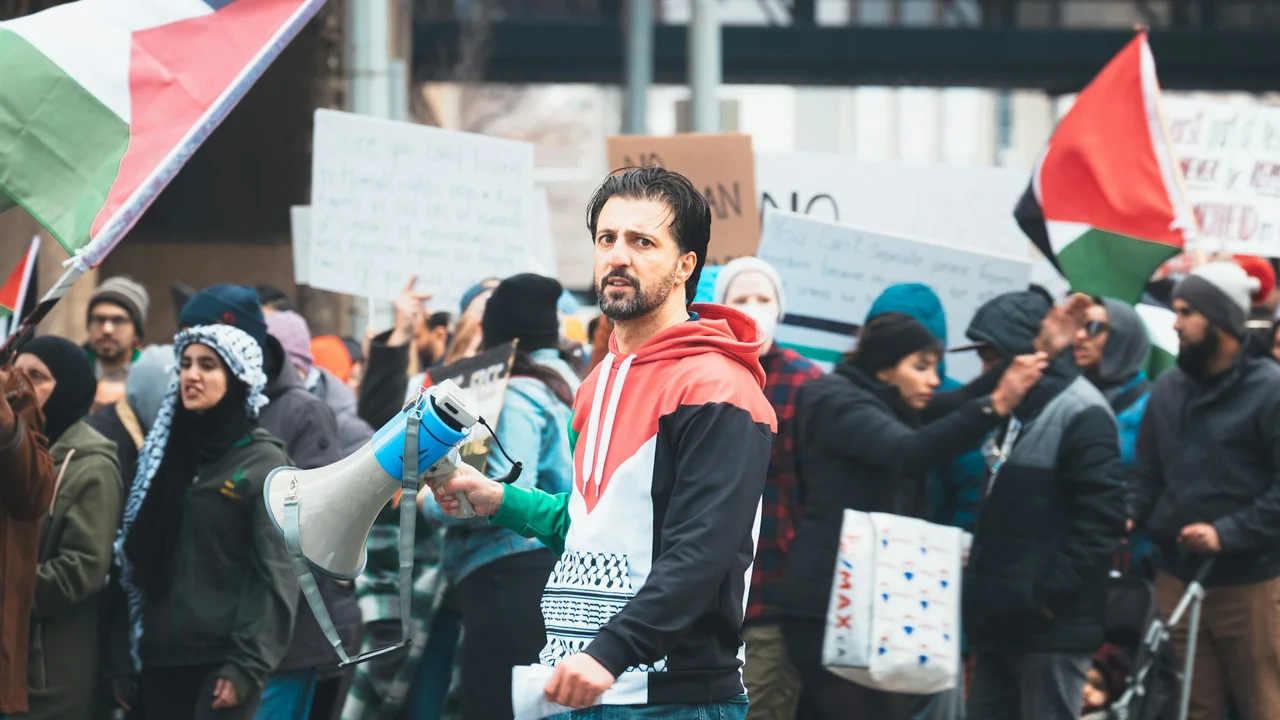
First signs of anger have appeared in recent weeks. On June 23, about 1,600 workers at the "Tabriz Machine" group stopped work to protest unpaid salaries. A day earlier, employees of the health center in Eslamabad-e Gharb demonstrated against payment delays and low wages.
According to an analysis by "Iran International," an emergency committee is unlikely to stop the deterioration without a successful effort to reduce the deficit and ease external tensions. If these trends continue, the fear is that the crisis will evolve from mere numbers and reports into a much deeper social and political crisis.