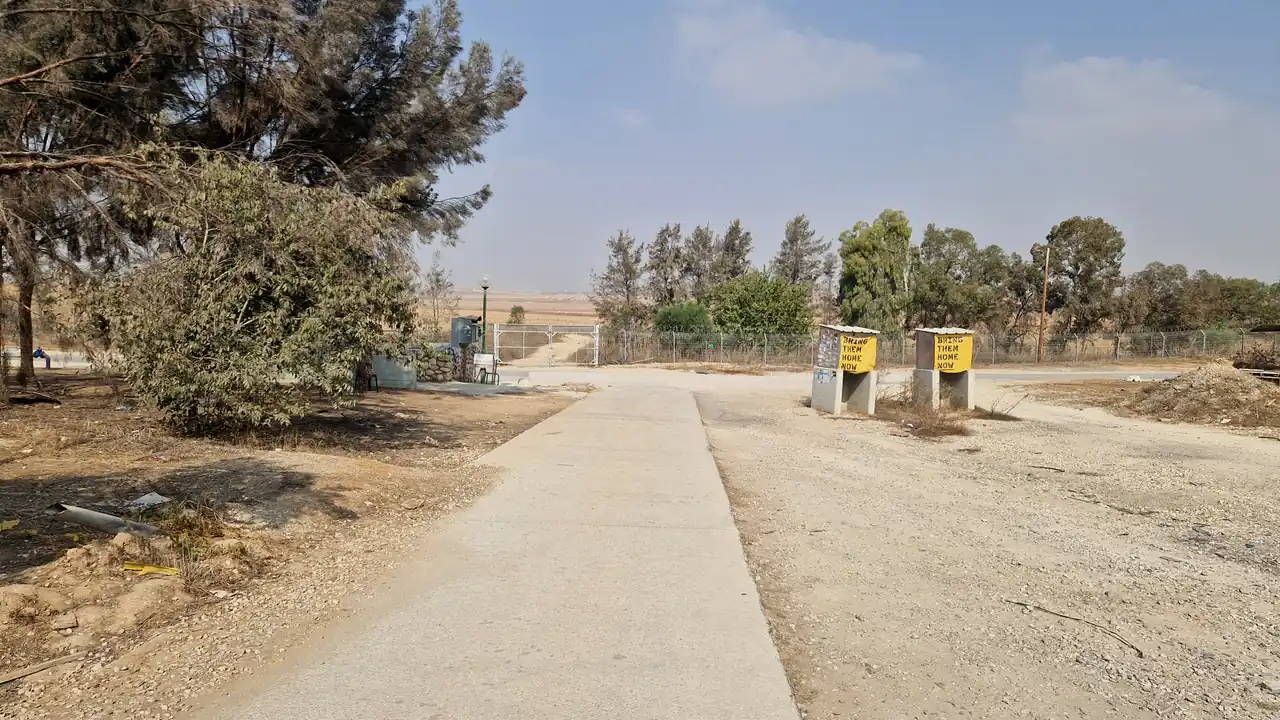
IDF Intensifies Preemptive Ground Operations and Sweeps in Southern Syria
The IDF has intensified ground incursions and sweeps in southern Syria's Quneitra and Yarmouk Basin, recording dozens of operations amid rising intelligence on hostile cells.
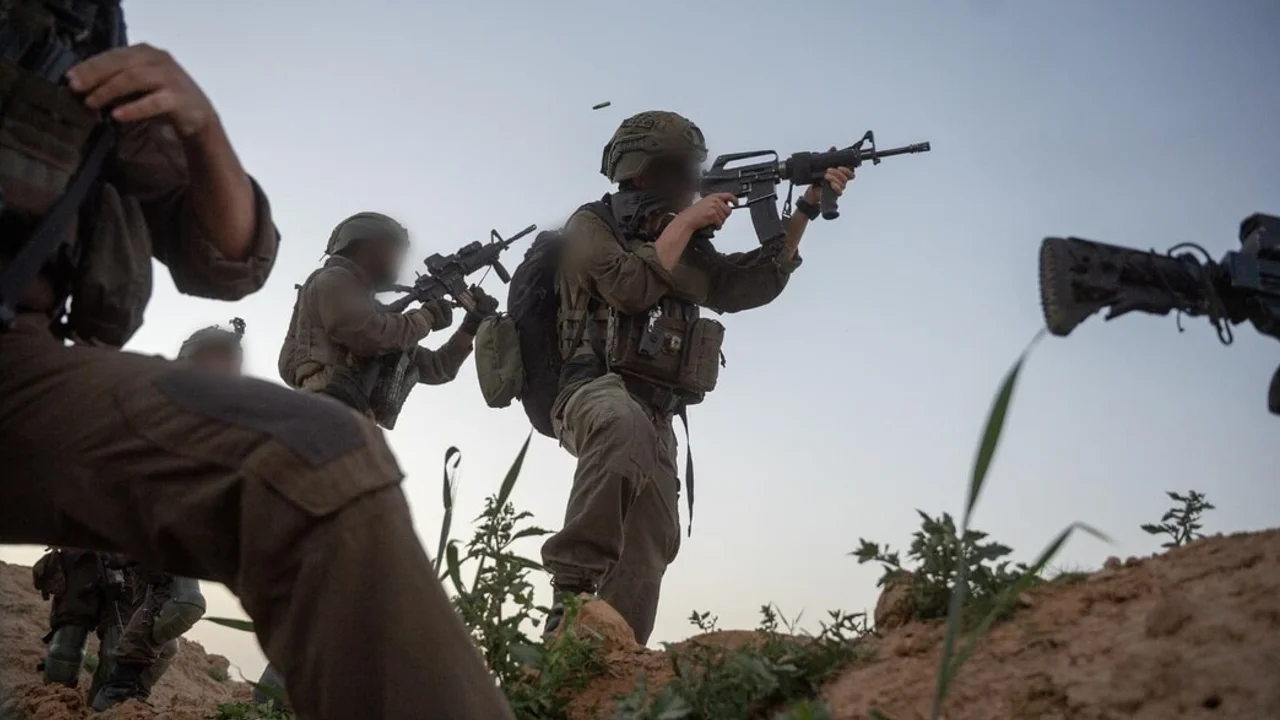
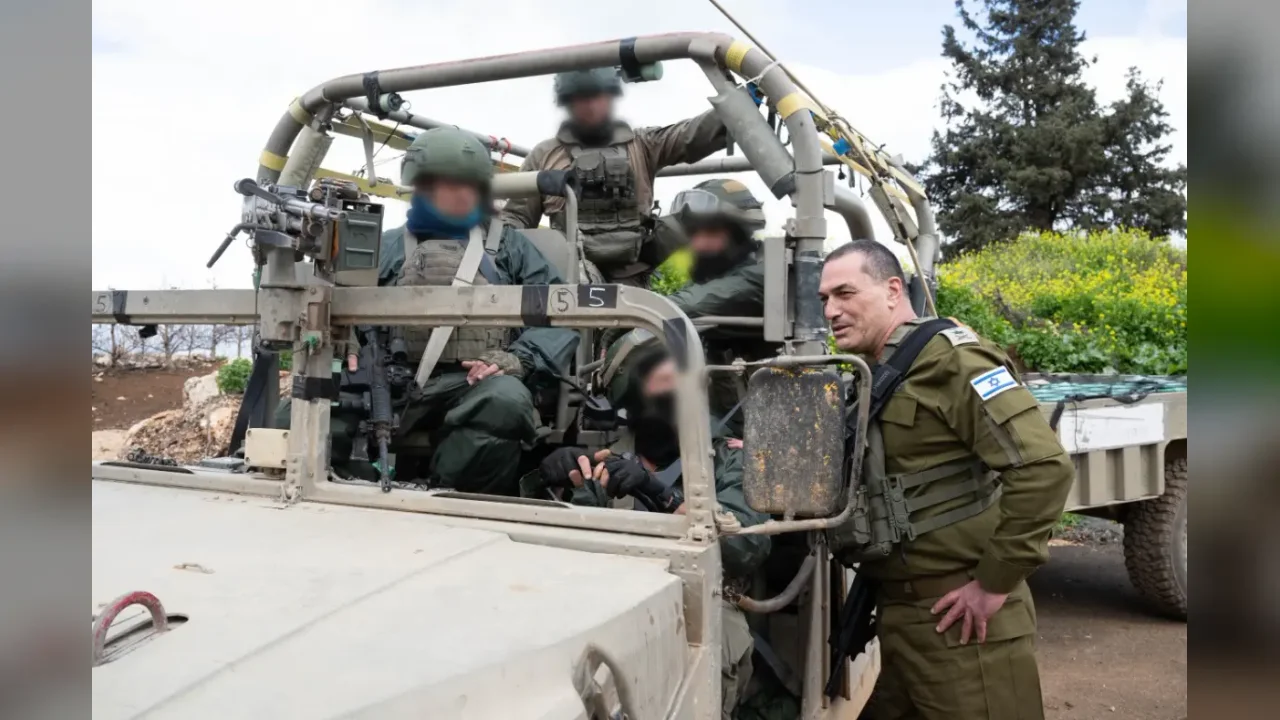
The Israel Defense Forces have intensified ground operations, weapons searches, and checkpoint deployments across the Quneitra province and the Yarmouk Basin in southern Syria. Data compiled between November 1 and November 20 documented 97 incursions by military forces into Syrian villages, involving high-visibility patrols, raids, arrests, and engineering work.
Operational Scope and Intelligence-Driven Tactics
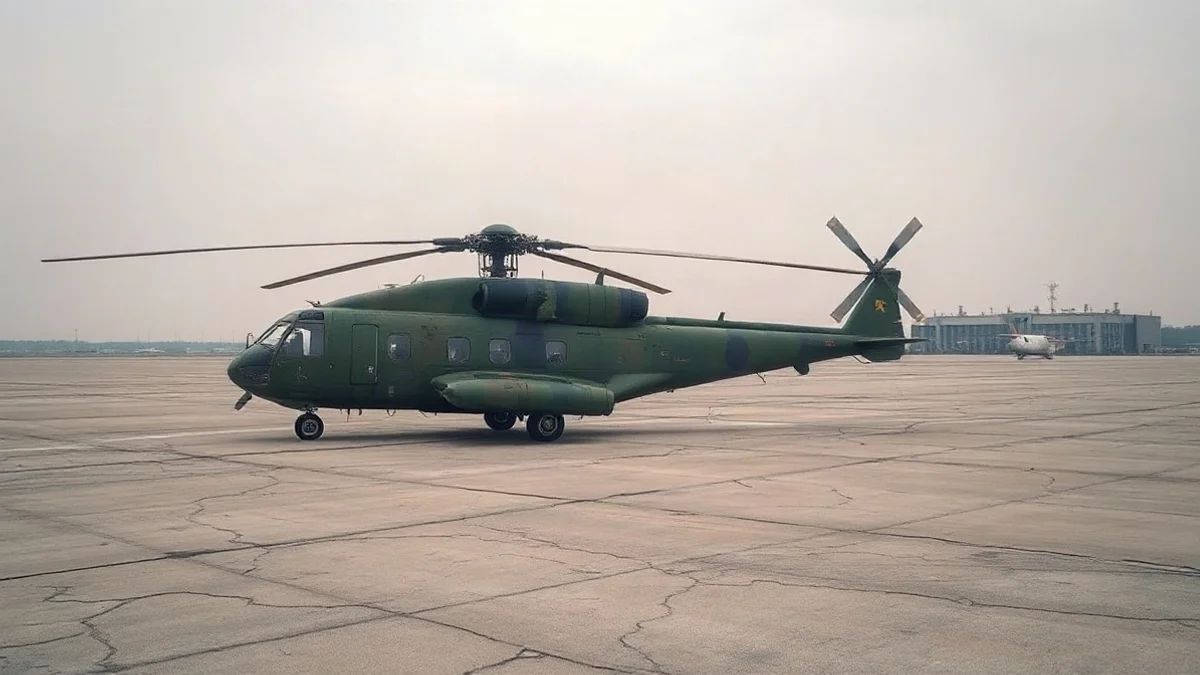
Monitoring organizations recorded 67 separate incidents between November 15 and November 21 alone across the Quneitra, Daraa, and Yarmouk Basin regions, including 24 ground incursions, 20 aerial activity events, and the establishment of nine checkpoints. Nighttime operations have featured gunfire, illumination flares, and Israeli helicopter flights over the Yarmouk Basin.
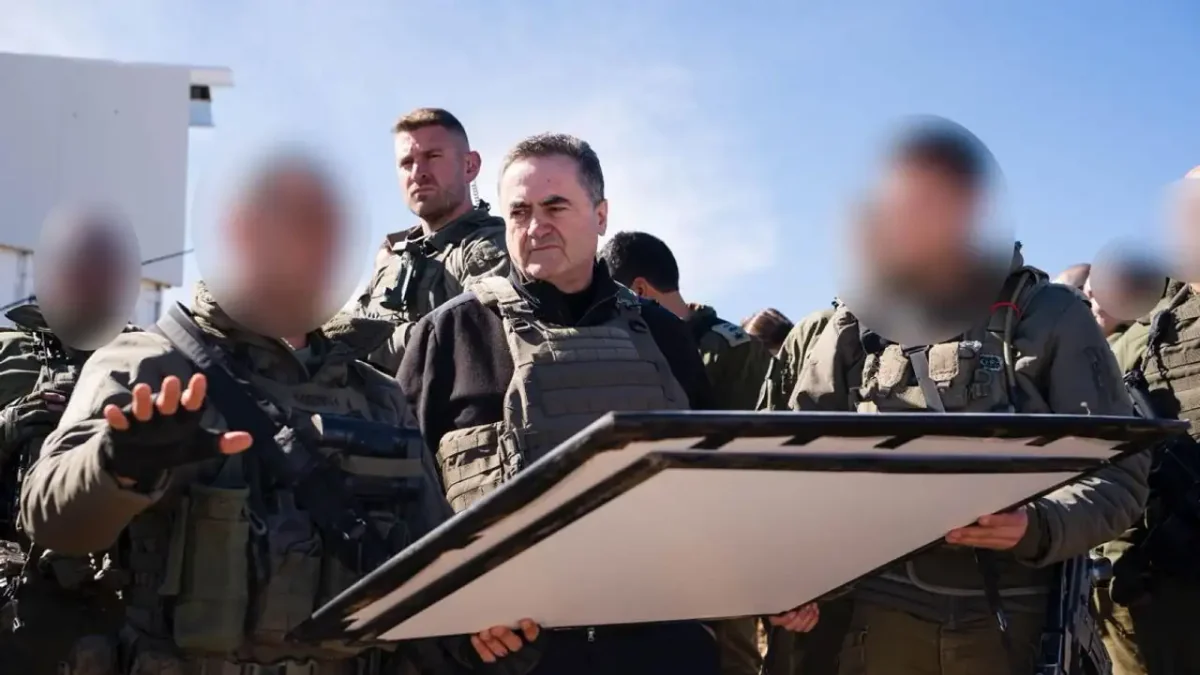
While military authorities have declined to issue official statements regarding the operations, a senior military official in the Northern Command noted that the campaign is driven by a surge in actionable intelligence.
"There is a significant increase in intelligence regarding enemy activity. We operate based on intelligence, working offensively and generating force movement and noise to make observation difficult for those watching us."
Strategic Challenges and Local Friction
The Quneitra and Yarmouk Basin sectors are treated as highly sensitive zones due to their geographic proximity to the Golan Heights and terrain that facilitates movement across agricultural lands and riverbeds. The defense strategy relies on preemptive operations in depth rather than waiting for threats to materialize near the border fence.
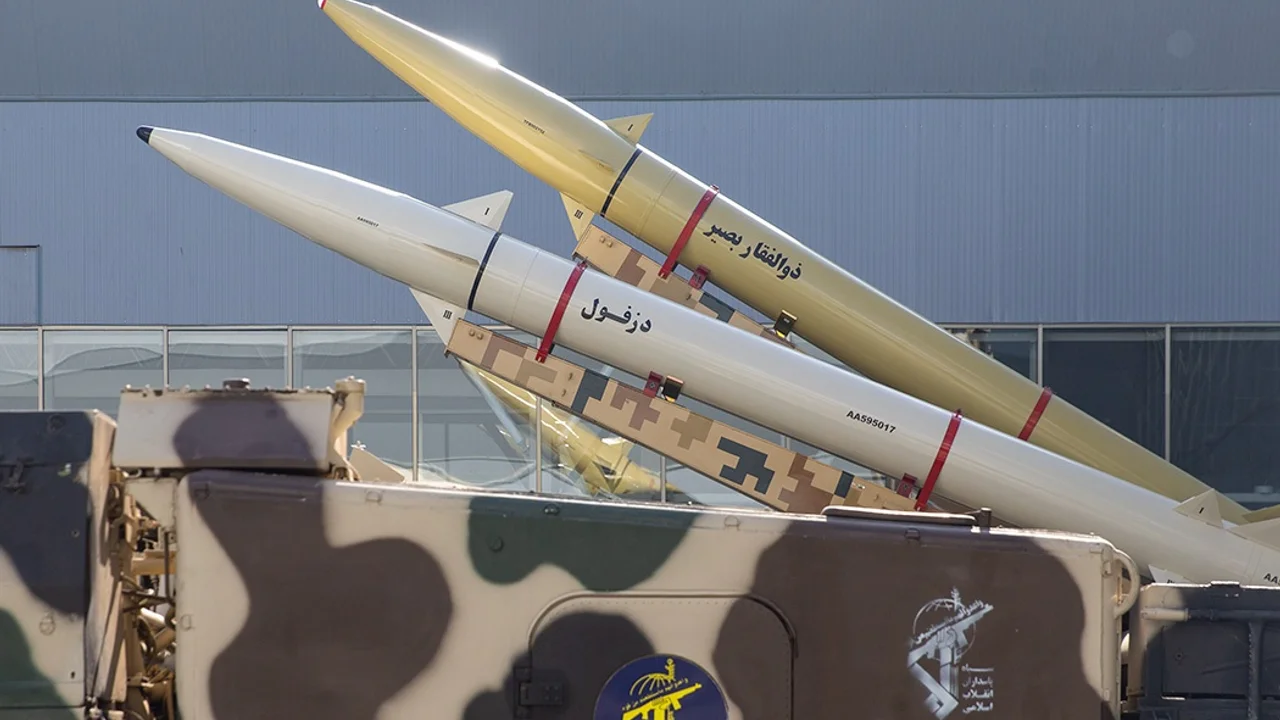
Despite these preventive sweeps, military officials acknowledge that several armed cells have already organized in the territory, some backed by Iran and Hezbollah. Concurrently, the continuous incursions, movement restrictions, checkpoints, and firing near agricultural zones have escalated tensions with local residents, some of whom have begun assisting armed factions preparing actions against Israeli forces.
Meanwhile, authorities in Damascus continue to demand an Israeli withdrawal and a return to the 1974 disengagement agreements that held until the fall of the regime under former President Bashar al-Assad in December 2024. The central challenge for Israel remains preserving operational freedom in southern Syria to neutralize hostile infrastructure without entrenching a protracted conflict.